When the Long Weekend Ends: Starting the Work Week Anchored in Psalm 20:7

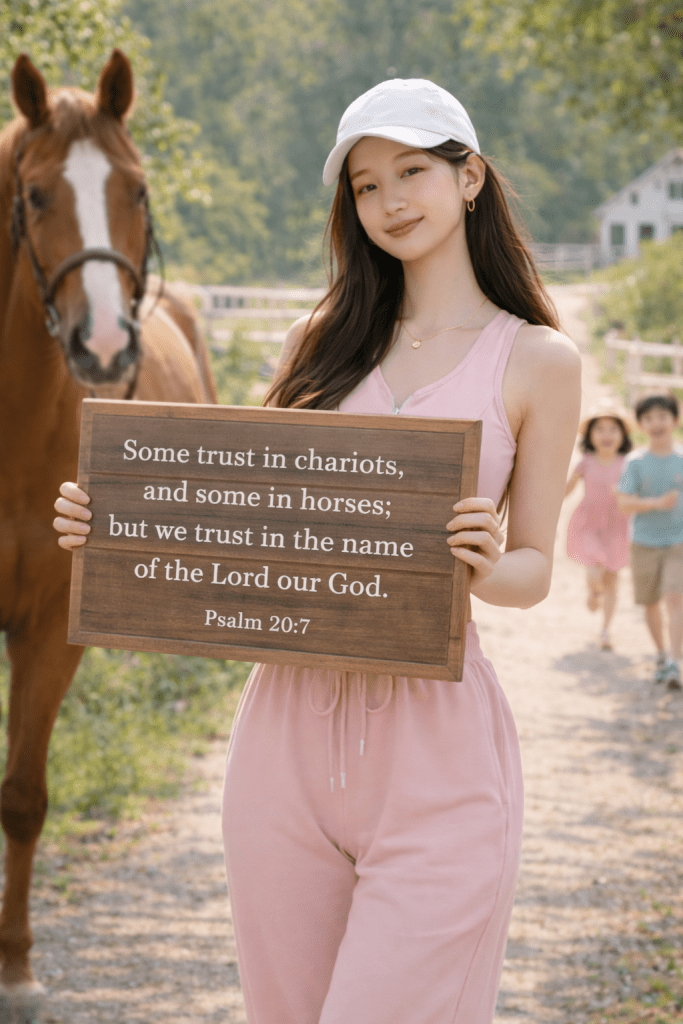
📖 “Some trust in chariots, and some in horses;
but we trust in the name of the Lord our God.” — Psalm 20:7

Three days of rest can reset the body. But the return to work — especially on a Thursday — can stir something else entirely. Emails waiting. Deadlines looming. Conversations unfinished. The quiet pressure to “catch up” as though rest must now be repaid.

Psalm 20:7 speaks directly into that tension.

In the ancient world, chariots and horses represented military power, speed, and visible strength. They were symbols of what could be counted, measured, and trusted. Today, our “chariots and horses” look different. They are productivity metrics, calendars packed with meetings, titles, performance reviews, and strategic plans.

They are the things we lean on to feel secure.

But the psalmist draws a sharp distinction:
Some trust in what they can control.
Some trust in what looks impressive.
But we trust in the name of the Lord our God.


Returning to Work Without Returning to Anxiety

After a 3-day holiday, it’s tempting to rush back in with urgency — to prove we are still capable, still relevant, still ahead. The modern workplace subtly teaches us that our worth is tied to output.

Yet Psalm 20:7 gently reorients us.

Trust is not found in our speed.
Not in how quickly we respond.
Not in how flawlessly we perform.

Trust is found in God’s character — His faithfulness, provision, and sovereignty.

When we begin the week anchored in Him, we no longer work from fear of falling behind. We work from steadiness.


The Hidden Idol of Competence

Chariots and horses were not inherently wrong. They were tools. The danger was misplaced trust.

Likewise, ambition, diligence, and excellence are good. But when our identity begins to depend on them, they quietly become idols.

Ask yourself this Thursday morning:

  • Am I trusting in my schedule or in God’s timing?
  • Am I relying on my competence alone, or inviting God into my decisions?
  • Is my peace dependent on outcomes, or rooted in Him?

To trust in the Lord does not mean abandoning responsibility. It means carrying responsibility without letting it carry you.

A Different Way to Enter Thursday

Instead of charging into the workday like a warhorse, what if we entered it grounded?

Before opening your inbox, pause.
Before responding to the first request, pray.
Before reacting to pressure, remember:

Your security is not in your performance.
Your value is not in your productivity.
Your future is not in your hands alone.

It is in the name of the Lord your God.


A Thursday Prayer

Lord,
As I step back into work after rest,
guard my heart from trusting in my own strength alone.
Let me work diligently, but not anxiously.
Let me pursue excellence, but not from fear.
Remind me that my stability is not in my chariots or horses,
but in You.
Anchor my thoughts, steady my pace, and guide my decisions.
Amen.


May this Thursday not feel like the end of rest, but the continuation of trust.

When Dreams Stage Your Inner Chaos: A Robot, a Former Student, and Lunar New Year

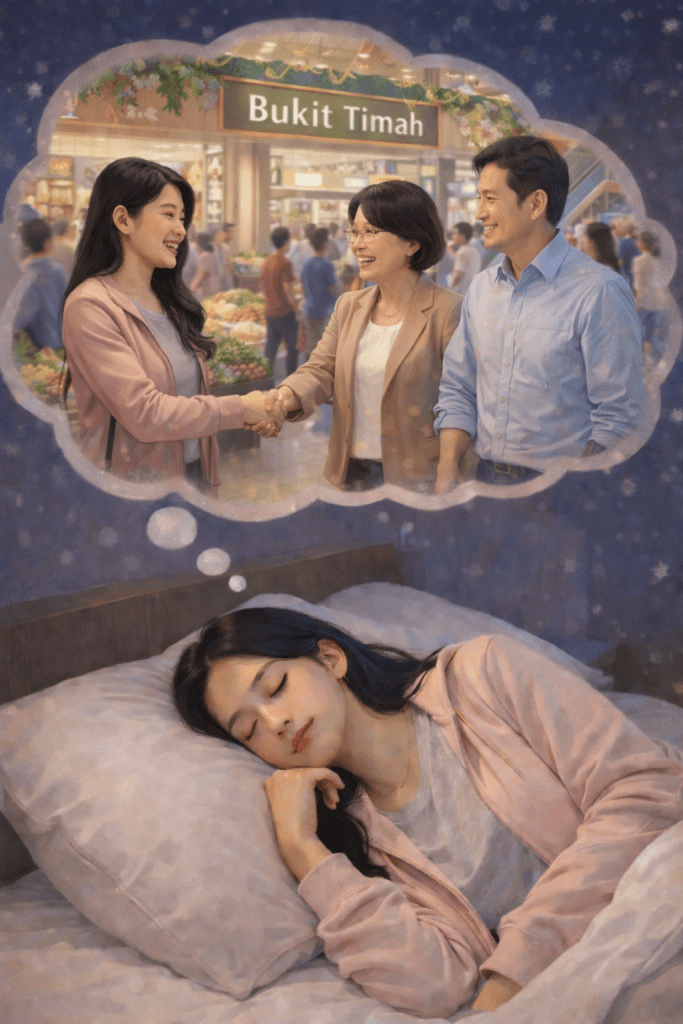
Dreams have a way of compressing time, emotion, and memory into something cinematic. Sometimes they feel like a blockbuster directed by Christopher Nolan — nonlinear, intense, and emotionally overwhelming. Recently, I had a dream that hit me this way, and I think it reveals something surprisingly deep about responsibility, change, and care.

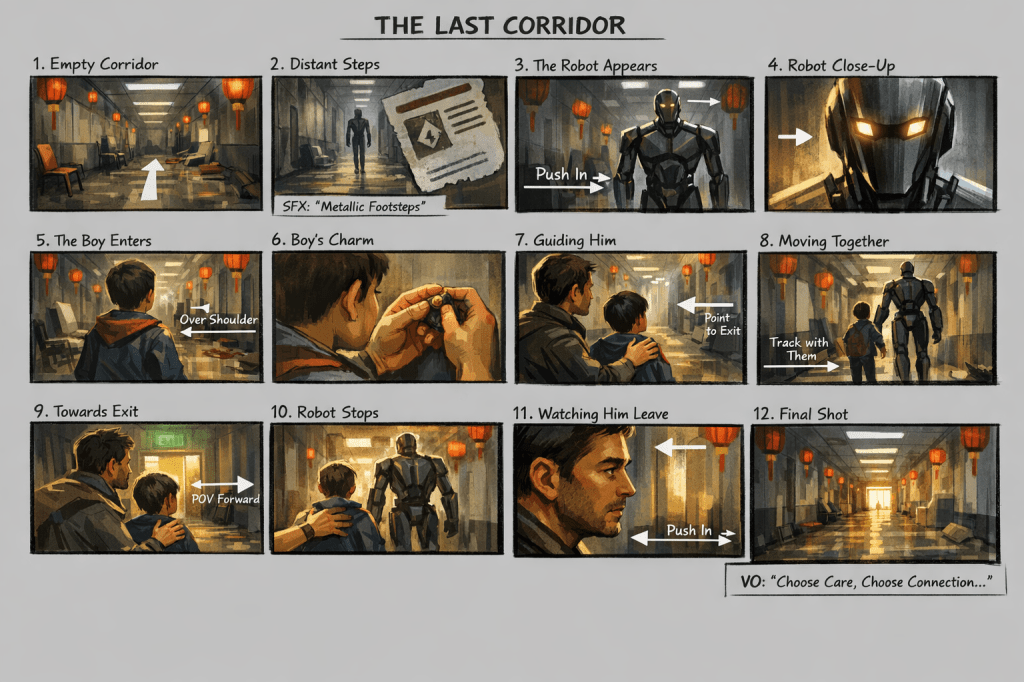
In this dream, I found myself in the place of my former learning centre. But it wasn’t just any day. The centre had become a high-risk medical facility, brimming with the weight of seriousness and danger. And there, among the chaos, was a 10-year-old former student — someone I had known and guided years ago.

Persuading the 10-Year-Old

One of the most vivid moments of the dream involved persuading this young boy to leave the high-risk centre and spend time with his family on the first day of Lunar New Year. Lunar New Year is symbolic — a day of renewal, connection, and family. In that moment, the dream distilled something powerful: the tension between responsibility and care, between duty and love.

The act of persuading him felt relieving. It wasn’t a simple escape from danger; it was a conscious choice to guide someone toward warmth and belonging. This small act, though in a dream, carried an emotional weight far beyond the literal scenario. It reflected my own inner desire to prioritize human connection over stress, to protect and nurture rather than control or contain.

The Robot Arrives

Just as relief settled in, the dream escalated. A big robot appeared, sweeping through the former centre with mechanical precision. It wasn’t out to harm anyone directly, but its presence was imposing — impersonal, unstoppable, inevitable. The robot represented something larger than me: a system, a force, or a chapter of life moving forward without regard for individual effort or emotion.

Here, the dream contrasted two kinds of energy:

  • Human agency: persuading the boy, making choices, caring.
  • Systemic inevitability: the robot, clearing the centre, moving with mechanical purpose.

If the robot felt inevitable in the dream, it symbolized acceptance — acknowledging that some changes in life are beyond control, and that chapters of our past, no matter how meaningful, are often swept away by forces larger than ourselves.

If it felt threatening, it reflected anxiety about loss of control, the fear that systems or institutions might override human care, effort, or intention.

What This Dream Is Really About

Looking beyond the cinematic imagery, the emotional core is clear:

  1. Responsibility: The dream highlights the pull of past roles and obligations, especially toward those we feel responsible for.
  2. Care vs Systems: The contrast between persuading the boy and the robot sweeping the centre mirrors the tension between human connection and impersonal institutions.
  3. Change and Acceptance: Lunar New Year symbolizes renewal, while the robot represents inevitability. Together, they suggest a need to reconcile letting go with caring for what truly matters.
  4. Emotional Processing: Dreams like this aren’t warnings or predictions. They’re simulations of stress, change, and decision-making — often processed in ways that feel dramatic or cinematic.

Why the 10-Year-Old Matters

The boy is central because he embodies vulnerability, potential, and care. He’s not just a former student; he’s a reflection of a younger part of ourselves or the people we feel protective over. Persuading him to step away from danger and reconnect with family isn’t about control — it’s about nurturing, guiding, and choosing connection over chaos.

This mirrors real life: sometimes, we must decide where our energy goes — between past obligations, current responsibilities, and the human connections that truly sustain us. And dreams give us a space to explore these choices without real-world consequences.

Takeaways from the Dream

  • Relief can come from acting in line with values, even amidst chaos.
  • Systems and life changes are inevitable; we can accept them without giving up agency.
  • Human care matters more than mechanical order — and choosing connection over obligation is valid.
  • Dreams are emotional maps, not literal instructions. The feelings they leave behind tell us more than the storyline itself.

In the end, this dream left me reflecting on what matters most: guiding, protecting, connecting, and sometimes letting go. And if a cinematic robot is part of that lesson? Well, that just makes the message unforgettable

🐎 Galloping with Purpose: Spiritual Reflections on the Year of the Horse

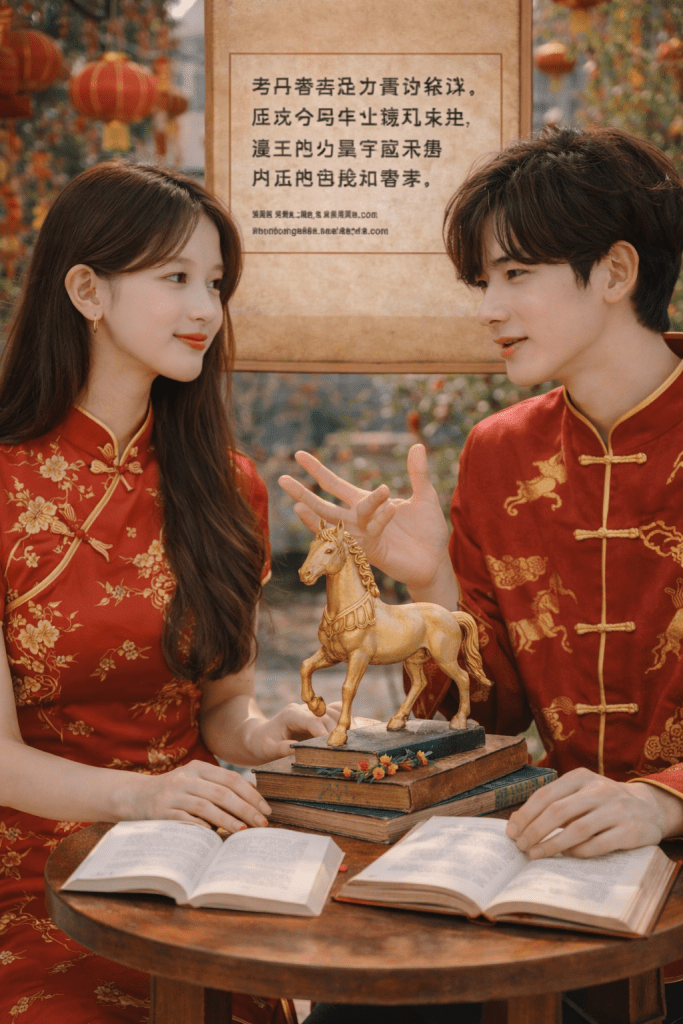
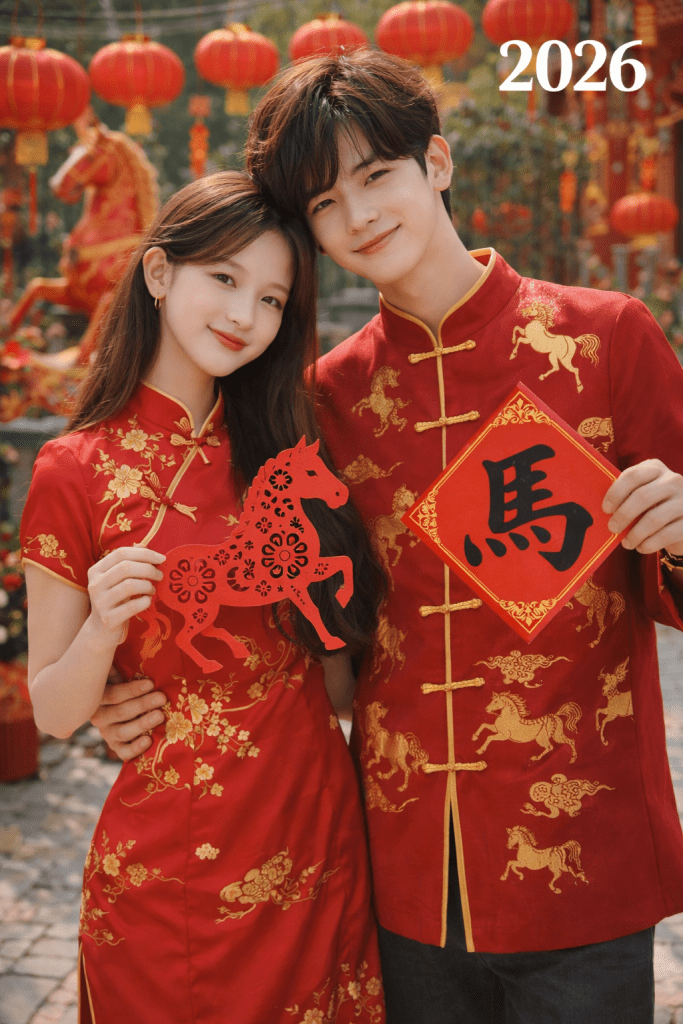
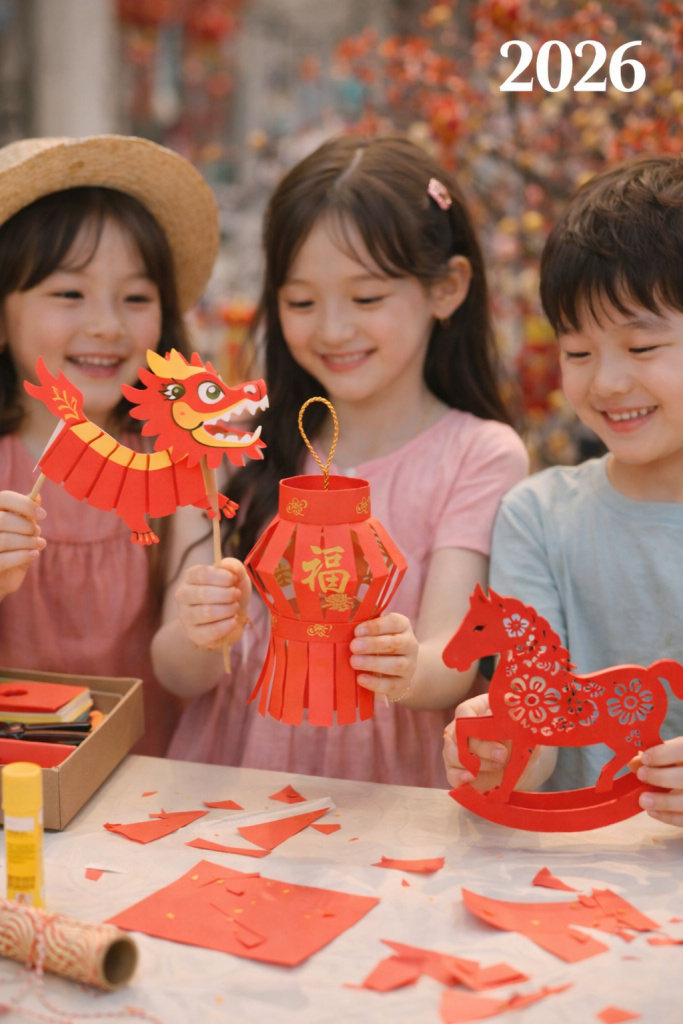
The Year of the Horse in the Chinese zodiac symbolizes freedom, movement, and vitality. It embodies strength and grace, independence and discipline, inviting us to reflect on both our outer journey and inner spiritual life.

💬 “The horse gallops, but only with guidance does its power become purposeful.” — Reflective proverb


🔥 The Horse as a Symbol of Spiritual Aspiration

The horse’s stride mirrors the human longing for transcendence and self-realization. Philosophically, it echoes the idea of moral striving: the effort to align our actions with principles higher than mere desire.

Spiritually, our ambitions — work, relationships, accomplishments — are inseparable from inner cultivation: patience, discernment, and ethical integrity.

In the Fire Horse year, energy is intensified. Fire represents passion, illumination, and transformation, prompting the question:

“Where should I direct my energy so that it nurtures virtue and serves others?”


🏇 Freedom and Discipline: The Paradox of Control

The horse embodies freedom, yet its power shines brightest when guided. True freedom, spiritually, is not license, but alignment with truth.

📖 “For freedom Christ has set us free; stand firm therefore, and do not submit again to a yoke of slavery.” — Galatians 5:1

Just as a horse runs best with guidance, our ambitions and energies flourish when oriented toward God’s will and higher purpose.


💪 Courage, Resilience, and the Gallop of the Soul

The horse symbolizes courage and resilience, carrying us through discomfort, uncertainty, and risk. Life, like philosophy, often confronts us with the unknown.

The horse teaches that bold movement need not be reckless — action should be deliberate, conscious, and morally grounded.

Ask yourself:

“Am I galloping toward what truly matters, or running in circles of fleeting desire and distraction?”


🐴 The Horse: Power, Fearlessness, and Divine Design

The horse is portrayed as powerful, fearless, and unmoved by chaos. This is no accidental creature. Its very nature embodies the spiritual truth that strength and courage are not born from comfort but from endurance and purpose.

Spiritually, the horse invites us to reflect:

“Are we cultivating inner strength that remains unmoved in the face of life’s storms?”

Fearlessness is not the absence of risk or hardship; it is the presence of faith, wisdom, and moral grounding. Just as the horse channels its energy without succumbing to chaos, so too are we called to navigate uncertainty with courage anchored in God’s guidance.

💬 “The horse does not stumble in the storm; neither shall we, when our steps are guided by faith.”

This imagery is beautifully captured in Scripture:

📖 “Some trust in chariots, and some in horses; but we trust in the name of the Lord our God.” — Psalm 20:7

While the horse embodies strength, speed, and resilience, our ultimate security is not in our abilities or the tools at our disposal, but in the Lord Himself. The Fire Horse reminds us to act boldly and with courage, but our faith and trust remain in God, the One who directs every stride of our journey.

🏵 Galloping Toward Wisdom

The Year of the Horse offers a dual lesson: energy paired with reflection, action paired with discernment. It encourages:

  • Movement without losing orientation
  • Ambition without losing grounding
  • Passion without losing wisdom

Spiritually, the horse is more than a symbol of vigor — it is a mirror of the soul, reflecting potential, responsibility, and purpose.

💬 “May we gallop with purpose, act with wisdom, and ride boldly in alignment with the divine path.”

As the Fire Horse year unfolds, may we channel our vitality toward growth, courage, and meaningful service, letting our actions be guided by discernment and our freedom flourish within the framework of faith.


Nine Lunar New Year Greetings — And the Deeper Blessings They Carry

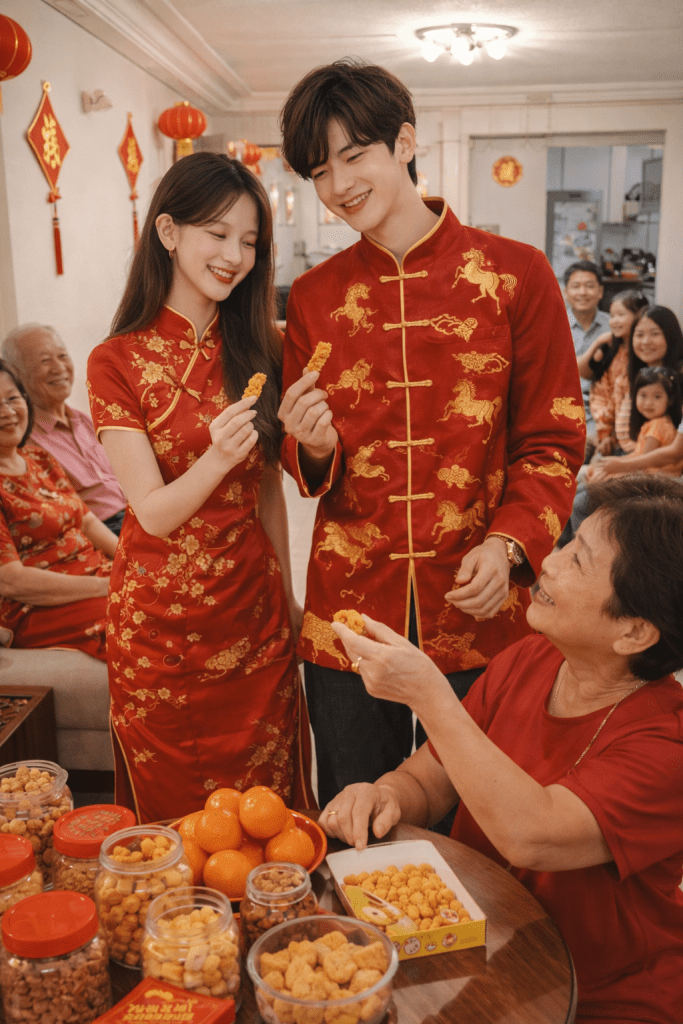
Lunar New Year greetings are often spoken quickly, exchanged with a smile, tucked into red envelopes, or typed into group chats between firework videos and reunion dinner photos. But each phrase carries layers of history, cultural memory, and hope. These aren’t just polite sayings. They are compressed prayers — blessings shaped by centuries of longing for stability, prosperity, family harmony, and personal strength.

Here’s a closer look at the nine greetings and the deeper meaning behind each one.

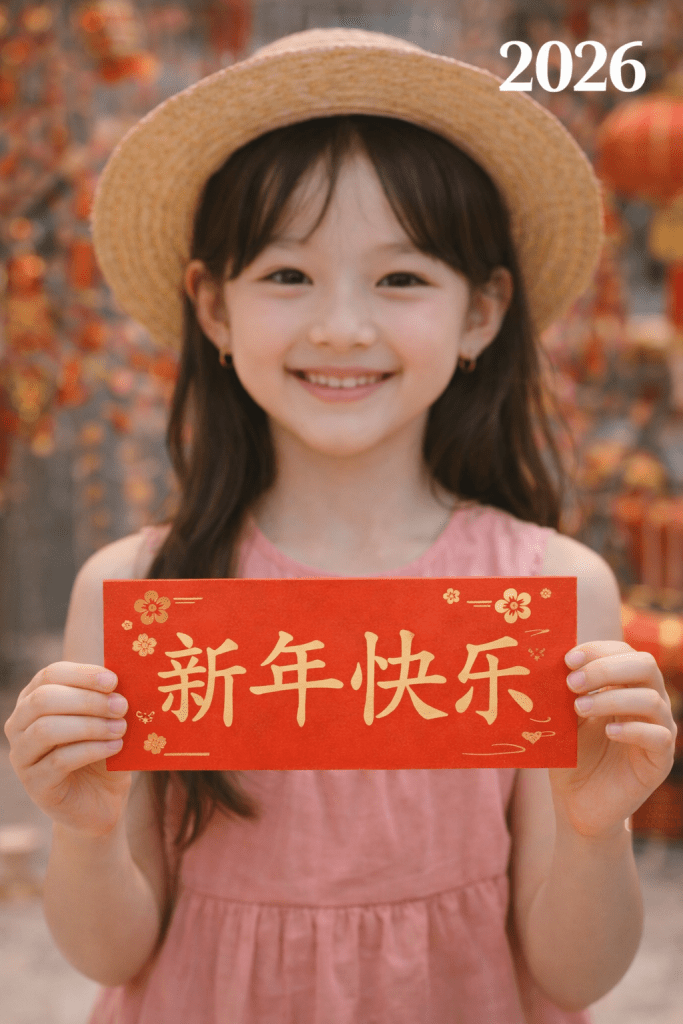
1. 新年快乐 — “Happy New Year”

This is the most universal greeting. Simple. Direct. Joyful.

But even this straightforward phrase carries weight. “新” (new) implies renewal — not just another calendar flip, but a resetting of spirit. Lunar New Year has always symbolized cleansing the old and welcoming the new: debts repaid, grudges released, homes swept clean. Happiness here isn’t shallow excitement. It’s a hope that the coming year will feel lighter than the one before it.

In many ways, 新年快乐 is less about celebration and more about possibility.

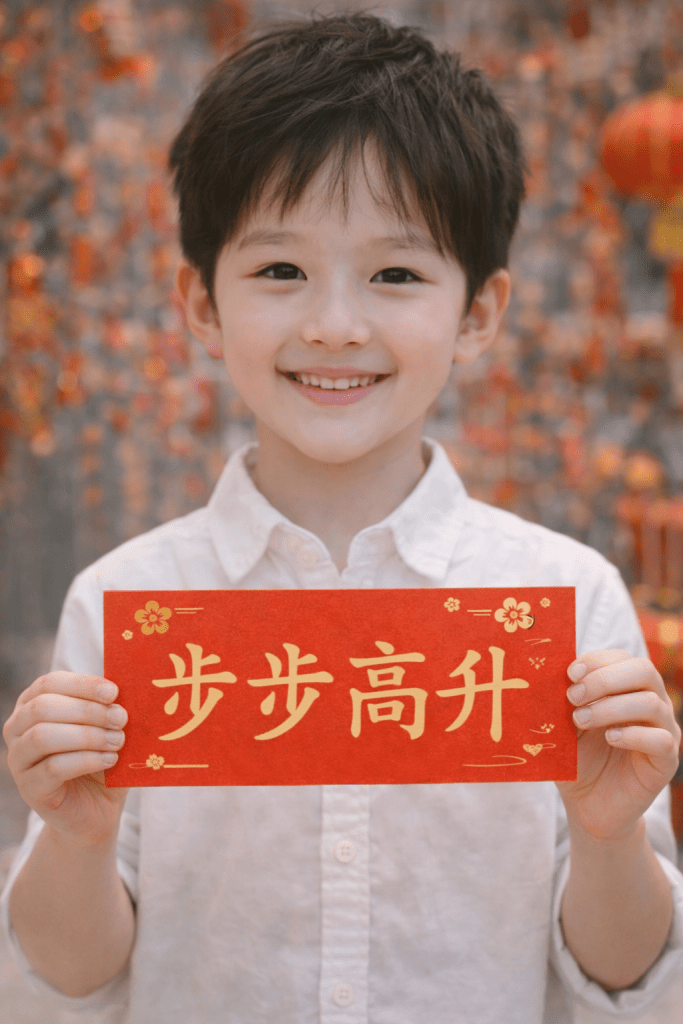
2. 步步高升 — “Rise Higher With Every Step”

Literally translated, this means “step by step, rise higher.” Traditionally, it speaks to career advancement and social mobility. In agrarian societies and later in bureaucratic systems, upward movement meant survival, security, and honor for one’s family.

But beyond promotions and titles, 步步高升 speaks to steady progress. Not leaps. Not shortcuts. Steps. It acknowledges that growth is incremental. The blessing here is not sudden wealth — it is sustained elevation.

It is a wish that your effort compounds.


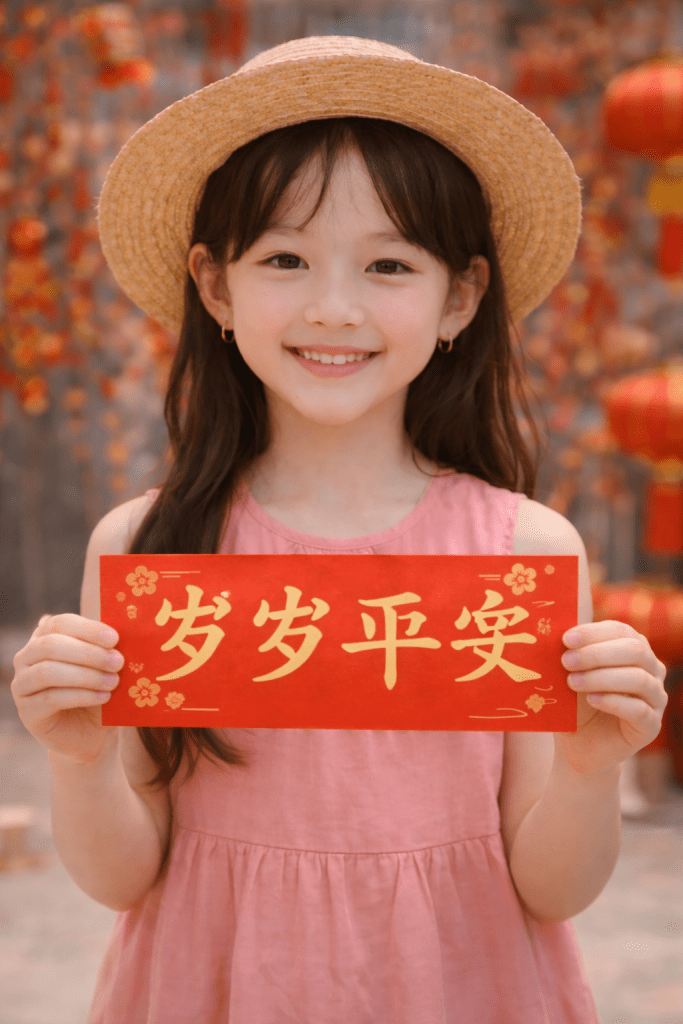
3. 岁岁平安 — “Peace Year After Year”

“岁岁” means “every year,” and “平安” means peace and safety. In ancient times, when famine, war, and illness were real threats, this greeting was profoundly practical. Peace wasn’t abstract; it meant survival.

Today, its meaning has deepened rather than diminished. Peace now includes emotional steadiness, health, relational harmony, and freedom from chaos. It is a quiet blessing — not flashy, not loud — but foundational.

Without peace, none of the other blessings can be enjoyed.


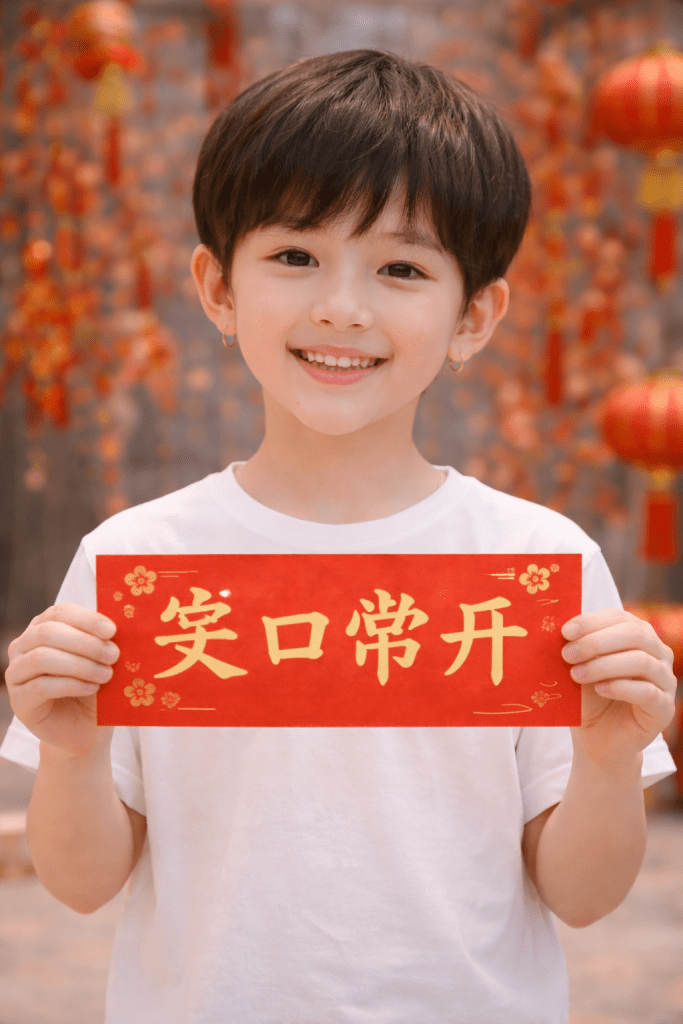
4. 笑口常开 — “May Your Smile Always Be Open”

This phrase paints a vivid image: a mouth always open in laughter.

In Chinese culture, joy is often communal. Smiling isn’t only about personal happiness; it reflects relational harmony and emotional resilience. To wish someone 笑口常开 is to wish them a life not crushed by bitterness.

It recognizes that life will not be free from hardship — but it hopes that your spirit remains unclosed.


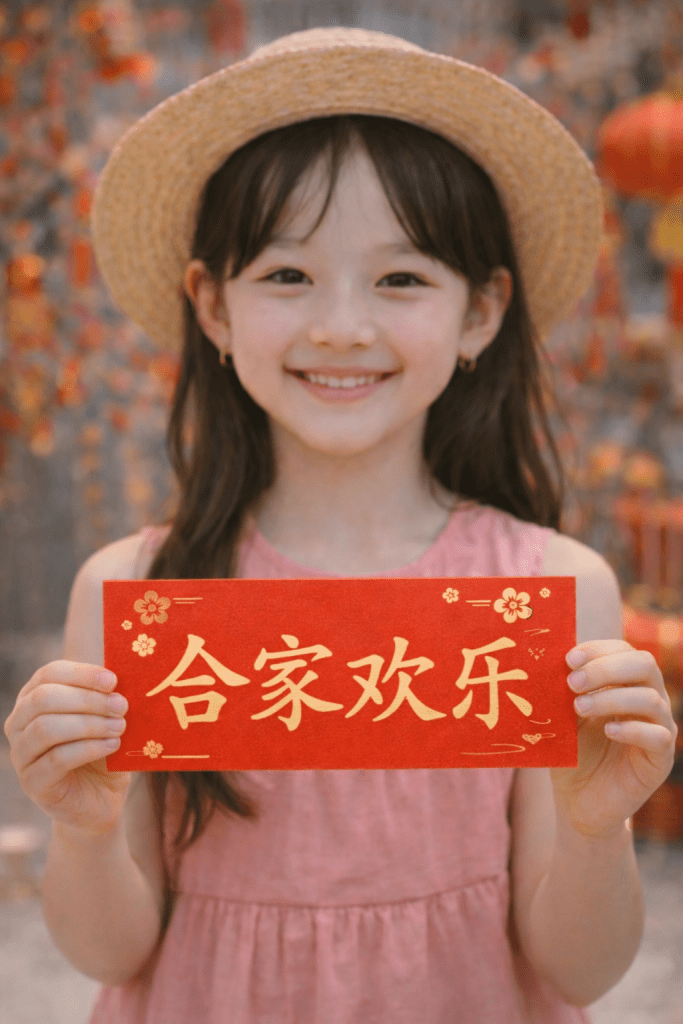
5. 合家欢乐 — “Joy for the Entire Family”

This greeting centers the collective. “合家” means the whole family; “欢乐” means joy.

Lunar New Year is built around reunion (团圆). The home becomes sacred space. Meals stretch for hours. Elders are honored. Children are blessed. In this context, success is incomplete if it is individual.

合家欢乐 reminds us that prosperity without harmony feels hollow. It’s a blessing that no one is missing from the table.


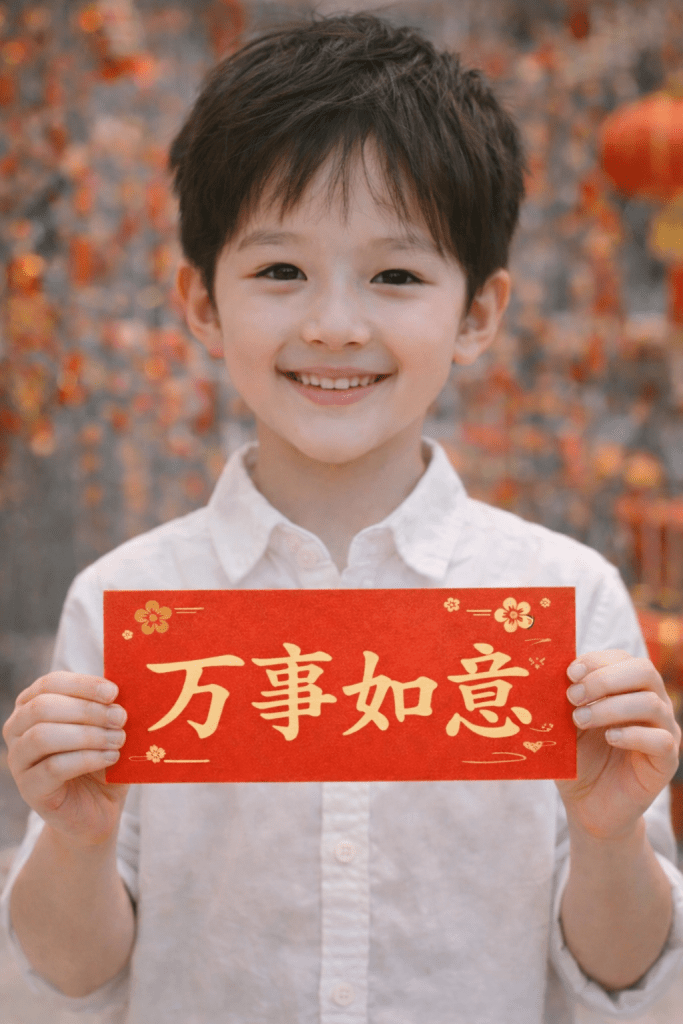
6. 万事如意 — “May Ten Thousand Things Go As You Wish”

“万” literally means ten thousand, but culturally it symbolizes abundance or “everything.” This phrase expresses comprehensive hope — that all matters, large and small, unfold according to your heart’s desire.

Yet embedded in this wish is humility. Life rarely bends entirely to our will. So this greeting functions almost as a counterbalance to unpredictability. It dares to speak abundance in the face of uncertainty.

It is bold optimism.


7. 马到成功 — “Success Upon Arrival”

Originally rooted in military imagery — victory the moment the horse arrives on the battlefield — this phrase evolved into a broader wish for swift success.

Unlike 步步高升, which emphasizes gradual ascent, 马到成功 speaks to decisive breakthroughs. It is the blessing for exam takers, entrepreneurs, job seekers — anyone standing at the threshold of a critical moment.

It acknowledges preparation, but it blesses the breakthrough.


8. 一马当先 — “To Take the Lead”

Literally “one horse at the front,” this phrase honors initiative and courage. In battle, the lead rider sets the pace and direction. In life, being first requires risk.

This greeting is often given to ambitious individuals — those starting ventures, pursuing new paths, or stepping into leadership. It celebrates boldness, not just achievement.

It says: may you have the courage to go first.


9. 龙马精神 — “The Spirit of the Dragon and Horse”

Perhaps the most poetic of the nine, this phrase combines two powerful symbols. The dragon represents strength, authority, and auspicious power. The horse symbolizes endurance, movement, and vitality.

Together, 龙马精神 blesses someone with energetic resilience — strength that is not just explosive, but sustained. It’s often spoken to elders or professionals as a wish for health and enduring vigor.

In a deeper sense, it honors inner stamina — the kind that carries a person through seasons of challenge without losing momentum.


What These Greetings Reveal About Us

Taken together, these nine phrases map out a worldview.

They value progress, but also peace.
They celebrate ambition, but root it in family.
They hope for success, but prize resilience.
They desire abundance, yet understand uncertainty.

Lunar New Year greetings are not random well-wishes. They are distilled cultural theology — statements about what makes a life meaningful.

As we exchange these words this year, perhaps we can pause and receive them more intentionally. Not as clichés. Not as autopilot blessings.

But as layered hopes spoken over a year still unfolding.

新年快乐.
May your steps rise steadily.
May peace guard your days.
May your smile remain open.
May your family know joy.
May what you pursue align with purpose.
May your breakthroughs be timely.
May you have courage to lead.
And may your spirit remain strong — like the dragon and the horse — long after the lanterns dim.

From Mount Sinai to the Promised Land: A Lunar New Year Reunion

Lunar New Year has always felt like more than fireworks and red envelopes to me. It’s about renewal. Crossing over. Leaving behind what shaped you and stepping into what’s next — even when you’re not completely sure what “next” looks like yet.

This year, something unexpected happened.

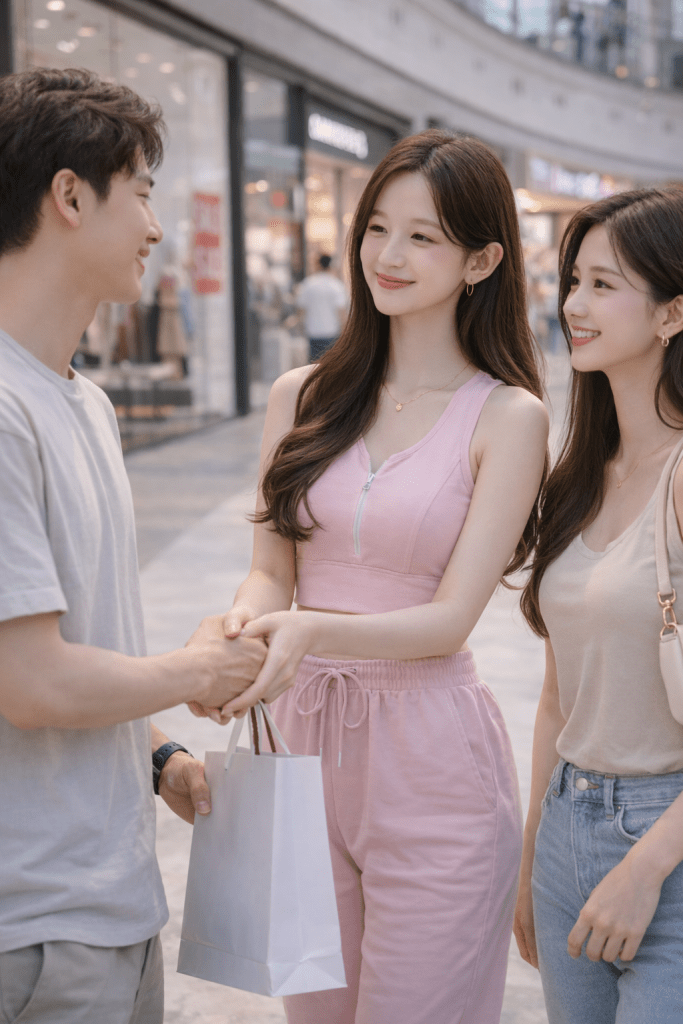
On a random Sunday afternoon, in the middle of a crowded shopping mall glowing with red lanterns and paper-cut blessings taped onto store windows, I ran into some of my former clients from Mount Sinai.

I had already transitioned out — stepped into what I like to call my “promised land.” Not perfect. Not finished. Just… new. A new chapter. New responsibilities. New growth. The kind of season that stretches you and humbles you at the same time.

And then there they were.

At first, it was that split-second pause of recognition. The kind where your brain is flipping through memories before your heart catches up. Then smiles. Then laughter. Then the warmth.

We stood there in the middle of the mall — between a bakery selling pineapple buns and a pop-up stand with gold-foil decorations . There was pride in their eyes. And, if I’m honest, gratitude in mine.

Not long after, I had a dream about business development in a shopping mall — about expansion, partnerships, and new territory. Standing there that Sunday, I suddenly remembered that when I was still in Mount Sinai, there had once been a business prospect. At the time, it hadn’t materialized. It felt like a door that quietly closed. But being back in that space, during a season of transition and renewal, made me wonder whether some seeds simply take longer to germinate. Maybe what wasn’t ready then is aligning now. Maybe the wilderness wasn’t a detour — it was preparation.

Mount Sinai was my wilderness season. It refined me. It tested me. It taught me patience, endurance, and compassion. It wasn’t always easy. Growth rarely is.

But seeing them again felt like a full-circle moment. A reminder that even when we move on, the relationships we build don’t just disappear. They become part of the foundation we carry forward.

Lunar New Year is about reunion — 团圆 — gathering again after distance. It’s about honoring where you’ve been while blessing where you’re going. That mall, noisy and crowded as it was, became sacred ground for a few minutes. Not because of tradition alone, but because of shared history.

Leaving Mount Sinai didn’t erase it. It prepared me.

And maybe that’s what the “promised land” really is — not a place where everything is easy, but a place where you finally understand why the wilderness mattered. I felt something settle in my heart. Not nostalgia. Not regret.

Just peace.

This year, I’m stepping forward grateful for every mountain that shaped me — and every reunion that reminds me how far we’ve come.

Happy Lunar New Year. May your crossings be meaningful, and may your reunions be sweet.

This reunion also stirred something deeper in me — a renewed desire to write more intentionally about faith this year. If Mount Sinai was my wilderness, then perhaps this season is my calling to testify about it. I want my WordPress blog to reflect more of the spiritual lessons woven through these ordinary moments — the crossings, the waiting, the refining, and the quiet faith it takes to keep walking. There is so much sacredness hidden in everyday transitions, and I feel led to explore that more openly: to write about the mountains and the manna, the doubt and the deliverance, and the quiet ways God prepares us long before we recognize the promise ahead.

Valentine’s Day Isn’t Just About Roses

Every year when February 14th comes around, it feels like the world turns pink overnight. Heart-shaped candy. Flower deliveries. Couples posting soft, filtered photos with captions about “forever.” And if you’re not in a relationship, it can feel like you’re watching a party you weren’t invited to.

But here’s something I’ve been thinking about lately:

Valentine’s Day isn’t really about grand gestures. It’s about love in its quiet forms.

It’s about feeling safe with someone.
It’s about the kind of connection where you can breathe.
It’s about being seen — not just admired, but understood.

Romantic love gets the spotlight, but there are so many other kinds that matter just as much. The friend who listens to your late-night thoughts. The family member who checks in even when you don’t ask. The person who makes you laugh when you’re stressed. Even the way you learn to care for yourself — that counts too.

And if you are thinking about romance this Valentine’s Day, maybe the real question isn’t “Do I have someone?” but “What kind of love do I want?”

Do you want chaos and butterflies that make your stomach flip?
Or do you want calm and steady — the kind of love that feels like safety?

There’s nothing wrong with wanting romance. It’s human. But the best kind of love isn’t loud. It’s consistent. It shows up. It stays gentle.

So this Valentine’s Day, maybe we shift the focus. Instead of comparing, instead of feeling pressure, maybe we just honor love in all its forms — including the love we’re still growing into.

Because the right kind of love — the healthy kind — won’t make you feel anxious or small.

It will make you feel safe.

And that’s worth waiting for.

A Dream from Mount Sinai: When Provision Turned

Last year, when I would describe my life as being in “Mount Sinai,” everything felt intense.

Sinai is not the Promised Land. It’s the place of instruction. Refining. Structure. Sometimes isolation. It’s where you learn obedience in uncomfortable conditions. Where you don’t always feel settled — but you are being shaped.

Around that same time, I had a dream that stayed with me.

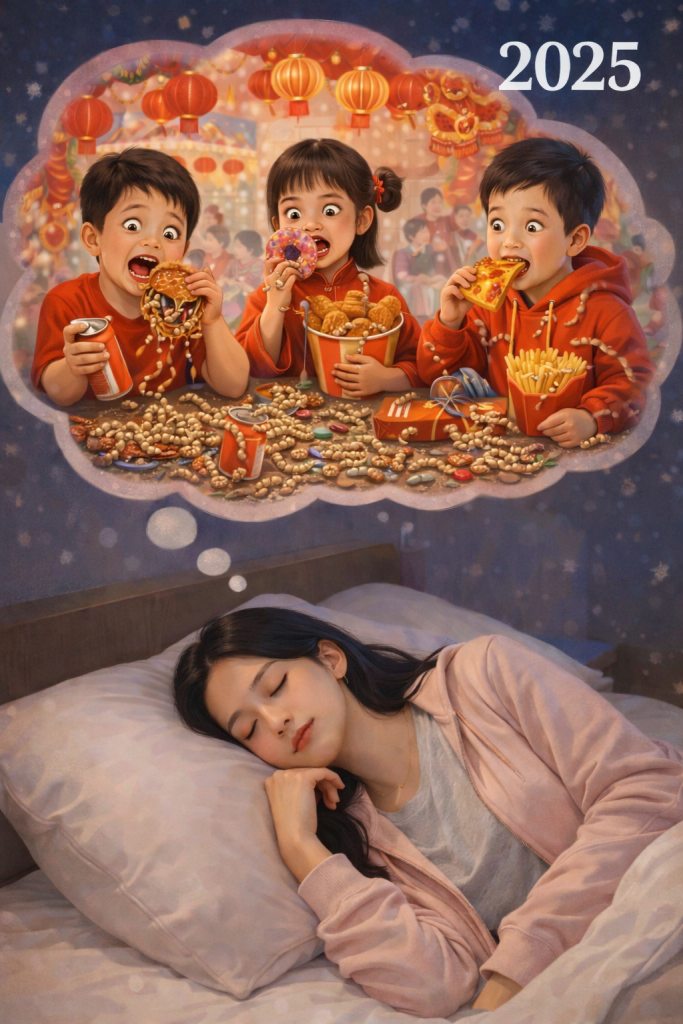
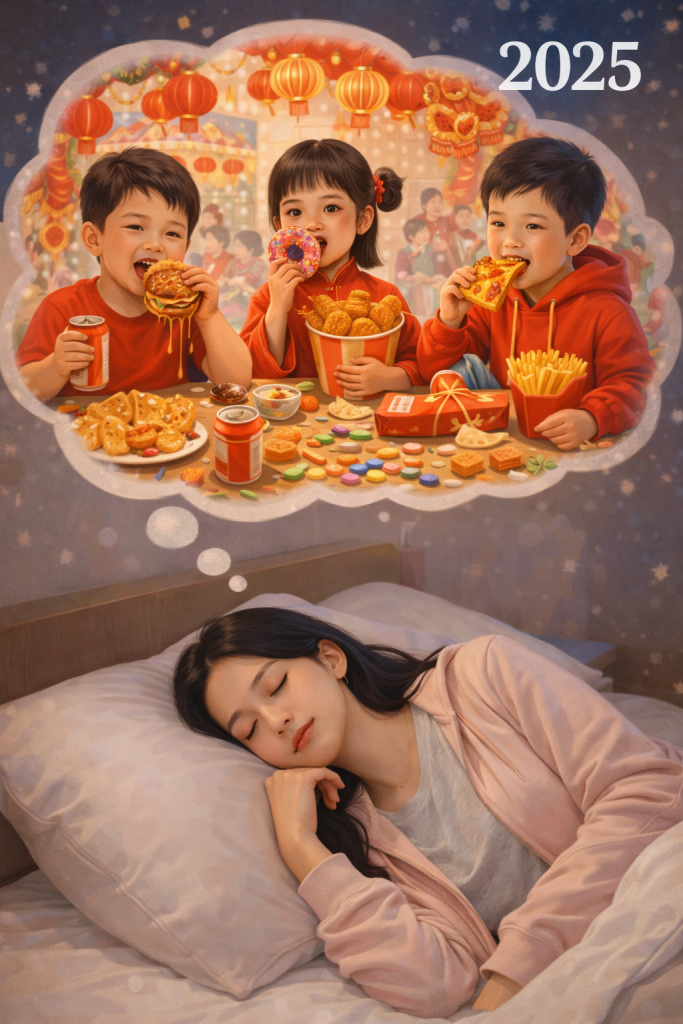
I saw children eating food. And then, suddenly, the food turned into maggots.

It was disturbing. Not graphic, just deeply unsettling. Something that was meant to nourish became corrupted. Something that looked like provision transformed into decay.

And this dream came around the time of my red eyes emergency — a physical moment that forced me to slow down, pay attention, and take care of myself.

Looking back, I see the connections more clearly.

When Provision Feels Unsafe

In the wilderness narrative of the Israelites, there’s a moment when manna — God’s daily provision — would spoil if they tried to keep more than they were instructed to. It would rot overnight.

That imagery echoed in my dream.

Food turning into maggots can symbolize:
Provision mishandled.
Something consumed too quickly.
Something taken beyond its proper time.
Or nourishment that was no longer meant for that season.

During that Sinai period, I was working hard. Learning. Enduring. Possibly stretching myself beyond healthy limits.

Sometimes in intense seasons, we try to consume whatever is available — approval, responsibility, opportunities — without asking whether it’s still healthy for us.

Children as Vulnerability

The presence of children in the dream felt important. Children represent innocence, vulnerability, early stages of growth.

It made me wonder whether some part of me felt unprotected. Or perhaps there were immature systems around me — environments not yet ready to sustain what they were feeding.

Children eating spoiled food is symbolic of vulnerability meeting something unstable.

And around that same time, my body signaled distress through the red eyes emergency. A visible sign that something needed attention.

Sinai Was a Testing Ground

Mount Sinai seasons are refining seasons. They expose weaknesses. They stretch endurance. They confront you with boundaries — physical, emotional, spiritual.

The dream may not have been literal. It may have been my subconscious processing strain.

Sometimes when we are under pressure, our minds express stress symbolically:
Food becomes unsafe.
Rest becomes scarce.
Vision (literally, in my case) becomes irritated.

My red eyes emergency might have been my body saying:
Slow down.
Protect yourself.
Be mindful of what you are taking in.

Not Every Dream Is Doom

It’s important not to dramatize symbols unnecessarily.

A dream like that doesn’t automatically mean disaster. It can simply be the mind’s way of highlighting imbalance.

Sinai seasons are intense. And intensity can distort how we experience nourishment, responsibility, even community.

Maybe the dream was asking:
What are you consuming?
Is it still healthy?
Are you taking more than you should?
Are you resting enough to protect your sight — your perspective?

Crossing Over Changes the Atmosphere

Now, in the Promised Land season, the imagery feels distant.

Sinai tested me.
Sinai stretched me.
Sinai revealed limits.

But it also prepared me.

That unsettling dream was part of the refining. It forced awareness. It highlighted vulnerability. It may have even protected me from continuing in a way that would have harmed me further.

Not every uncomfortable dream is negative. Some are protective signals.

Looking back, I don’t see fear. I see formation.

Sinai was not meant to be permanent. It was meant to prepare.

And sometimes even disturbing dreams are part of that preparation — waking us up before something worse does.

Moving Forward: Breaking Tent and Stepping Into 2026

Looking back, that dream in Mount Sinai was more than just a strange image — it was a signal. A reminder that some seasons, no matter how familiar, are not meant to last forever. The discomfort, the vigilance, the moments of strain — they were all preparing me for what was next.

In 2026, I realized it was time to break tent. To leave behind the intensity and boundaries of Mount Sinai and step fully into the Promised Land. It wasn’t just a physical move or a change in routine. It was a spiritual and emotional crossing. I had to let go of what was no longer meant to sustain me — the old structures, the old pressures, even the old patterns of thinking — and trust that God’s provision in the new season would be sufficient.

Breaking tent meant leaving behind what was comfortable, even if it was familiar, and embracing a land flowing with promise. It meant carrying the lessons of Sinai but not being anchored by its limitations. And as I stepped forward, I could feel a shift: rest where there had been strain, clarity where there had been uncertainty, and provision that truly nourished — this time without decay.

Mount Sinai taught me vigilance, patience, and discernment. But the Promised Land is teaching me trust, presence, and freedom. In 2026, the move wasn’t just about arriving — it was about stepping forward into all that God is able to do, far beyond what I could have imagined.

Ending the Work Week in the Promised Land — and Feeling Weary

It’s the end of the work week in what I’ve been calling my “Promised Land” season.

On paper, this is where I prayed to be. This is the answered place. The crossed-over territory. The new chapter.

And yet… there’s a quiet weariness.

Not regret. Not disappointment. Just a deep, subtle tiredness that seems to have followed the transition from Mount Sinai to the Promised Land.

And I’ve been asking myself why.

Mount Sinai Was Intense — But Clear

Mount Sinai represents structure. Instruction. Boundaries. It’s where laws were given. Expectations were defined. The atmosphere was serious, focused, almost guarded.

In that season, you know exactly what’s required. The lines are drawn. The roles are clear. There’s security in clarity — even if it’s demanding.

Sometimes Sinai feels exhausting.
But sometimes it’s also predictable.

The Promised Land Is Freedom — and Responsibility

Crossing into the Promised Land sounds triumphant. Flowing with milk and honey. Spacious. Abundant.

But it’s also unfamiliar.

Now you’re not just receiving instructions — you’re making decisions.
You’re not just following structure — you’re stewarding territory.
You’re not standing at the mountain — you’re building within the land.

That shift carries weight.

Transition Itself Is Tiring

Even positive change costs energy.

Crossing over requires:
Mental adjustment
Emotional recalibration
Spiritual reorientation
Practical adaptation

Your body and mind are processing:
“This is new.”
“I have to operate differently now.”
“The expectations aren’t the same.”

That internal recalibration can produce weariness — even when you’re grateful.

It’s not that the Promised Land is harder.
It’s that it’s different.

And difference takes energy.

Photo by Pixabay on Pexels.com

You’re No Longer Surviving — You’re Sustaining

At Sinai, there’s often urgency. Survival mode. Obedience under pressure.

In the Promised Land, the work becomes long-term. Sustainable. Ongoing.

And sustainability requires endurance, not adrenaline.

Adrenaline carries you through transition.
Endurance carries you through establishment.

Sometimes weariness shows up when adrenaline fades.

The Weight of Stewardship

Another reason for weariness may be this: ownership feels heavier than instruction.

At Sinai, you’re told what to do.
In the Promised Land, you’re entrusted with what to build.

Stewardship carries responsibility. It asks you to think long-term. To consider many factors. To move carefully.

That kind of thinking can quietly drain you — not because it’s wrong, but because it’s mature.

Photo by Kelly on Pexels.com

Weariness Doesn’t Mean You Miss Sinai

It’s important to say this clearly:

Feeling tired does not mean you want to go back.

It doesn’t mean you made the wrong move.
It doesn’t mean the Promised Land isn’t right.
It doesn’t mean something is wrong with you.

It means you crossed something significant.

And crossings take strength.

Ending the Week Honestly

As this work week closes, maybe the weariness is simply evidence of transition.

You moved.
You adjusted.
You carried new responsibility.
You navigated unfamiliar ground.

That’s real effort.

The Promised Land isn’t just about arrival. It’s about establishment. And establishment takes time.

So maybe the question isn’t, “Why am I weary?”
Maybe it’s, “How can I rest well inside the promise?”

Because even in the land flowing with milk and honey, rest is still necessary.

And sometimes the most faithful thing you can do at the end of the week in the Promised Land… is exhale.

New Clothes, New Season: A Chinese New Year Reset

After weeks of working steadily in this “Promised Land” season — building, adjusting, staying faithful — I found myself doing something simple but meaningful: buying new clothing around Chinese New Year.

And not just buying — buying during a $70 discount sale.

Now, let’s be honest. There’s something satisfying about a good discount. It feels wise. Strategic. Timely. But this felt like more than a bargain moment. It felt symbolic.

Chinese New Year and Fresh Starts

Chinese New Year has always carried the theme of renewal. Clearing out the old. Making room for the new. Wearing fresh clothes to mark a fresh beginning.

It’s not just tradition — it’s psychological. What you wear affects how you feel. New clothing signals transition. It says, I’m stepping into something different.

After settling into this new season of work and responsibility, buying new clothes felt like aligning outwardly with what’s happening inwardly.

Growth deserves acknowledgment.

The Timing Matters

The $70 discount almost felt intentional — like provision meeting desire at the right time.

Not reckless spending.
Not impulse.
But opportunity.

Sometimes God’s blessings aren’t dramatic miracles. Sometimes they look like good timing. Favorable conditions. The right thing becoming accessible when you’re ready.

It reminded me that stepping into a new season doesn’t mean you can’t enjoy it.

Dressing for the Season You’re In

There’s something powerful about dressing according to where you’re going, not where you’ve been.

In past seasons, maybe practicality was survival. Maybe clothing was just about function. But now, there’s room for expression. Confidence. Celebration.

Buying something new wasn’t about vanity. It was about acknowledgment:

I’m not in the former place anymore.
I’m not carrying the old atmosphere.
I’m embracing this chapter fully.

New clothes can be a quiet declaration: I’ve crossed over.

Enjoying Without Guilt

Sometimes when you’ve worked hard to reach a new place, you feel pressure to stay serious. To focus only on productivity. To justify every expense.

But celebration is part of sustainability.

Chinese New Year reminds us that joy isn’t an interruption — it’s a rhythm. You prepare. You work. And you celebrate.

The discount sale made it even sweeter. Stewardship and enjoyment meeting in one moment.

A Season of Alignment

The desk reset.
The steady work.
The dream of holiday rest.
And now new clothing for the new year.

It all feels aligned.

Not rushed. Not forced. Just unfolding.

This season isn’t just about responsibility — it’s about living fully within it. Dressing well. Working faithfully. Resting intentionally. Celebrating wisely.

Sometimes stepping into promise looks like big breakthroughs.

And sometimes it looks like walking out of a store, smiling quietly because you know — this season fits.

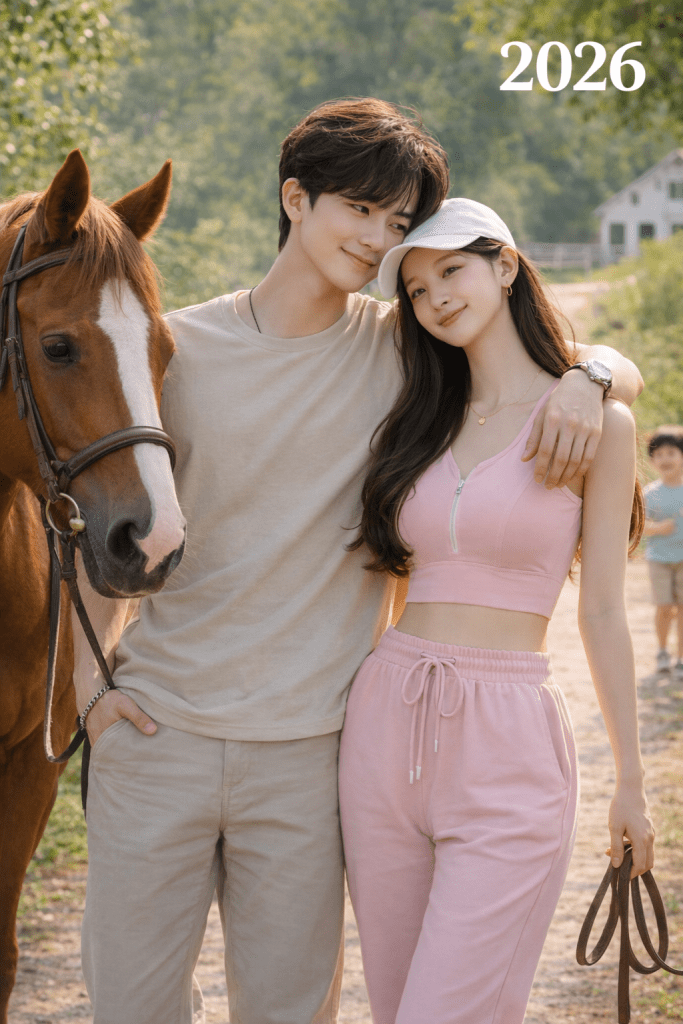
Dreaming of a Holiday After Working in the Promised Land

There’s something almost ironic about it.

You finally step into your “Promised Land.” The place you prayed for. Worked toward. Waited on. You settle in. You build. You show up consistently. You give your energy to what’s been placed in your hands.

And then one night, after weeks of working faithfully in that very place… you dream about going on holiday.

At first it feels strange.

Shouldn’t the Promised Land be enough? Shouldn’t arriving mean constant excitement, constant gratitude, constant momentum?

But maybe that’s not how promise works.

The Promised Land Still Requires Labor

In Scripture, the Promised Land wasn’t a lounge chair waiting under a palm tree. It was fruitful, yes — but it still needed cultivation. There were vineyards to tend. Land to steward. Responsibilities to carry.

Promise does not cancel effort.

So after weeks of pouring into this new season — learning rhythms, handling responsibilities, adjusting to expectations — it makes sense that your mind would dream of rest.

Not because you regret the promise.
But because you’re human inside it.

Holiday Dreams Aren’t Escape — They’re Signals

Dreaming about going on holiday doesn’t mean you want to leave the Promised Land. It might mean your soul is asking for balance.

Even in blessing, we need breathing room.
Even in answered prayers, we need restoration.
Even in purpose, we need pause.

The holiday in the dream might symbolize:
Space to exhale.
Space to enjoy.
Space to remember that you are more than your output.

Working from Promise, Not for It

Photo by HONG SON on Pexels.com

There’s a subtle shift that happens once you’ve arrived somewhere meaningful. At first, everything feels urgent. You want to prove you belong. You want to maximize the opportunity. You want to justify the blessing.

But over time, you realize something deeper:

You don’t have to earn the Promised Land.
You’ve already been brought into it.

That realization changes how you work. You’re no longer striving to enter — you’re learning to remain.

And remaining requires rest.

Rest Is Part of the Promise

We sometimes separate rest from productivity, as if one threatens the other. But God built rest into creation itself. Not because He was tired — but because rhythm matters.

Dreaming of a holiday after weeks of work might simply mean your spirit understands rhythm.

Work.
Pause.
Build.
Breathe.
Serve.
Restore.

The Promised Land is sustainable only when you honor that rhythm.

Permission to Enjoy

Maybe the dream is giving you quiet permission.

Permission to enjoy the land you’re in.
Permission to take breaks without guilt.
Permission to celebrate small wins.
Permission to experience joy beyond responsibility.

You can love where you are and still desire moments away.
You can be grateful and still need refreshment.
You can be faithful and still long for fun.

Those things don’t contradict each other.

They balance each other.

Living Fully in This Season

The dream doesn’t signal discontent. It signals awareness. You’ve been working. You’ve been building. You’ve been showing up.

And now your mind paints a picture of sunshine, movement, exploration.

Maybe it’s reminding you that the Promised Land is not just a place to labor — it’s a place to live.

So keep working faithfully.
But don’t forget to rest intentionally.

Because even in promise, you’re allowed to dream of holiday skies.

Design a site like this with WordPress.com
Get started