In Cocoon Terms 🐛: Where You Are and How to Fly

Sometimes growth isn’t linear. Sometimes it doesn’t feel fast. Sometimes it doesn’t feel glamorous at all. And yet, even in those quiet, in-between moments, transformation is happening.

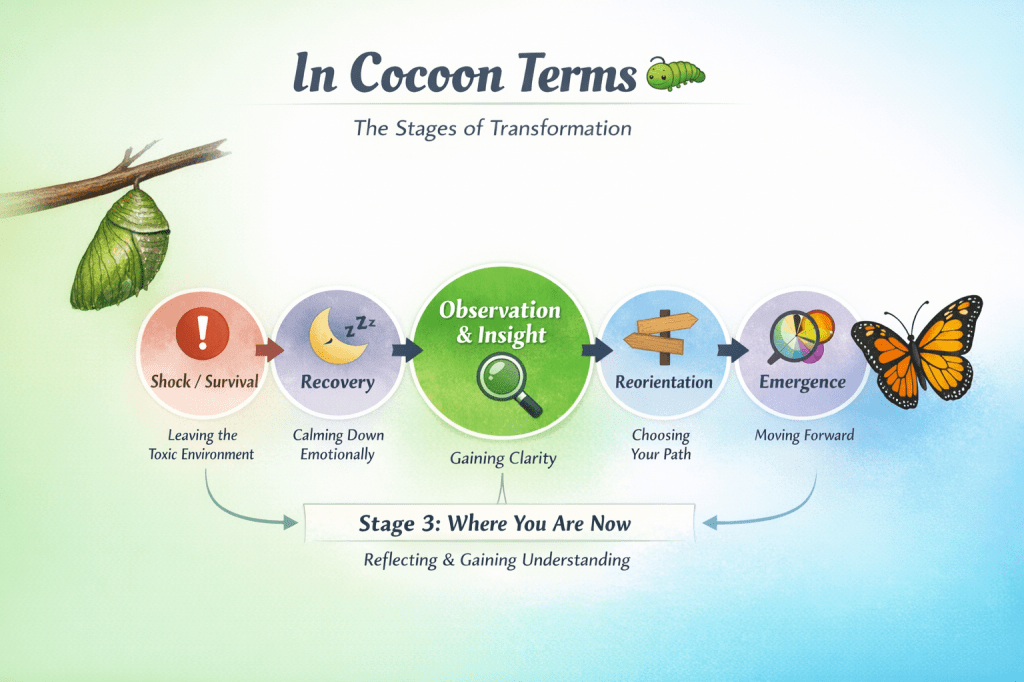
If we think of personal growth in cocoon terms, there are five stages — and where you are now matters, even if it doesn’t feel like progress at first.


Stage 1: Shock / Survival

Leaving a toxic environment is never easy. The shock of sudden change, or the relief of finally stepping away, can be overwhelming. Emotions swing between fear, anger, and uncertainty. Survival becomes the primary focus. Just getting through each day feels like enough.

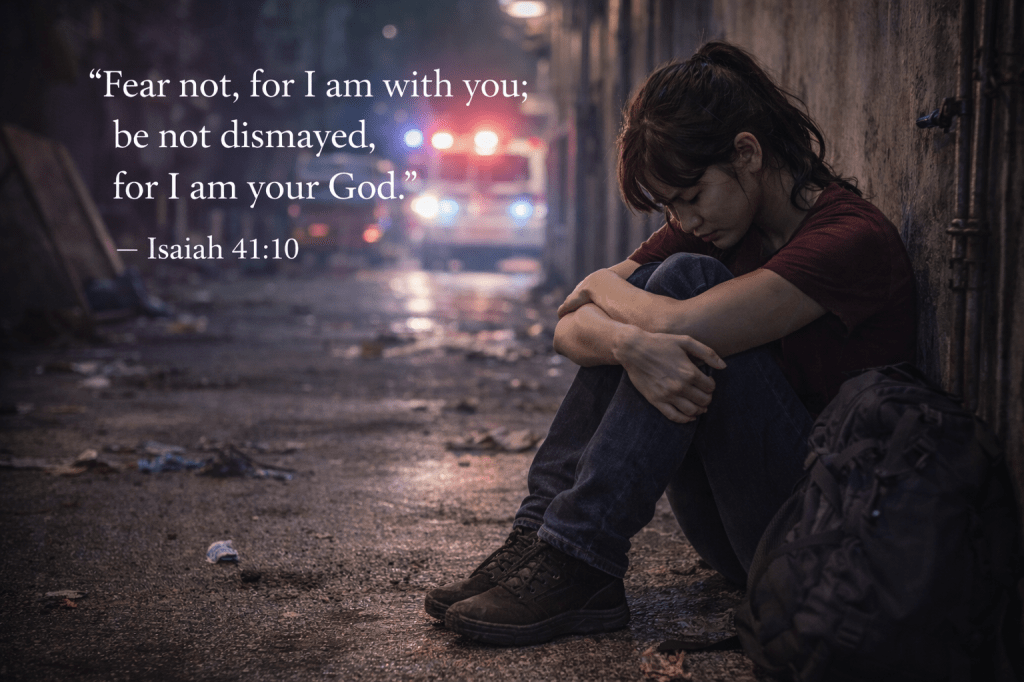
Scripture reminds us that even in moments of shock and fear, God is present:

“Fear not, for I am with you; be not dismayed, for I am your God.”
— Isaiah 41:10

The cocoon is tight. The space feels constricting. But it is necessary to pause before anything new can take shape.

Stage 2: Recovery

Once the initial shock passes, the emotional recovery begins. Here, the soul starts to calm. Thoughts become less reactive. Sleep and rest feel restorative again. You start noticing what really matters and what drains your energy.

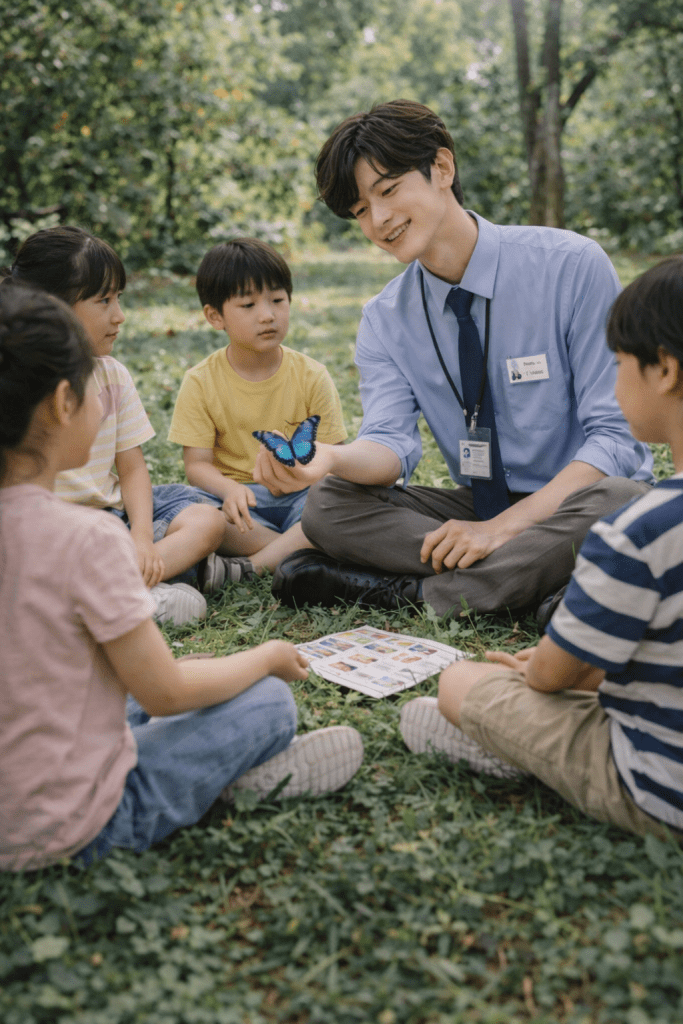
Recovery is quiet work, much like a caterpillar resting inside its cocoon — preparing its body for the next stage.

“He gives strength to the weary and increases the power of the weak.”
— Isaiah 40:29


Stage 3: Observation & Insight (Where You Are Now)

This is the stage you’re likely in today: observing, reflecting, learning. You’re noticing patterns, understanding past challenges, and discerning what kind of environments or people nurture you versus what stifles growth.

It’s the stage of clarity. Not action yet, but preparation. Like the butterfly inside its cocoon, you’re gathering strength and insight for the emergence ahead.

“The prudent see danger and take refuge, but the simple keep going and pay the penalty.”
— Proverbs 27:12

Observation and insight allow you to reorient your path with wisdom. This stage sets the foundation for freedom.


Stage 4: Reorientation

Soon, you’ll start deciding: What environments, opportunities, and relationships fit me best? Reorientation is the intentional choosing of where to invest energy and how to move forward.

This stage requires courage, discernment, and patience. It’s about aligning your next steps with your long-term growth rather than temporary comfort.

“Trust in the Lord with all your heart and lean not on your own understanding; in all your ways submit to him, and he will make your paths straight.”
— Proverbs 3:5–6


Stage 5: Emergence

Finally comes the moment of emergence — the butterfly unfolds its wings and moves forward with freedom. It is not instantaneous perfection. The wings are still soft at first. Strength comes with motion.

Emergence is a visible, courageous step into a new season. It’s entering spaces that support your growth and stepping toward the promised land of your own calling.

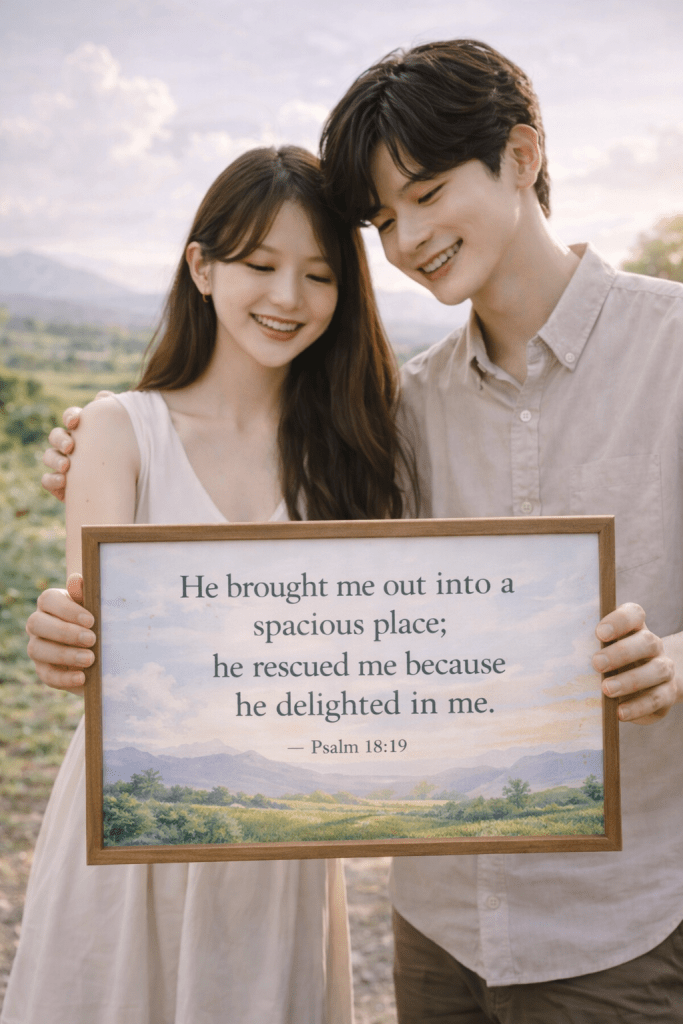
“He brought me out into a spacious place; he rescued me because he delighted in me.”
— Psalm 18:19


Remember

Being in Stage 3 is not “stuck.” It’s crucial. Insight, reflection, and observation are what prepare you to fly. Even in stillness, transformation is happening.

Your cocoon is not a prison — it’s a workshop. And the wings you will grow are being formed quietly, carefully, intentionally.

So take heart. Watch. Learn. Prepare. The emergence is coming — and when it does, you will move forward with strength, clarity, and purpose. 🦋

“Have you ever experienced a ‘cocoon’ stage like this? How did it feel?”
February in Review: Faith, Wilderness, and the Hope of the Promised Land

February was a month of reflection on the blog — a month where many of the posts circled around similar themes: transition, resilience, spiritual formation, and the quiet hope of entering a new season.

Looking back, the posts read almost like chapters of a journey. Some reflected on the wilderness, others on the process of transformation, and still others on what it means to step into a place of responsibility — what I often describe metaphorically as the “promised land.”

Together, they formed a narrative of movement.

Learning to Return After Rest

One of the earliest reflections this month explored what it feels like to return to work or responsibility after a period of rest. Holidays and celebrations — especially during Lunar New Year — offer a rare chance to pause, reconnect with family, and regain perspective.

But returning to routine can sometimes feel like stepping back into deep waters.

That reflection was anchored in the promise found in Isaiah 43:

“When you pass through the waters, I will be with you;
and when you pass through the rivers, they will not sweep over you.”
— Isaiah 43:2

The verse reminds us that faith does not eliminate challenges. Instead, it offers assurance that we do not face them alone.

Returning after rest is not simply about productivity. It is about carrying renewed clarity and trust into the responsibilities that await us.

The Wilderness as Preparation

Another theme that appeared repeatedly in February was the idea of wilderness seasons — times when growth feels difficult and progress seems slow.

The wilderness in Scripture was rarely comfortable, but it was always purposeful. It was the place where faith was tested, where patience was formed, and where identity was refined.

Many posts this month reflected on this reality. Difficult work environments, challenging responsibilities, and moments of uncertainty can feel restrictive, almost like walking through narrow corridors.

Yet the biblical narrative reminds us that the wilderness is not the final destination.

It is preparation.

The Butterfly and the Meaning of Struggle

One of the most memorable reflections this month centered around the story of a butterfly and a well-intentioned boy.

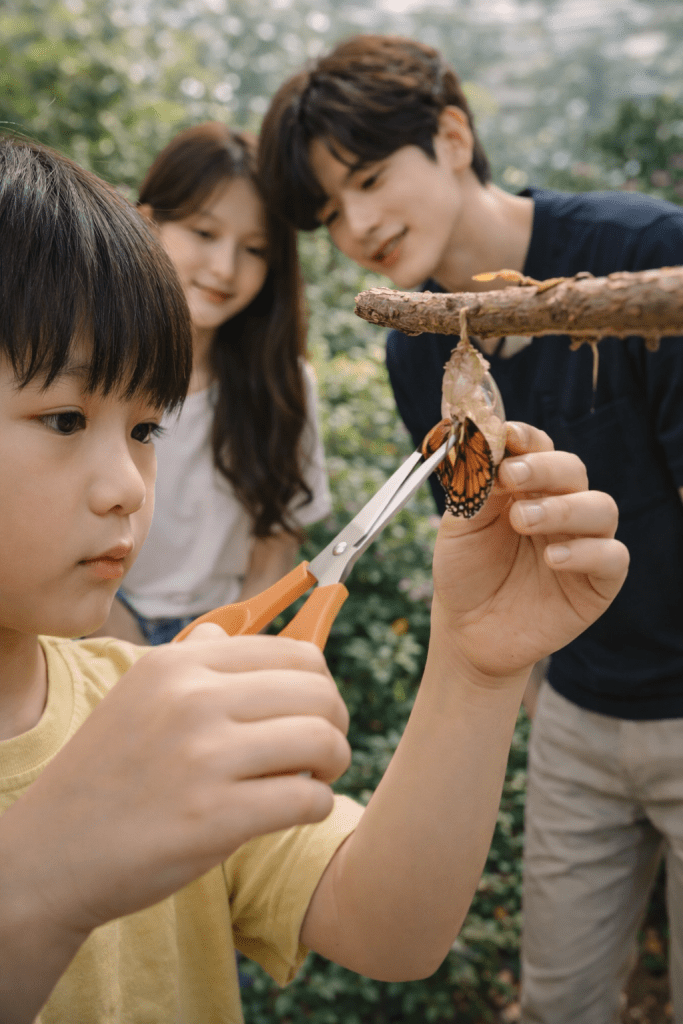
In the story, the boy sees a butterfly struggling to emerge from its cocoon. Wanting to help, he cuts the cocoon open with scissors so the butterfly can escape more easily.

But without the struggle of pushing through the narrow opening, the butterfly’s wings never develop properly.

It cannot fly.

The story illustrates a difficult truth: not every struggle should be removed. Some forms of resistance are part of the process that strengthens us.

This idea echoes the words of Romans:

“We also glory in our sufferings, because we know that suffering produces perseverance; perseverance, character; and character, hope.”
— Romans 5:3–4

The cocoon may feel restrictive, but it is often where transformation takes place.

Hoping for a Spacious Place

February also included reflections on workplace culture and the environments we inhabit.

Some environments feel constricting — places where creativity shrinks, conversations become cautious, and energy slowly drains. These seasons can be difficult, yet they also teach important lessons about leadership, humility, and resilience.

Scripture offers a hopeful counterpoint in Psalm 18:

“He brought me out into a spacious place;
he rescued me because he delighted in me.”
— Psalm 18:19

The image of a “spacious place” suggests freedom to grow, breathe, and contribute fully. It is a reminder that seasons of restriction are not permanent.

Just as the wilderness eventually gave way to the promised land, difficult environments may one day open into healthier and more life-giving spaces.

Seeing the New Thing

If February had a central message, it might be found in another line from Isaiah 43:

“See, I am doing a new thing! Now it springs up; do you not perceive it?”
— Isaiah 43:19

Transformation rarely happens all at once. It unfolds quietly through reflection, endurance, and trust.

Looking back on the posts this month, it becomes clear that the journey of faith is not only about dramatic moments of breakthrough. It is also about the gradual shaping of perspective — learning to see purpose in struggle, patience in uncertainty, and hope in transition.

Moving Forward

As February closes, the reflections from this month leave me with a sense of gratitude.

Gratitude for the wilderness seasons that shape character.
Gratitude for the small moments of rest that restore clarity.
Gratitude for the promise that new beginnings are always possible.

The journey from wilderness to promised land is rarely straightforward. But step by step, lesson by lesson, the path becomes clearer.

And perhaps that is the quiet encouragement at the heart of these reflections:

Even when the way feels uncertain, God is still guiding the story.

Join 60+ readers reflecting on faith, growth, and life’s quiet lessons. Subscribe to get new posts straight to your inbox!

From Stifling Air to Open Fields: Hoping for a Different Spirit in the Promised Land

There are seasons in life when the environment around you feels heavy.

Not necessarily hostile. Not openly chaotic. Just… stifling.

Conversations become cautious. Creativity shrinks. People focus more on avoiding mistakes than pursuing growth. Work continues, tasks are completed, meetings are held — but the atmosphere feels tight, as if the air itself has grown thin.

In environments like that, even capable people begin to feel smaller.

It becomes harder to breathe freely.

The Quiet Weight of Culture

Work culture shapes more than productivity. It shapes how people think, speak, and carry themselves.

In a stifling culture, people learn to protect themselves rather than contribute fully. Ideas remain unspoken. Initiative feels risky. Energy drains slowly, not because the work is impossible, but because the environment offers little space for openness.

Over time, that pressure can begin to feel like a narrow corridor — always moving forward, but never able to stretch your arms.

Yet Scripture often reminds us that life is not meant to remain in constricted spaces forever.

From Narrow Places to Open Ground

In Psalm 18:19, the psalmist writes:

“He brought me out into a spacious place;
he rescued me because he delighted in me.”

The imagery is powerful. God does not only rescue people from danger; He leads them into spacious places.

Spaces where breath returns.
Where movement becomes natural again.
Where growth is no longer forced through tight openings.

For many people, the journey through difficult work environments feels similar to the biblical wilderness. It is a place of testing, refinement, and endurance. Lessons are learned there — patience, humility, resilience.

But the wilderness was never meant to be permanent.

The Hope of the Promised Land

In the biblical story, the promised land represents more than physical territory. It represents alignment — a place where calling, responsibility, and community begin to fit together.

It is not a perfect place. Even the Israelites faced challenges after entering it. But it was different from the wandering years.

There was room to plant, to build, to establish something lasting.

When people speak about entering their own “promised land” season — whether in work, relationships, or purpose — they are often speaking about that same hope: the possibility of stepping into an environment that encourages life rather than constricting it.

An environment where:

Ideas are welcomed.
People grow without constant fear.
Leadership nurtures rather than suppresses.

Carrying Lessons Forward

Interestingly, the wilderness seasons often prepare us for those healthier environments.

The patience learned in tight spaces teaches humility in open ones. The discipline developed under pressure builds strength for greater responsibility later.

Even a stifling culture can shape valuable awareness: we learn what we do not want to replicate when we eventually influence culture ourselves.

In that sense, difficult seasons are not wasted. They become part of our formation.

Hoping for a Different Spirit

The hope of the promised land is not merely escape from discomfort. It is the possibility of participating in something healthier.

A workplace where people are trusted.
Where collaboration replaces quiet tension.
Where growth feels natural rather than forced.

The Bible speaks often about renewal and transformation, not only in individuals but in communities. One verse that captures this hope appears in Ezekiel 36:26:

“I will give you a new heart and put a new spirit in you.”

Sometimes the transformation we long for is not only internal but environmental — a shift in the spirit of a place.

Looking Toward Open Fields

For anyone currently navigating a difficult or constricting environment, the story of Scripture offers a quiet reassurance: seasons change.

Wilderness does not last forever.
Tight corridors eventually open into fields.

The lessons of endurance remain valuable, but the future can hold something different — a place where people work with clarity, dignity, and freedom.

A place where the air feels lighter.

A place where the spirit of the work matches the purpose of the people doing it.

In other words, a promised land.

“If you want to follow this journey of reflection and growth, subscribe to get new posts directly in your inbox.”

Why the Butterfly Had to Struggle: A Lesson on Suffering and Strength

When I was younger, I once heard a story about a boy who found a butterfly struggling inside its cocoon.

The cocoon hung quietly from a branch, but something unusual was happening. A small opening had formed, and the butterfly inside was pushing with all its strength to squeeze through. The process looked slow. Painfully slow. Minutes passed, then longer. The butterfly strained, paused, and strained again.

To the boy watching, it looked like suffering.

He thought the butterfly was stuck.

Wanting to help, the boy ran inside the house and returned with a pair of scissors. Carefully, he snipped open the cocoon to make the opening wider. The butterfly slipped out immediately.

For a moment, the boy felt proud of himself. He believed he had rescued it.

But something was wrong.

The butterfly’s body was swollen. Its wings were small and shriveled. It crawled along the branch, trying to lift itself into the air. It flapped again and again, but it could not fly.

What the boy did not know was that the struggle inside the cocoon was necessary. As the butterfly forced itself through the narrow opening, fluid from its body would normally be pushed into its wings. That pressure strengthened them, preparing them for flight.

Without the struggle, the wings never developed.

The boy removed the suffering — and unintentionally removed the butterfly’s ability to fly.

The Purpose Within Struggle

This story carries a lesson that is difficult but deeply true.

Not every struggle is meaningless. Some forms of pressure are part of formation.

In the Book of Romans, the apostle Paul writes:

“We also glory in our sufferings, because we know that suffering produces perseverance; perseverance, character; and character, hope.”
— Romans 5:3–4

This does not mean suffering is pleasant or something we should seek out. But it does suggest that hardship can shape us in ways comfort cannot.

Just as the butterfly’s wings are strengthened by resistance, human character often grows through endurance.

When We Want to Escape the Process

Most of us, like the boy in the story, instinctively want to remove struggle — from ourselves and from others.

We want the easy breakthrough. The quick solution. The shortcut that bypasses the narrow opening.

But sometimes the very pressure we want to avoid is the process that prepares us.

Challenges at work. Moments of uncertainty. Responsibilities that stretch our patience. These can feel like constricting spaces — like cocoons we wish we could cut open.

Yet if every difficulty disappeared instantly, we might never develop the resilience needed for what comes next.

Strength Formed in Hidden Places

The cocoon stage of a butterfly’s life is quiet and hidden. From the outside, it looks like nothing is happening.

But transformation is underway.

In many ways, spiritual growth follows the same pattern. Seasons that feel slow, restrictive, or uncomfortable may actually be preparing us for greater freedom later.

Scripture repeatedly points to this principle: that endurance shapes the inner life.

Not every struggle lasts forever. But the strength formed through it can remain long after the difficulty passes.

Learning to Trust the Process

The boy in the story acted out of compassion. His instinct to help was sincere. But wisdom sometimes means recognizing that growth requires patience.

Some wings only form through resistance.

When we face challenges — whether in work, relationships, or personal growth — it may be tempting to believe that something has gone wrong. But often, the process itself is shaping us in ways we cannot yet see.

The butterfly’s struggle was not punishment.

It was preparation.

And in the same way, the pressures we encounter may be quietly forming the strength we will one day need to rise. 🦋

Join 60+ readers reflecting on faith, growth, and life’s quiet lessons. Subscribe to get new posts straight to your inbox!

Tables of Provision: A Dream of Reunion, Calling, and Quiet Grace

This week, I had a dream that felt both ordinary and sacred.

It began with a Chinese New Year lunch — laughter, familiar faces, the warmth of reunion. Red decorations still lingering in the background. Plates filled generously. Conversations overlapping in that comfortable way that only happens when people have history.

There was no spectacle. Just presence.

And yet, it felt significant.

Reunion as Reminder

Chinese New Year carries themes of renewal and continuity. It marks time not only by calendars, but by memory. It says: You are still part of something. You belong to a story that stretches beyond this week.

Scripture carries similar rhythms. In Lamentations 3:22–23, we are reminded:

“Because of the Lord’s great love we are not consumed,
for his compassions never fail.
They are new every morning;
great is your faithfulness.”

Reunion, whether in waking life or in dreams, often reminds us that mercy is not exhausted. Seasons change, but grace renews itself. There is continuity in God’s faithfulness even as chapters shift.

A Dinner in the Promised Land

In the same dream, I attended a company dinner — one I joined after stepping into what I’ve called my “promised land.” A new season. New responsibilities. A place of growth rather than wilderness.

The dinner was not extravagant, but it symbolized arrival. Participation. Being seated at a table not as a wanderer, but as someone entrusted with work and belonging.

In Scripture, the promised land was never merely about geography. It was about covenant fulfillment and calling. Even after crossing over, responsibility did not disappear. It deepened.

In Joshua 1:9, God tells Joshua as he steps into leadership:

“Be strong and courageous. Do not be afraid; do not be discouraged, for the Lord your God will be with you wherever you go.”

The promised land is not an escape from effort. It is a place where effort aligns with purpose.

Sitting at that company dinner in the dream, I sensed this alignment. Not perfection. Not ease. But placement.

Buying Snacks from a Hospital

One detail stood out in a strangely tender way: I bought snacks from a hospital.

Hospitals represent vulnerability, healing, fragility — the places we confront limits. Snacks are small comforts, small provisions. Not feasts. Not solutions to everything. Just enough to sustain.

It made me think of 1 Kings 19, when Elijah, exhausted and overwhelmed, lies down under a broom tree. He does not receive a grand revelation at first. He receives bread. Water. Rest.

Small provisions before big assignments.

Sometimes God sustains us not with dramatic breakthroughs, but with simple nourishment — the right word, the right conversation, the right pause.

Even in places associated with strain, there are quiet mercies.

Tables and Trust

What strikes me most about the dream is that everything revolved around tables: a festive lunch table, a company dinner table, even the small counter in a hospital shop.

Tables are places of exchange. Of presence. Of covenant.

Psalm 23 says:

“You prepare a table before me in the presence of my enemies… my cup overflows.”

The table is not always set in ideal circumstances. Sometimes it is set in tension, in responsibility, in transition. But it is set nonetheless.

Perhaps that is what this dream was gently reminding me: whether in reunion, responsibility, or recovery, God is present at the table.

From Wilderness to Participation

In past seasons — my Mount Sinai season — growth felt like endurance. Refinement. Learning patience in the wilderness.

But the promised land carries a different test: stewardship.

Will I carry humility into responsibility?
Will I remember dependence in seasons of provision?
Will I recognize small mercies in structured environments?

The dream did not feel chaotic. It felt integrated. Celebration and calling. Healing and participation. Rest and responsibility woven together.

And perhaps that is the quiet work of God in every season:

Not removing us from ordinary life,
but meeting us within it.

As Isaiah 43:19 declares:

“See, I am doing a new thing! Now it springs up; do you not perceive it?”

Sometimes the “new thing” does not arrive with thunder.
Sometimes it arrives as lunch with loved ones,
a seat at a company table,
and a small bag of snacks in a hospital corridor.

Provision. Placement. Presence.

And that is enough.

Join 60+ readers reflecting on faith, growth, and life’s quiet lessons. Subscribe to get new posts straight to your inbox!

Through the Waters and Into Wings: Isaiah 43 and the Courage to Transform

Returning to responsibility after rest is one kind of transition. Transformation is another.

In Isaiah 43, God speaks to a people who have known displacement, exhaustion, and uncertainty:

“When you pass through the waters, I will be with you…
When you walk through the fire, you shall not be burned.”

The promise is not escape. It is presence.

And that distinction matters.

We often imagine spiritual growth as sudden clarity — as if one day we simply wake up stronger, calmer, wiser. But Scripture paints a different picture. Passing through waters. Walking through fire. Movement through difficulty, not around it.

It is less like teleportation.
More like metamorphosis.

The Butterfly as Theology

Consider the butterfly.

It begins as something grounded — almost unnoticed. A caterpillar lives close to the earth, consuming what it needs to survive. It moves slowly, visibly. There is nothing particularly majestic about that stage.

Then comes the cocoon — the hidden season.

Inside the chrysalis, something radical happens. The caterpillar does not merely grow wings. It dissolves. Its former structure breaks down before a new form emerges. Biologically, it is one of the most extraordinary transformations in the natural world. What once crawled becomes something that flies.

And yet, the process requires confinement. Stillness. Vulnerability.

The cocoon is not glamorous. It looks like nothing is happening. But everything is happening.

Photo by Debadutta on Pexels.com

Isaiah 43 echoes this pattern. God declares:

“See, I am doing a new thing! Now it springs up; do you not perceive it?”

Newness often begins where perception fails. In wilderness. In exile. In hidden seasons that feel unproductive.

Like the chrysalis.

Waters, Fire, and the Breaking Down

The butterfly’s transformation is not gentle. It involves disintegration before integration. The old form cannot carry the new capacity.

In the same way, the “waters” and “fire” in Isaiah are not decorative metaphors. They represent destabilization. The stripping away of false securities. The undo attachment to identities that no longer serve the future God is preparing.

Sometimes returning to work, to calling, or to responsibility after rest reveals this tension. The old coping mechanisms do not fit anymore. The frantic striving feels misaligned. The definition of success shifts.

We are no longer who we were before the wilderness.

That can feel disorienting.

But perhaps disorientation is evidence of transformation.

Freedom With Fragility

A butterfly, once emerged, does not immediately soar. Its wings are soft at first. It must wait for them to strengthen before it can fully fly.

There is a tenderness in early freedom.

After seasons of rest or renewal, returning to responsibility can feel like testing new wings. We sense growth. We feel different. But we are also aware of fragility. We do not want to revert to old patterns of burnout. We do not want to lose the peace we discovered.

Isaiah 43 assures us that transformation is not self-engineered. The same God who calls Israel through the waters is the One who forms them, redeems them, and names them.

“I have called you by name; you are mine.”

Identity precedes flight.

A Way in the Wilderness

Butterflies are often seen as symbols of lightness. But their existence depends on profound struggle. In fact, if a butterfly is helped out of its cocoon prematurely, its wings may not develop the strength required for survival. The resistance of emergence is what prepares it for flight.

Isaiah 43 speaks of a way in the wilderness and rivers in the desert. Wilderness is not erased. It is redefined. The desert does not vanish; it becomes a place of provision.

The cocoon does not eliminate the caterpillar’s past. It transforms it.

Returning after rest, stepping back into demanding spaces, or navigating change can feel like entering unfamiliar terrain. But perhaps what we interpret as pressure is preparation.

Not punishment — preparation.

The Courage to Become

Transformation is not instant triumph. It is sustained trust.

To live Isaiah 43 is to believe that waters will not drown you, fire will not consume you, and wilderness will not define you. It is to accept that the breaking down may be necessary for becoming.

The butterfly does not cling to its former shape. It surrenders to a process it cannot intellectually comprehend.

Faith is similar.

We rarely understand the full architecture of our transformation while it is happening. We only know that something is shifting. Something is dissolving. Something new is forming beneath the surface.

And one day, we emerge — not because we forced the change, but because we endured the process with trust.

From Passing Through to Rising Above

Isaiah 43 does not promise comfort alone. It promises accompaniment and renewal.

The butterfly does not bypass gravity. It learns to move differently within it.

Likewise, resilience after rest, or growth after wilderness, is not about escaping responsibility. It is about inhabiting it differently — lighter, steadier, more aligned with who we are becoming.

Waters may rise.
Fire may test.
But wings form in hidden places.

And when the time comes, what once crawled can fly.

Join 60+ readers reflecting on faith, growth, and life’s quiet lessons. Subscribe to get new posts straight to your inbox!

Returning After Rest: Lessons in Balance and Resilience

There is something disorienting about returning after a long rest.

The responsibilities that once felt manageable now seem sharper, more demanding. After days of celebration, reflection, or simply slowing down, stepping back into structure can feel like crossing a threshold — from softness to strain.

And yet, rest was never meant to make us fragile. It was meant to make us whole.

The Tension of Reentry

Coming back to work or routine often reveals two competing instincts. One part of us wants to sprint — to prove we are still capable, still efficient, still strong. Another part wants to cling to the quiet pace of rest, resisting the noise and urgency.

Balance lives somewhere in between.

Resilience is not about accelerating immediately. It is about reentering with awareness — carrying the peace of rest into the pressure of responsibility. Without that awareness, we risk undoing the very renewal we just received.

“Forget the Former Things” — A Word from Isaiah

In moments like this, I think of Isaiah 43, where God speaks to a weary people emerging from exile:

“Forget the former things; do not dwell on the past.
See, I am doing a new thing! Now it springs up; do you not perceive it?” (Isaiah 43:18–19)

This passage is often quoted in seasons of dramatic change, but it speaks just as powerfully to smaller transitions — like returning after rest.

We are not meant to return as if nothing happened. Rest changes us. Reflection changes us. Celebration softens us. Isaiah reminds us that God is always doing something new, even when we are stepping back into familiar spaces.

The office may look the same. The responsibilities may be unchanged. But we are not the same.

Passing Through Waters Without Drowning

Earlier in the chapter, Isaiah 43 declares:

“When you pass through the waters, I will be with you… When you walk through the fire, you shall not be burned.”

Returning to work can sometimes feel like stepping back into waters that once overwhelmed us — deadlines, expectations, performance metrics. Conversations resume mid-sentence. The pace accelerates before your spirit has quite caught up. It can feel as though the current is stronger than you remembered.

But resilience is not self-generated endurance. It is trust that we are accompanied.

In Isaiah 43, the promise is not that the waters disappear. It is that we do not pass through them alone. That subtle distinction changes everything. If strength depended solely on our emotional stamina or productivity systems, exhaustion would be inevitable. But if resilience is relational — rooted in God’s presence — then we are not bracing ourselves against pressure; we are walking through it with support.

Rest reminds us that our worth is not tied to output. During rest, we are valued simply because we are — not because we produce, perform, or impress. We are reminded that identity precedes achievement.

Returning, however, reminds us that our calling still matters. Responsibility is not punishment; it is participation. Work, when rightly understood, is not about proving our worth but expressing it. It is the space where our gifts meet real needs.

The balance is this:
Work diligently, but do not drown.
Move forward, but do not burn out.

To work diligently is to engage fully — to answer emails thoughtfully, to show up prepared, to steward tasks well. But not drowning means refusing to let urgency define your identity. It means remembering that a missed metric does not undo your value.

To move forward is to accept that life does not pause indefinitely. Growth requires motion. Yet not burning out requires rhythm — boundaries, pauses, and an awareness of your limits. Even in Isaiah 43, God speaks of making a way in the wilderness and streams in the wasteland. Provision appears within effort, not apart from it.

Perhaps resilience, then, is less about toughness and more about alignment. Alignment between rest and responsibility. Between identity and action. Between trust and effort.

When we return anchored in that alignment, the waters may still rise — but they no longer define us. We walk through them steady, knowing that presence, not performance, sustains us.

Redefining Strength

In a productivity-driven culture, strength is often measured by speed. How quickly can you catch up? How many tasks can you complete? How efficiently can you perform?

But Isaiah reframes strength as something quieter: being chosen, redeemed, called by name.

Resilience, then, is not frantic recovery. It is steady reentry. It is trusting that you do not need to sprint to prove your value. You can begin again — calmly, intentionally.

Carrying the Rest With You

The temptation after a break is to treat rest as a separate chapter — something that ends when work begins again. But what if rest is meant to travel with us?

What if the peace you felt during the holiday dinner, the stillness of a morning without urgency, the clarity that came in quiet reflection — what if those are not temporary gifts, but foundations?

Isaiah 43 speaks of rivers in the desert and paths in the wilderness. God does not remove the wilderness. He provides within it.

Returning after rest is not about abandoning renewal. It is about embodying it.

A Prayer for Reentry

As I step back into routine, I am learning this: resilience is not about bracing myself against pressure. It is about anchoring myself in presence.

The same God who meets us in celebration meets us in responsibility. The same voice that comforts in stillness guides in motion.

Rest has done its work. Now it is time to move — not in panic, but in trust.

And perhaps that is the quiet miracle of balance:
We return not depleted, but strengthened.
Not frantic, but grounded.
Not alone, but accompanied.

“What helps you carry peace from rest into your work?”

Join 60+ readers reflecting on faith, growth, and life’s quiet lessons. Subscribe to get new posts straight to your inbox!

When I Say “Christopher Nolan,” I Mean the Weight of the Dream

There’s something I need to clarify.

When I say the dream felt “Christopher Nolan,” I don’t mean I had just finished watching one of his films. It wasn’t literal. It was shorthand.

Because sometimes ordinary language fails to hold the weight of an experience.

And that dream carried weight.

Not Cinema — But Convergence

When I invoke “Christopher Nolan,” I’m describing a feeling: epic, intense, nonlinear, morally charged. The kind of experience where timelines fold into one another, where past and present coexist, where every decision reverberates beyond the moment.

The dream felt architected.

Mount Sinai of years ago stood beside Mount Sinai of now. The version of me who once trembled under responsibility stood beside the version who has learned to carry it. Wilderness and promised land were no longer separate seasons — they overlapped.

It wasn’t spectacle.

It was convergence.

And standing inside that convergence forced a question:
What, all along, have I been trusting?Not Cinema — But Convergence

When I invoke “Christopher Nolan,” I’m describing a feeling: epic, intense, nonlinear, morally charged. The kind of experience where timelines fold into one another, where past and present coexist, where every decision reverberates beyond the moment.

The dream felt architected.

Mount Sinai of years ago stood beside Mount Sinai of now. The version of me who once trembled under responsibility stood beside the version who has learned to carry it. Wilderness and promised land were no longer separate seasons — they overlapped.

It wasn’t spectacle.

It was convergence.

And standing inside that convergence forced a question:
What, all along, have I been trusting?

Mount Sinai in Layers

Mount Sinai has never been just a place. It has been a season of revelation, responsibility, refinement.

In Scripture, Sinai is where God reveals Himself in fire and thunder — not for drama, but for covenant. It is where calling becomes clear and obedience becomes costly.

Returning to my own “Mount Sinai” after a peaceful Chinese New Year celebration felt almost cinematic in that way. Lanterns and laughter had given me rest. But Sinai demanded alignment.

And the dream captured that tension — joy and weight, rest and responsibility, past fear and present growth, all existing at once.

Life is not linear. It loops. It layers. It revisits.

And each return reveals who we are becoming.

Psalm 20:7 in the Middle of the Dream

Somewhere in that reflection, Psalm 20:7 surfaced:

📖 “Some trust in chariots, and some in horses;
but we trust in the name of the Lord our God.”

In ancient warfare, chariots and horses were overwhelming advantages — visible strength, strategic dominance, measurable security.

Today, my “horses” look different:

  • Competence
  • Experience
  • Reputation
  • The ability to manage complexity

Standing on Mount Sinai again, with the nonlinear dream echoing in my mind, I realized something unsettling:

It is easy to trust the narrative I have constructed.
The growth. The discipline. The capability.

It is harder to trust in the unseen hand guiding the narrative.

The dream’s moral weight wasn’t about success or failure. It was about foundation.

Am I trusting in the horsepower of my own development?
Or in the Name — the character, the faithfulness, the sovereignty — of God?

Epic, Intense, and Spiritually Revealing

Calling the dream “Christopher Nolan” was my mind’s way of translating spiritual gravity into cultural metaphor.

Not cinema for entertainment.

But cinema as architecture — layered timelines revealing a single coherent design.

In those films, characters often don’t see the full picture until the end. Threads that seemed disconnected suddenly align. What felt chaotic reveals intention.

Perhaps that is true of faith as well.

What feels nonlinear is not directionless.
What feels intense is not accidental.
What feels morally weighty is not without purpose.

Sinai. Reunion. Rest. Responsibility. Dream.

All part of one authored story.


Trusting the Author, Not the Structure

The most humbling realization was this:

Even if I can analyze the dream…
Even if I can trace the themes…
Even if I can see the narrative arcs…

I am not the ultimate author.

Psalm 20:7 recenters me.

Not in the strength of chariots.
Not in the speed of horses.
Not in the sophistication of the storyline.

But in the Name of the Lord.

And perhaps that is the quiet invitation beneath all the cinematic intensity:

To walk back into Mount Sinai not impressed by my growth,
not overwhelmed by the weight,
but anchored in trust.

Epic.
Intense.
Nonlinear.
Morally weighty.

Not cinema.

Calling.

Photo by cottonbro studio on Pexels.com

After the Lanterns Dimmed: Returning to Mount Sinai and Remembering the Dream

Chinese New Year this year was gentle.

No rushing. No noise beyond laughter. Just the quiet warmth of being at a relative’s house — shared dishes passed around a circular table, familiar voices overlapping, elders smiling at stories they’ve heard before but never tire of.

There was peace in the room. The kind that doesn’t need to announce itself.

And in that stillness, I felt rested — not just physically, but internally. Like something inside me had exhaled.

But the next moment, I found myself returning to Mount Sinai.

From Celebration to Calling

Mount Sinai has always symbolized something weighty in my life — responsibility, refinement, revelation. It’s the place where clarity meets cost. Where purpose is revealed, but not without trembling.

Going back after such a peaceful celebration felt like walking out of warm lantern light into desert air.

Not harsh. Just real.

And strangely, as I stood there again, I remembered what I can only describe as a cinematic dream — something that felt like it belonged in a Christopher Nolan film.

Layered. Non-linear. Almost disorienting.


The Cinematic Dream

In the dream, time folded in on itself.

I was both past and present. The Mount Sinai of years ago overlapped with the Mount Sinai of now. Conversations echoed before they happened. Old insecurities walked beside new confidence. It felt like standing inside a story that had multiple timelines running at once.

Very Nolan-esque.

But what struck me wasn’t confusion. It was perspective.

In those films, the characters often don’t realize what is shaping them until the end — until the threads converge and meaning becomes visible. While inside the story, everything feels fragmented.

Standing on Mount Sinai again, after the peace of New Year, I realized: my life has been unfolding in layers like that.

The wilderness season.
The promised land season.
The return.

All part of one continuous narrative.


Peace Does Not Eliminate Pressure — It Reframes It

The Chinese New Year celebration reminded me of reunion, of rootedness, of belonging. It grounded me.

Mount Sinai, on the other hand, reminds me of calling, of obedience, of growth.

The tension between the two used to exhaust me. Now, it feels instructive.

Peace is not the absence of responsibility.
It is the posture we carry into it.

I didn’t return to Mount Sinai frantic. I returned reflective.

And perhaps that is growth.


When the Dream Becomes Reality

In a Nolan film, the protagonist often has to choose: stay in the illusion of comfort, or step into the harder truth of reality.

Mount Sinai is rarely comfortable. But it is formative.

The celebration at my relative’s home reminded me who I am apart from achievement. Mount Sinai reminds me who I am becoming through responsibility.

Both are necessary.

Both are sacred.

And maybe the dream was not random at all. Maybe it was a reminder that even when seasons feel disjointed — celebration here, pressure there — they are held within a larger story authored beyond my understanding.


After the Lanterns

After the lanterns dimmed, the desert did not feel lonely.

It felt purposeful.

I carried the peace of reunion into the place of revelation. I carried laughter into responsibility. I carried rest into work.

And perhaps that is the real lesson:

We do not leave peace behind when we return to Mount Sinai.
We bring it with us.

The story is still unfolding — layered, nonlinear, sometimes disorienting — but not directionless.

And for the first time, I am less concerned about controlling the plot, and more willing to trust the Author.

As I stood there, taking it all in — the quiet after celebration, the weight of responsibility, the echoes of the cinematic dream — Psalm 20:7 came to mind:

📖 “Some trust in chariots, and some in horses; but we trust in the name of the Lord our God.”

Mount Sinai, the dream, the reunion — they are all part of life’s “chariots and horses.” They are powerful, impressive, and sometimes necessary. Yet the peace, the clarity, the courage to step forward — none of it comes from what I can control. True strength, steadiness, and guidance come from God alone. This season reminded me that even when I return to demanding work, even when life folds in layers like a Nolan film, I can walk forward anchored in His name, carrying both rest and purpose with me.

Photo by Val Kilmer Donadillo on Pexels.com

Join 60+ readers reflecting on faith, growth, and life’s quiet lessons. Subscribe to get new posts straight to your inbox!

200 Posts Later: Trusting God Beyond the Chariots and Horses

📖 “Some trust in chariots, and some in horses;
but we trust in the name of the Lord our God.” — Psalm 20:7

Two hundred posts.

That’s not just a number. That’s years of showing up. Of writing when inspiration flowed — and when it didn’t. Of publishing thoughts that felt polished, and others that felt vulnerable. Of pressing “publish” not knowing who would read, who would resonate, or who would scroll past.

Two hundred posts is visible work.

But Psalm 20:7 reminds me that visible work is not the same as ultimate trust.


Chariots, Horses — and Modern Metrics

In the ancient world, chariots and horses were military assets. They represented speed, power, strategic advantage. If you had them, you were formidable. If you didn’t, you were vulnerable.

Today, our “chariots and horses” look like:

  • Page views
  • Follower counts
  • Engagement rates
  • SEO rankings
  • Shares and reposts

They are measurable. Impressive. Quantifiable.

And subtly, they can become where we place our trust.

After 200 blog posts, it’s easy to ask:
Did they perform well?
Did they grow my platform?
Did they build influence?

But Psalm 20:7 draws a line in the sand.
Some trust in performance.
Some trust in visibility.
But we trust in the name of the Lord our God.


What Does It Mean to “Trust in the Name”?

The verse doesn’t just say “trust in God.” It says trust in the name of the Lord.

In Scripture, a name represents character — essence — reputation. To trust in His name is to trust in who He has revealed Himself to be: faithful, just, compassionate, sovereign.

It means believing that:

  • Obedience matters more than applause.
  • Faithfulness matters more than fame.
  • Integrity matters more than influence.

Two hundred posts are the work of my hands.
But the outcome of that work belongs to Him.


Writing as Worship

Over the years, blogging has become more than content creation. It has become discipline. Reflection. Sometimes confession. Sometimes encouragement.

There were posts written in clarity.
Posts written in uncertainty.
Posts written after mountaintop moments.
Posts written in wilderness seasons.

Psalm 20 was originally a prayer for victory before battle. The people would ask God to grant success — not because of their weapons, but because of His covenant faithfulness.

In many ways, every time we publish something, we step onto a battlefield of comparison, competition, and self-doubt. The temptation is to rely on our skill, our strategy, our creativity alone.

But the deeper prayer is this:

Lord, establish the work — not because it is impressive, but because it is offered to You.


When the Numbers Rise — and When They Don’t

Verse 8 continues:

“They collapse and fall, but we rise and stand upright.”

Chariots fail. Horses tire. Metrics fluctuate. Platforms change. Algorithms shift.

But trust anchored in God stands steady.

If 200 posts taught me anything, it’s this:
Consistency built discipline.
Discipline built clarity.
Clarity built conviction.

And conviction does not depend on applause.


The Next 200

As I look ahead, the question is no longer, “How do I grow this?”
The question is, “How do I remain faithful?”

May the next 200 posts be written not in pursuit of visibility, but in pursuit of truth.
Not to accumulate influence, but to cultivate impact.
Not to trust in digital chariots and horses — but in the Lord who sustains the writer behind the screen.

Because in the end, platforms fade.
But faithfulness endures.

Returning to the Promised Land: Trusting God When Practice Is Harder Than Theory

After a long rest, the return feels sharper.

The promised land is no longer an idea. It is a workplace. Responsibilities. Conversations. Expectations. The very place that once felt like answered prayer now demands something of you.

And if I’m honest, Psalm 20:7 is easier to quote than to live.


When the Promised Land Feels Pressured

There was a time when the promised land was simply hope — something prayed for, waited on, longed toward. But once you are in it, the terrain changes. The stakes feel higher. The performance feels visible.

The “chariots and horses” here are subtle:

  • Competence
  • Reputation
  • Results
  • Approval

It is tempting to lean on skill, preparation, experience — to trust in what I can manage.

Yet Psalm 20:7 interrupts that instinct.
It does not condemn effort.
It reorders trust.

The verse doesn’t say chariots are useless. It says they are not ultimate.

And that is where practice becomes difficult.


The Gap Between Knowing and Trusting

I know the theology. I know the right language. I know that my security is in God’s name — His character, His faithfulness, His sovereignty.

But in the moment — when deadlines approach, when decisions carry weight — my reflex is still self-reliance.

Trusting in the name of the Lord means:

  • Working diligently, but not anxiously.
  • Preparing thoroughly, but not obsessively.
  • Accepting outcomes without letting them define me.

It sounds simple. It is not.

Faith in theory is calm.
Faith in practice is surrender.


Rest Reveals What We Really Trust

Interestingly, the long rest was easier than the return.

During rest, trust feels natural. There is space to pray, reflect, breathe. The absence of pressure makes faith feel steady.

But returning to work reveals what anchors me.

Rest gave clarity.
Work tests it.

And yet, the long rest was not wasted. It strengthened something quiet inside — perspective. A reminder that I am more than output. That I can step away and still be held.

Perhaps that is part of trusting in the Lord’s name: believing that He sustains me in stillness and in striving.


Trusting Differently This Time

Going back to the promised land does not mean charging in with chariots blazing.

Maybe it means walking in with quieter confidence.

Not proving.
Not performing.
Not grasping.

But trusting.

Psalm 20:7 is not a denial of effort. It is a declaration of foundation.

I will use the tools given to me.
I will work with excellence.
But I will not anchor my identity in outcomes.

Because if the promised land is truly promised, then it is sustained not by my horsepower — but by God’s faithfulness.


A Prayer for the Return

Lord,
As I return to the work You have allowed me to enter,
guard my heart from trusting in visible strength alone.
Help me to practice what I profess.
Let my confidence rest in Your name —
not in my competence.
Thank You for the long rest that restored me.
Now teach me to carry that rest into the work.
Amen.


Maybe this is what maturity looks like — not flawless trust, but honest struggle paired with steady return.

The promised land is still a gift.
And I am still learning how to live in it without mistaking the horses for the hope.

Design a site like this with WordPress.com
Get started