From Sinai to the Promised Land: Mapping the Spiritual Journey Hidden Within My Dreams

Over the past few months, I began noticing something unusual.

Certain dreams kept returning with recurring themes:

  • old workplaces
  • former students
  • investigations
  • teaching
  • recognition
  • leadership
  • waiting for a reward

At first, they seemed disconnected—random reflections from memory and transition. But the more I reflected on them collectively, the more I realized they formed a coherent spiritual and emotional journey.

What emerged was not merely a series of dreams, but a progression.

A movement.

One that strongly resembled the biblical journey from Mount Sinai to the Promised Land.


1. Sinai: The Season of Exposure and Separation

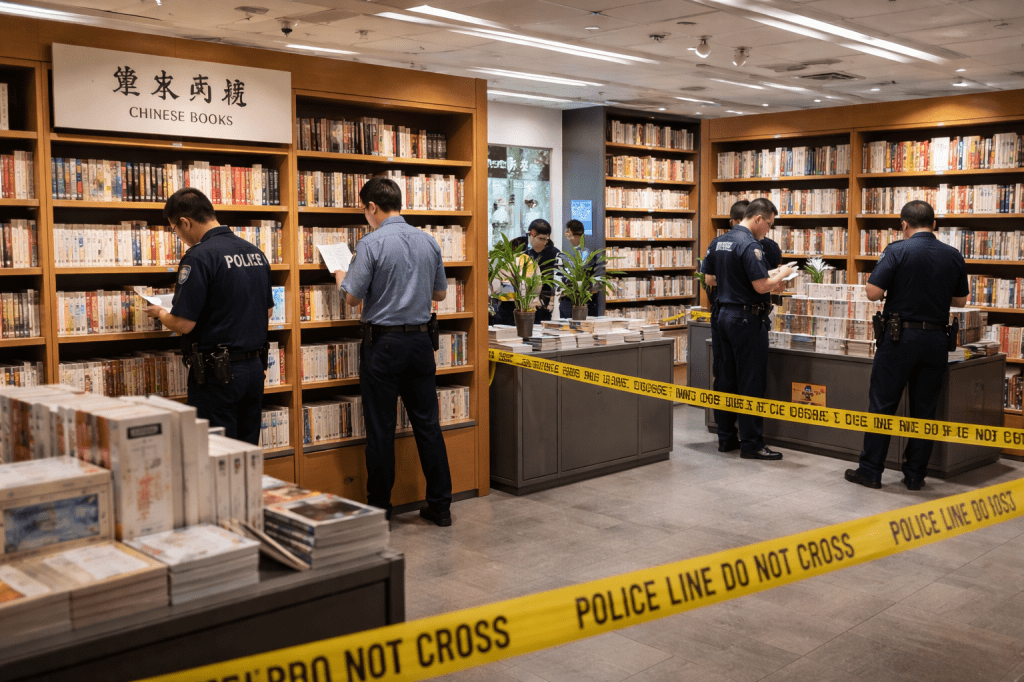
The first dream took place in what resembled my former workplace, transformed into a bookstore.

Part of the bookstore was cordoned off while authorities investigated the area. Certain books were inaccessible. There was tension, restriction, and uncertainty.

That atmosphere immediately carried the emotional weight of exposure and accountability.

Looking back, the dream reflected more than a workplace memory. It symbolized a Sinai season—a place where truth becomes unavoidable.

In Scripture, Mount Sinai was where God revealed His standards and exposed what was out of alignment. Sinai was not comfortable, but it was necessary.

Likewise, some seasons in life confront us with difficult realities:

  • unhealthy environments
  • moral tension
  • hidden things coming to light
  • the need to make difficult decisions

The dream reflected a season where I had to separate from an environment that no longer aligned with peace or integrity.

Sometimes, God begins new journeys by first revealing what cannot continue.

“For there is nothing hidden that will not be disclosed.”
— Luke 8:17


2. The Wilderness: Letting Go of What Cannot Continue

In the same dream, another moment stood out strongly.

I was encouraged to take books, but before I could receive them, someone else took them away.

At first, the image felt discouraging—as though opportunities, knowledge, or rewards had been lost.

But spiritually, this mirrors the wilderness season that follows Sinai.

The wilderness is the space between:

  • leaving the old
  • and entering the new

It is where identity shifts occur.

In many transitions, there are things we believe we should carry forward:

  • recognition
  • expectations
  • unfinished hopes
  • attachments to old environments

Yet not everything from a previous season is meant to enter the next one.

Sometimes, what feels like loss is actually preparation.

God often removes things not to diminish us, but to free us for what comes next.

“Forget the former things; do not dwell on the past. See, I am doing a new thing.”
— Isaiah 43:18–19


3. A Reminder That the Season Was Not Fruitless

Another dream introduced a completely different emotional tone.

I dreamed about a former student I had once taught in Primary 2, now older and searching for a boutique tuition centre for Mathematics. Alongside this memory was a message from his father, who once shared that he appreciated how caring I had been toward his son—especially when I celebrated a simple 20/20 Mathematics worksheet result.

This dream felt gentle.

Unlike the earlier imagery of investigation and restriction, this dream centered on:

  • growth
  • trust
  • remembrance
  • relational impact

It reminded me that even within difficult environments, meaningful work was still taking place.

Sometimes, after leaving challenging seasons, people focus so heavily on what went wrong that they forget the good they carried into the lives around them.

The dream served as a correction to that perspective.

The season was not empty.

There was fruit there.

Students may not remember every worksheet or lesson plan, but they often remember encouragement, patience, and care.

And perhaps that is one of the deepest forms of impact.

“You did not choose me, but I chose you and appointed you so that you might go and bear fruit.”
— John 15:16


4. Entering the Promised Land: From Observer to Leader

As the dreams progressed, the imagery began changing dramatically.

No longer confined to restricted spaces or unresolved environments, I began seeing images of myself teaching, leading, speaking, and guiding others in open settings.

The atmosphere had changed:

  • openness replaced confinement
  • purpose replaced uncertainty
  • leadership replaced reaction

This reflected what the Promised Land symbolizes spiritually—not perfection, but alignment.

In earlier dreams, I was navigating systems controlled by others.

Now, I was stepping into spaces where I carried influence, vision, and confidence.

The most significant shift was this:
I was no longer trying to receive something.

I had something to give.

That realization marked a transition from survival into calling.

“The Lord brought me out into a spacious place.”
— Psalm 18:19


5. Recognition After Endurance

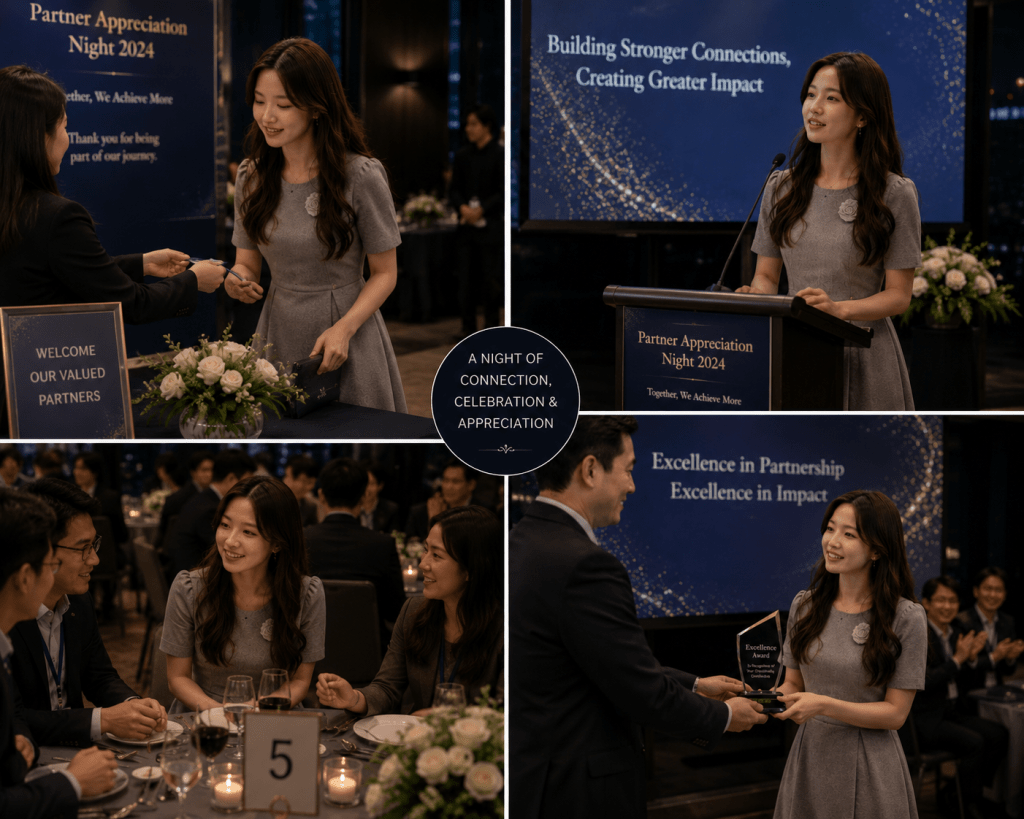
The final dream took place at a corporate event.

A client connected to my former workplace organized the event and encouraged me to stay until 10 PM because there was a prize waiting for me.

This dream carried powerful symbolism.

The corporate setting represented visibility, professionalism, and acknowledgment. But the key detail was not the prize itself—it was the instruction to remain until the end.

That speaks deeply to perseverance.

There are seasons where recognition feels delayed. Moments where individuals question whether their efforts mattered at all. Yet the dream suggested something different:
faithfulness is not forgotten.

The prize symbolized affirmation—not necessarily public success, but the restoration of confidence and the acknowledgment that meaningful work carries lasting value.

The timing mattered too.

The reward came later in the evening, after endurance.

This reflects an important spiritual principle:
some forms of recognition arrive only after the process has matured.

“Let us not grow weary in doing good, for at the proper time we will reap a harvest if we do not give up.”
— Galatians 6:9


The Overall Journey

When viewed together, the dreams formed a clear progression:

SeasonSymbolSpiritual Meaning
SinaiInvestigation and restricted bookstoreTruth, exposure, separation
WildernessBooks taken awayRelease and transition
FruitfulnessFormer studentLasting impact and care
Promised LandTeaching and leadershipAlignment with calling
RecognitionCorporate prize eventAffirmation after perseverance

A Final Reflection

Looking back, I no longer see these dreams as isolated experiences.

Together, they tell a story:

  • from restriction to openness
  • from uncertainty to clarity
  • from hiddenness to visibility
  • from survival to purpose

Most importantly, they remind me that difficult seasons do not define the entire narrative.

Sometimes, what feels like an ending is actually preparation for a deeper calling.

Sinai was never meant to be the final destination.

Neither was the wilderness.

There is always movement toward the Promised Land for those willing to continue walking forward.

And perhaps the most beautiful part of the journey is this:
the very seasons that once felt painful may later reveal themselves as the places where strength, clarity, compassion, and calling were quietly being formed all along.

Staying Until the End: Reflections on Recognition, Patience, and Purpose

Recently, I had a vivid Sunday afternoon dream that stayed with me long after I woke up.

In the dream, I attended a corporate event. Interestingly, the organizer was a client connected to my former workplace. At some point during the event, the organizer encouraged me to remain until 10 PM because there was a prize waiting for me to receive.

At first, the dream seemed unusual but straightforward. Yet the more I reflected on it, the more I realized it carried deeper themes about recognition, perseverance, and the transition from one season of life into another.


The Symbolism of the Corporate Event

Corporate events are often spaces associated with visibility, achievement, networking, and recognition. They bring people together not only to celebrate milestones, but also to acknowledge contributions and value.

What stood out to me was not simply the event itself, but the atmosphere surrounding it. Unlike dreams centered on tension or uncertainty, this environment felt structured, professional, and purposeful.

It represented a different emotional landscape:

  • not investigation, but acknowledgment
  • not restriction, but invitation
  • not conflict, but recognition

This contrast felt significant.


Recognition Beyond the Workplace

Another meaningful detail was the identity of the organizer: a client from my former workplace.

This stood out because clients often experience individuals differently from internal systems or organizational structures. While workplaces can sometimes be defined by policies, hierarchy, or internal tensions, clients tend to remember professionalism, reliability, care, and interpersonal impact.

The dream seemed to separate two important ideas:

  • the environment one works within
  • and the value one personally carries

That distinction matters.

There are seasons where difficult workplaces can cause individuals to question whether their efforts were truly meaningful. Yet external relationships often reveal a clearer picture of the impact that was actually made.

Sometimes, people remember not the institution itself, but the individual who served, supported, or encouraged them well.


The Meaning of Staying Until 10 PM

Perhaps the most symbolic part of the dream was the request to remain until late in the evening.

In many ways, “staying until the end” represents patience.

It reflects the willingness to continue showing up even when:

  • recognition feels delayed
  • outcomes remain uncertain
  • or the reward has not yet appeared

There is a natural temptation during difficult transitions to leave emotionally before the process is complete—to disengage, withdraw, or assume that nothing meaningful remains ahead.

Yet the dream carried a different message:
stay a little longer.

Not out of exhaustion or striving, but because some forms of recognition arrive later than expected.


The Prize as a Symbol of Affirmation

The prize itself may not represent a literal reward. Rather, it symbolizes something deeper:

  • affirmation
  • acknowledgment
  • restoration of confidence
  • validation that one’s efforts mattered

This feels especially meaningful when viewed against previous seasons marked by uncertainty or unresolved tension.

There are experiences in life where opportunities seem restricted, voices feel unheard, or contributions go unnoticed. Over time, this can shape the way people view their own value.

Yet this dream suggested a different perspective:
faithfulness is not invisible.

Even when recognition is delayed, meaningful work still carries weight.


The Importance of Endurance During Transition

Transitions often involve more than physical change. They require emotional and internal adjustment as well.

Leaving one environment and entering another can create a period of uncertainty where individuals wonder:

  • What was the purpose of that season?
  • Did my work matter?
  • Was anything truly carried forward?

Sometimes, the answers do not emerge immediately.

Instead, they unfold gradually through reflection, relationships, and unexpected reminders that one’s efforts left a lasting impression.

The dream seemed to capture this reality beautifully:
the story was not ending with departure, but continuing toward recognition.


A Broader Reflection on Purpose

One of the most meaningful lessons from this experience is that recognition often arrives differently than expected.

It may not always come through titles, promotions, or public acknowledgment. Sometimes it comes quietly:

  • through people who remember your care
  • through opportunities that emerge later
  • through affirmation after a difficult season has already passed

Purpose is not always immediately visible while we are living through challenging environments.

But over time, clarity often emerges.


Final Thoughts

Taken together, these themes form a consistent picture of encouragement around patience, faithfulness, and timing. The recurring imagery of staying until the end, enduring through waiting, and ultimately receiving recognition points to a season where perseverance is not overlooked—it is accounted for.

This aligns closely with the principle that faithfulness is ultimately rewarded:

📖 Matthew 25:21 — “Well done, good and faithful servant… I will put you in charge of many things. Come and share your master’s happiness.”

Rather than rushing outcomes or assuming silence means absence of progress, the symbolism highlights a different rhythm: one where timing matters just as much as effort.

📖 Ecclesiastes 3:11 — “He has made everything beautiful in its time.”

The dream’s emphasis on waiting until the end also reflects endurance through process—staying steady even when results are not immediate.

📖 Galatians 6:9 — “Let us not become weary in doing good, for at the proper time we will reap a harvest if we do not give up.”

There is also a clear sense that effort and faithfulness are not forgotten, even when they are not immediately acknowledged.

📖 Hebrews 6:10 — “God is not unjust; He will not forget your work and the love you have shown Him…”

And finally, the theme of recognition after waiting reflects the idea that timing and elevation are not random, but purposeful:

📖 1 Peter 5:6 — “Humble yourselves… that He may lift you up in due time.”

Overall, there is a noticeable shift in the symbolism—from uncertainty to recognition, from hidden effort to visible affirmation, and from waiting to meaningful reward.

The message woven through these themes is steady and consistent: perseverance has purpose, timing has meaning, and what is done faithfully is not forgotten.

The Lasting Impact of Care: Reflections from a Dream About a Former Student

Recently, I had a dream about a former student I once taught in Primary 2. In the dream, he was now older—a Primary 4 student—and was looking for a boutique tuition centre for Mathematics.

At first glance, the dream seemed simple. But as I reflected on it, I realized it carried a deeper message about influence, growth, and the enduring impact of care in education.

What made the dream especially meaningful was the memory attached to it. During the time I taught him, his father once sent me a message saying he felt that I was genuinely caring toward his son. The moment that stood out to him was not a major academic milestone, but something small and personal: I had celebrated with his son when he scored 20 out of 20 for a Mathematics worksheet.

That memory stayed with me.

As educators, we often focus on curriculum, performance, and measurable outcomes. Yet moments like these remind us that students and parents frequently remember something deeper than grades alone—they remember how they were treated.


Education Beyond Academics

In many educational environments, success is often measured through numbers:

  • examination scores
  • academic rankings
  • performance indicators

While these are important, they are not the full picture.

Students also carry emotional experiences from the classroom:

  • whether they felt encouraged
  • whether their efforts were noticed
  • whether they believed someone genuinely cared about their growth

A simple acknowledgment of a student’s achievement can become a defining memory because it communicates something more powerful than praise:
“You are seen.”

In this case, the dream seemed to revisit that truth.


The Quiet Power of Encouragement

One of the most meaningful aspects of teaching is that educators do not always see the long-term effects of their influence immediately.

A worksheet score may appear temporary. A short conversation may seem insignificant. But encouragement has a way of remaining in a student’s memory long after the lesson itself has ended.

The dream highlighted a progression:

  • from one season of learning to another
  • from a past classroom experience into a future educational journey

It reminded me that growth continues beyond the seasons in which we directly participate. As teachers, we may leave a classroom, a centre, or an institution—but the seeds we plant in students often continue to grow.


Separating Calling from Environment

The dream also carried another important reflection: the distinction between one’s calling and one’s workplace environment. There are seasons where educators may work within challenging systems or difficult environments. During those times, it can become easy to question:

  • whether one’s efforts mattered
  • whether students truly benefited
  • whether meaningful impact was made at all

Yet experiences like this serve as reminders that influence is not always defined by the institution itself.

Sometimes, the most lasting part of a season is not the organization, but the relationships built within it. The memory of a parent recognizing care and attentiveness affirmed something important: even within imperfect environments, genuine compassion still reaches people.


Why Care Matters in Education

Students may forget specific worksheets, formulas, or lesson plans over time.

But many will remember:

  • the teacher who encouraged them when they lacked confidence
  • the educator who celebrated small victories
  • the adult who treated them with patience, dignity, and kindness

Care creates safety.
Safety builds confidence.
Confidence often becomes the foundation for growth.

This is especially important in subjects like Mathematics, where students can easily develop anxiety or discouragement. Sometimes, a child’s breakthrough does not begin with mastering content—it begins with believing they are capable of succeeding.

Encouragement helps create that belief.


A Personal Reflection

Looking back, I realize the dream was not simply about a former student searching for a tuition centre.

It was a reminder.

A reminder that meaningful work is rarely measured only through outcomes or recognition. Often, its deepest value is found in the quiet moments where someone feels encouraged, supported, or understood.

As educators, we may never fully know the extent of the impact we have on students and families.

But sometimes, through reflection, memory, or even dreams, we are reminded that kindness leaves traces far beyond the classroom.

And perhaps that is one of the most meaningful parts of teaching after all.

Golden Seams and Green Beginnings

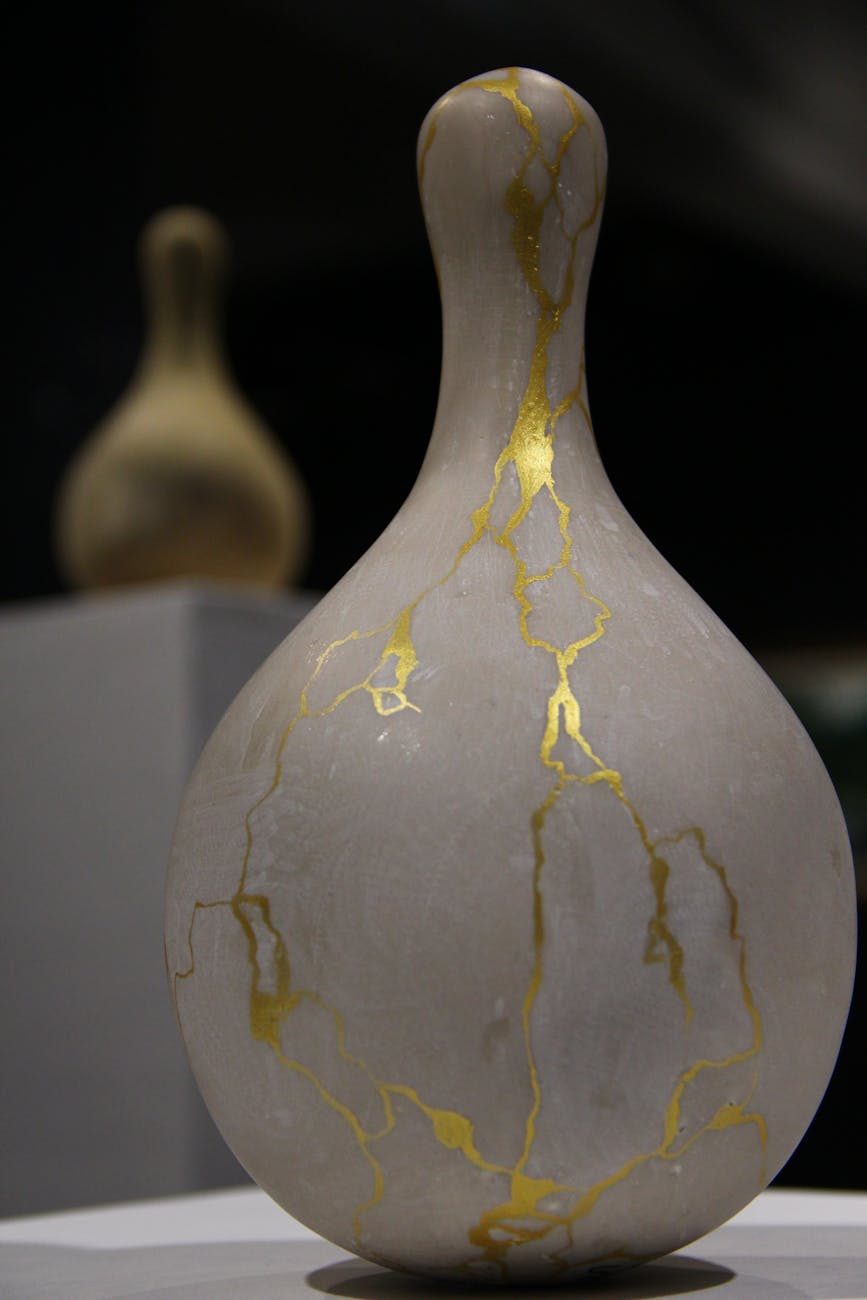
There’s something quietly powerful about the idea that broken things don’t have to be hidden—they can be honored, even made more beautiful because of what they’ve been through. That’s the heart of kintsugi, the Japanese art of repairing cracked pottery with gold, not to disguise the damage but to illuminate it.

Over the past four months, I’ve found myself living out a version of kintsugi—not with ceramics, but with my own life, my choices, and even something as simple as a dress.

I wore a white dress with black designs from a former season of my life. It carried memories, meaning, and identity from a time that shaped me. But as I stepped into new spaces and new growth, it became clear that the dress—beautiful as it was—no longer fully reflected where I was going. Still, I wasn’t ready to discard it. It felt too significant, too tied to my journey.

So instead of replacing it immediately, I did something different. I asked someone from my care group—someone I trust, someone who has walked alongside me—to sew over parts of it. That act, simple as it sounds, meant a lot more than mending fabric. It was a moment of community, humility, and restoration. Like kintsugi, it wasn’t about pretending nothing had changed. It was about acknowledging that change had happened—and allowing it to be part of the design.

But the story didn’t end there.

At some point, I felt a nudge—a clear sense that it was time for something new. Not just repaired, but renewed. That’s when I decided to purchase a green dress.

Green. The color of growth, life, renewal, and fresh beginnings.

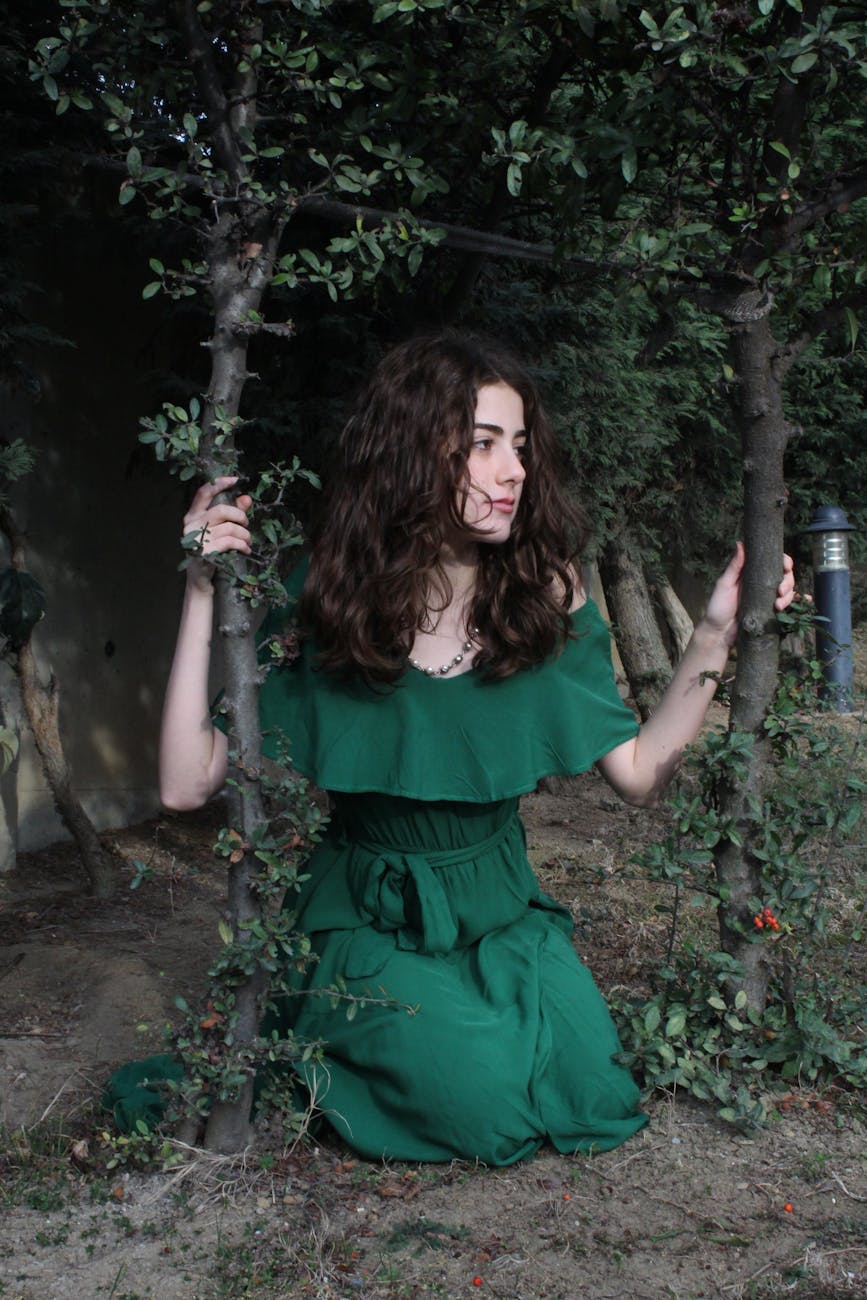
Photo by Asy on Pexels.com

That dress represents more than a wardrobe update. It symbolizes a new season of anointing, a brand-new design for my life. It’s a declaration that I’ve stepped out in faith and embraced adventure, even when it felt uncertain. These past four months haven’t been about playing it safe—they’ve been about trusting the process, saying yes when it would’ve been easier to stay comfortable, and believing that something new was being formed in me.

Looking back, I realize both dresses matter.

The white and black dress reminds me of where I’ve been—the lessons, the shaping, the beauty that came even through wear and tear. The stitching added by a caring hand reflects the support and grace I’ve received along the way.

And the green dress? It points forward. It’s a visible sign that I’m no longer standing still. I’ve moved. I’ve grown. I’ve chosen faith over fear.

Kintsugi teaches that the cracks are part of the story. I think this season has taught me something similar: restoration is meaningful, but so is renewal. Sometimes we mend what we have. And sometimes, we step boldly into something entirely new.

Right now, I’m choosing both—to honor the past and to fully embrace what’s ahead.

Photo by Eky Rima Nurya Ganda on Pexels.com

From Ritual to Reality: A May Day Reflection on Faith and Clarity

This May Day, a quiet but powerful thread runs through each reflection: the movement from external dependence to internal clarity. Across themes of faith, work, and personal growth, the central question has remained consistent—what are we truly relying on?

From reflections on Psalm 91 and anointing, to questions about “covering” and spiritual security, the focus shifts away from rituals, systems, and familiar structures toward something deeper: abiding in God and developing discernment. Rather than seeking control through actions or environments, the invitation is to cultivate trust, awareness, and alignment.

At the same time, there is a strong undercurrent of transition. Moments of discomfort, loss, or uncertainty are not framed as failure, but as signals—indications that something is changing, being revealed, or coming into clearer focus. Whether through dreams, daily encounters, or small decisions, growth is shown to happen in subtle, often overlooked ways.

There is also a noticeable shift in mindset—from consuming to building, from reacting to leading. Small resources become opportunities. Past limitations become preparation.

Ultimately, this May Day reflection is not about having all the answers, but about learning to see more clearly, trust more deeply, and move forward with intentional, grounded faith.

Photo by Polina u2800 on Pexels.com

🌿 When We Reach for Oil: Understanding Psalm 91 and True Anointing

In seasons of uncertainty, many believers instinctively reach for something tangible.

A prayer.
A verse.
Sometimes, even anointing oil.

There is nothing wrong with that instinct.

But it raises an important question:

What are we truly placing our trust in—God Himself, or what represents Him?

1. Psalm 91 Is About Dwelling, Not Ritual

Psalm 91 begins with a powerful condition:

“He who dwells in the shelter of the Most High will rest in the shadow of the Almighty.”

The promise is clear—but so is the posture.

It does not say:

  • “He who uses oil…”
  • “He who performs the right action…”

It says:

“He who dwells…”

Dwelling is:

  • ongoing
  • relational
  • internal This means protection is not activated by a moment. It is sustained by abiding.

🕊️ 2. What Anointing Oil Represents (and What It Doesn’t)

In Scripture, oil is symbolic of:

  • consecration
  • setting apart
  • the presence of the Holy Spirit

Kings were anointed.
Priests were anointed.
Spaces were consecrated.

But the oil itself was never the source of power.

God was.

The danger is subtle.

When we move from:

“This points me to God”

to:

“This gives me protection”

we shift from symbol → substance confusion.

⚖️ 3. The Risk of Substituting Symbol for Substance

In uncertain environments, it’s natural to want reassurance.

So we may:

  • pray over a place
  • anoint a space
  • declare Scripture

All of these can be meaningful.

But they can quietly drift into:

a need to control outcomes through spiritual actions

Instead of:

trusting God regardless of outcomes

That’s the difference between:

  • faith
    and
  • spiritual dependency on methods

🔍 4. Psalm 91 Does Not Remove Discernment

One of the most misunderstood ideas is:

“If I am under God’s covering, everything around me will feel safe.”

But Psalm 91 does not teach blindness.

It teaches security in God, not denial of reality.

You can:

  • dwell in God’s presence
  • and still see flaws in systems
  • still notice gaps in leadership
  • still recognize when environments are misaligned

That is not lack of faith.

That is:

walking in truth


🔥 5. When We Try to “Cover” What God Is Exposing

There are moments when:

  • patterns become clear
  • discomfort increases
  • things no longer feel aligned

In those moments, applying spiritual language or actions (like anointing) can sometimes become:

an attempt to preserve what God may be revealing

We must be careful not to:

  • use prayer to avoid clarity
  • use symbols to quiet conviction
  • use “covering” to stay where alignment is shifting

Because God’s covering does not require us to ignore truth.


🌱 6. True Anointing Is Not Applied—It Is Lived

The New Testament shifts our understanding.

Anointing is no longer external.

It becomes:

internal—through the Holy Spirit

This means:

  • you don’t carry oil for protection
  • you carry His presence within you

True anointing looks like:

  • clarity in confusion
  • peace in uncertainty
  • wisdom in decision-making
  • courage to respond when alignment changes

🧭 7. Discernment: The Greater Protection

Protection is not always:

  • staying in the same place
  • preserving the current structure

Sometimes protection looks like:

being led out, redirected, or repositioned

So the deeper question is not:

“Is this place covered?”

But:

“Am I still aligned with where God is leading?”

Because:

  • you can anoint a place
  • but still be called to move
  • you can pray over a system
  • but still see its limitations

🌿 Final Reflection

If you find yourself holding both:

  • the desire for protection
  • and the awareness of misalignment

Do not rush to resolve the tension with action alone.

Instead, return to the core of Psalm 91:

“He who dwells…”

Not:

  • he who performs
  • he who secures
  • he who stabilizes

But:

he who abides

Because in the end:

God’s covering is not something you apply to a place.
It is something you experience as you remain in Him—wherever He leads next.

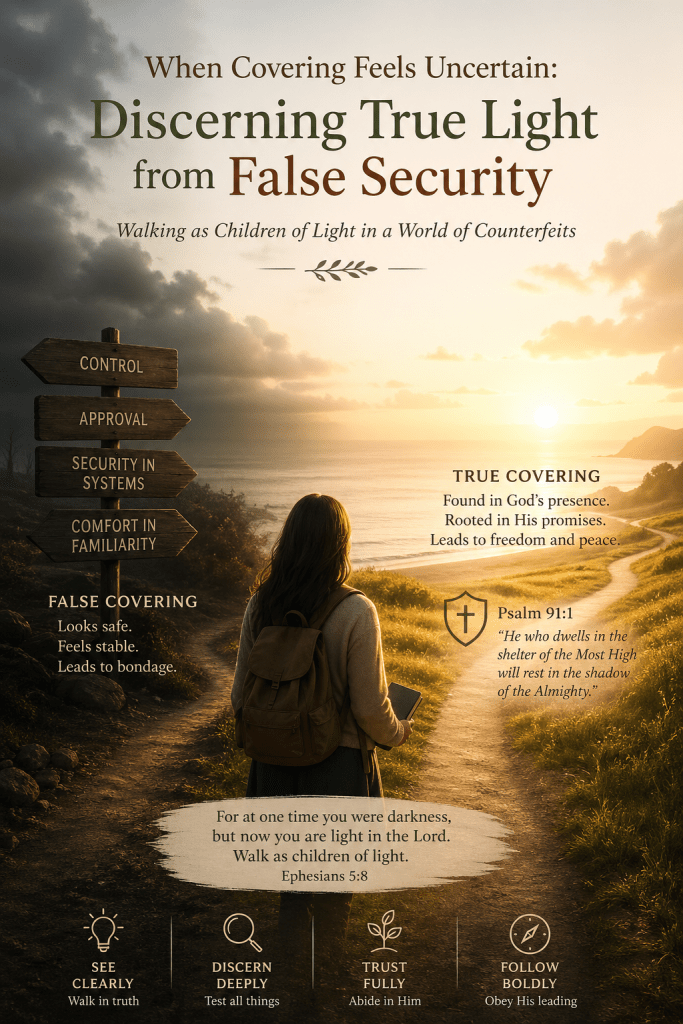
🌿 When Covering Feels Uncertain: Discerning True Light from False Security

In seasons of uncertainty, especially when outcomes feel unclear and environments feel unstable, many of us instinctively look for “covering.”

We ask:

  • Am I protected here?
  • Is this the place God has called me to remain?
  • Why does something that once felt safe now feel unsettled?

These questions are not signs of weakness.
They are often the beginning of spiritual discernment.


1. The Nature of True Covering (Psalm 91)

Psalm 91 speaks of a deep and abiding protection:

“He who dwells in the shelter of the Most High will rest in the shadow of the Almighty.”

Notice the emphasis is not on place, but on position:

  • not a workplace
  • not a system
  • not a leader

But:

dwelling in God Himself

True covering is not primarily external.
It is relational and spiritual.

This means:

  • environments may change
  • systems may fail
  • leadership may be inconsistent

But the believer’s ultimate covering remains:

God’s presence, not human structure


🔍 2. False Covering: When Systems Replace Trust

False covering is subtle.

It often looks like:

  • stability in routine
  • familiarity in structure
  • reliance on people or processes
  • comfort in “how things have always been done”

But over time, God may begin to expose:

where we have placed our trust in systems instead of Him

This is not punishment.

It is revelation.

Because what feels like “loss of covering” may actually be:

the removal of misplaced security


🕊️ 3. Ephesians 5: Walking as Children of Light

Ephesians 5 calls believers to a higher level of awareness:

“For at one time you were darkness, but now you are light in the Lord. Walk as children of light…
and try to discern what is pleasing to the Lord.”

Discernment here is not mystical guesswork.

It is:

  • seeing clearly
  • recognizing patterns
  • testing what is good, right, and true

This includes:

  • environments we are in
  • systems we serve under
  • responses to pressure and conflict

As light increases, two things happen:

  1. You see more clearly
  2. You can no longer ignore what you see

That tension is often where discernment begins.


⚖️ 4. When Clarity Feels Like Discomfort

Sometimes, what we call:

“loss of peace”

is actually:

gain of clarity

You begin to notice:

  • where response is reactive instead of proactive
  • where safety depends on individuals compensating
  • where accountability is inconsistent
  • where small issues repeatedly escalate

This does not always mean:

“Leave immediately”

But it does mean:

You are no longer meant to remain unaware

God does not always remove us instantly.

Sometimes He first:

sharpens our sight


🔥 5. Idols We Don’t Recognize

One of the quietest idols in a believer’s life is:

the need for control through structure

We may not call it an idol, but it can look like:

  • “If the system works, I will be at peace”
  • “If leadership is strong, I will feel safe”
  • “If everything runs smoothly, I can trust the environment”

But God gently confronts this by allowing moments where:

structure is insufficient

Not to harm us,
but to remind us:

peace does not come from perfect systems—it comes from abiding in Him


🌱 6. True Discernment: Not Reaction, but Alignment

Spiritual discernment is not:

  • fear-driven
  • impulsive
  • based on one difficult moment

It is formed through:

  • repeated patterns
  • consistent observation
  • inward conviction
  • alignment with Scripture

You begin to ask:

Does this environment align with truth, light, and order?
Or am I constantly compensating for gaps that should not exist?

This question is not rebellion.

It is:

wisdom seeking alignment


🕊️ 7. When Covering Changes Shape

What many describe as:

“covering being removed”

may actually be:

  • a season ending
  • a grace shifting
  • a redirection forming
  • a new alignment emerging

God’s covering does not disappear.

But it may:

move ahead of you rather than remain where you are


🌿 Final Reflection

If you are in a place where:

  • clarity is increasing
  • discomfort is growing
  • patterns are becoming undeniable
  • and your spirit is asking deeper questions

Do not rush to label it.

Instead, hold it before God and ask:

“Am I losing covering, or am I being led into clearer light?”

Because often, what feels like uncertainty is actually:

the beginning of walking more fully as a child of light—no longer sustained by what is familiar, but guided by what is true.

From Restriction to Calling: A Journey from Sinai to the Promised Land

There are moments in life when the contrast between where we were and where we are becomes impossible to ignore. Sometimes, that contrast doesn’t come through logic or reflection alone—but through dreams, images, and quiet revelations that surface when we least expect them.

Recently, I saw that contrast clearly.

On one hand, there was a familiar place from my past—my former workplace—reimagined in a dream as a bookstore. But it wasn’t peaceful. A section was cordoned off. Authorities were investigating. Access was restricted. Even when I was invited to take something, it was taken from me before I could.

On the other hand, there was a completely different picture: standing in an open landscape, speaking, leading, sharing. Not confined, not watching—but guiding.

And in that contrast, I began to see a deeper story unfold—one that mirrors the biblical journey from Mount Sinai to the Promised Land.


A Place of Restriction: When Everything Feels Cordoned Off

In the dream, the bookstore didn’t feel like a place of learning—it felt like a place of tension.

There were boundaries everywhere. Certain sections were inaccessible. There was a sense of scrutiny, as if everything was being watched, examined, or questioned. Even opportunities felt uncertain—offered one moment, gone the next.

Looking back, that environment reflects more than just a physical workplace. It represents a season where:

  • growth felt limited
  • access felt controlled
  • and clarity was clouded by tension

This is what Mount Sinai can sometimes feel like in our own lives—not just a place of revelation, but a place where we become aware of what is right, what is wrong, and what doesn’t align. It’s a place of truth—but not yet a place of rest.


The Wilderness: When You’re No Longer There, But Not Fully Here

Leaving that place didn’t immediately bring resolution.

Like the Israelites after Sinai, there is often a wilderness season—a space in between where questions linger:

  • Did I miss something?
  • Could I have gained more?
  • Why does it still feel unresolved?

The moment in the dream where the books were taken away captures that feeling perfectly. It can feel like something was lost—opportunities, knowledge, recognition.

But the wilderness has a purpose.

It teaches us that not everything we reach for is meant to come with us. Some things are removed not as punishment—but as preparation.


The Promised Land: From Observer to Leader

Then comes the shift.

In the new image, everything changes.

The setting is open—wide, expansive, full of light. There are no barriers, no tape, no restricted sections. Instead of navigating someone else’s system, I am standing at the front—speaking, guiding, leading.

This is the Promised Land.

Not a place without challenges, but a place where:

  • there is room to grow
  • there is clarity of purpose
  • and there is alignment between who you are and what you are doing

The most striking difference is this:
I am no longer trying to access something—I am now in a position to give.

What once felt withheld is now flowing.


A Shift in Identity: From Reaction to Authority

One of the deepest changes isn’t external—it’s internal.

In the former place, authority felt external. Decisions, access, and outcomes were controlled by others. There was a constant need to respond, adapt, and navigate.

In the new season, something has shifted.

There is a sense of ownership. A voice. A presence.

Not in a prideful way—but in a grounded, purposeful way.

It’s the difference between:

  • reacting to an environment
  • and shaping one

This is what happens when you move from a place that confines you to a place that calls you.


When Opportunities Are Taken vs. When Purpose Is Given

At first, the image of the books being taken away felt like loss.

But in the context of the Promised Land, it reveals something deeper.

In the old season, opportunities felt scarce, uncertain, even competitive—like something you had to grasp before it disappeared.

In the new season, purpose is not something you chase—it’s something you carry.

You are no longer defined by what you couldn’t take.

You are defined by what you now have to give.


Trusting the Transition

Transitions are rarely clean. Even after we leave a place physically, parts of it can linger in our thoughts, our emotions, and even our dreams.

But sometimes, those reflections are not meant to pull us backward.

They are meant to show us how far we’ve come.

From restriction to openness.
From tension to purpose.
From observer to leader.

From Sinai… to the Promised Land.


A Final Reflection

If you find yourself revisiting a past season—whether through dreams, memories, or quiet thoughts—pause and look at where you are now.

Not everything that felt like loss was truly loss.

Not everything that was taken was meant to stay.

And not every place you leave is meant to be understood immediately.

Some places are Sinai.

But you were never meant to stay there.

You were meant to move forward.

And perhaps, without fully realizing it, you already have.

When a Small Resource Reveals a Bigger Shift in Thinking

Sometimes, a small thought reveals a much bigger change happening beneath the surface.

Recently, I was reflecting on a devotional story about someone receiving an unexpected $100 just in time to pay their utility bills. It highlighted a simple but powerful theme: provision arriving when it’s needed.

Later that day, I thought about the SG100 credits—and almost instinctively, a different question came to mind:

“Could this be used to build something for my startup?”

That moment wasn’t dramatic, but it was revealing.

A Shift from Spending to Building

Most people would naturally see a credit as something to use or spend.

But if your mind immediately goes to building, that signals a shift.

Instead of asking:

  • What can I get from this?

You start asking:

  • What can this become?

This is often how founder thinking develops. Resources—no matter how small—begin to look like potential building blocks for something larger.

Photo by Kindel Media on Pexels.comWhy That Matters

Why That Matters

What stood out even more was what I thought of building.

Not something random, but culture assets—things that contribute to identity, experience, and long-term value.

This suggests a deeper alignment:

  • thinking beyond short-term use
  • focusing on meaningful, reusable value
  • building with intention, not just efficiency

It’s a move from consumption toward creation.

A More Grounded Way to Interpret It

It’s easy to overthink moments like this and wonder if they are “signs.”

But a more useful question is:

Does this decision make sense even without the emotional context?

In other words:

  • Is it allowed within the scheme?
  • Does it genuinely support the startup?
  • Would it still feel like a wise use of resources?

If the answer is yes, then it’s likely not just inspiration—it’s good stewardship.

Conclusion: What This Really Reveals

The most important takeaway isn’t whether the thought was spiritual or strategic.

It’s this:

your mindset is starting to change.

When you begin to consistently see small resources as opportunities to build something meaningful, it shows a shift toward:

  • ownership
  • long-term thinking
  • creative responsibility

And that shift is often how meaningful ventures begin.

Not from big moments,

but from the quiet habit of turning what you have into something that lasts.

Photo by Tobi Law on Pexels.com

The Trolley Problem at the Cross: An Easter Philosophy Reflection ✝️

The story of the bridge keeper and his son is often told as a moving Easter illustration. Yet beneath its emotional power lies something even deeper: it is also a profound philosophical problem.

At its heart, the story asks the same unsettling question raised in moral philosophy classrooms:

Would you sacrifice one life to save many others?

This is the essence of the trolley problem — one of the most famous ethical dilemmas in philosophy.

A train is coming.
Lives are at stake.
A choice must be made.

The bridge keeper becomes a tragic moral agent, caught between personal love and impersonal duty.

Photo by fish socks on Pexels.com

Beyond Moral Arithmetic

At first glance, the answer seems utilitarian.
Save the many.
Lose the one.

This resembles the logic of John Stuart Mill and Jeremy Bentham: the morally right action is the one that maximizes the good for the greatest number.

But Easter invites us beyond moral arithmetic.

The father’s act is not simply a calculation. It is anguish. It is love. It is the tearing apart of the heart in the name of rescue.

This is where the story begins to move away from ethics alone and into existential philosophy.

Kierkegaard and the Anguish of Love

Søren Kierkegaard understood that the deepest human choices are rarely made in comfort or certainty.

They are made in dread.
In trembling.
In the place where reason can no longer fully carry us.

The father lowering the bridge is not a detached thinker solving a logic puzzle.
He is a suffering person bearing the unbearable weight of decision.

This is what makes the story spiritually powerful.

It is not simply about what is right, but about what love is willing to endure.

Photo by kaleef lawal on Pexels.com

The Cross as the Ultimate Moral Paradox

Easter transforms the philosophical dilemma into theology.

The cross itself can be read as the ultimate moral paradox:
the innocent one given so that many may live.

“For God so loved the world that he gave his one and only Son.”
— John 3:16

Here the trolley problem becomes redemptive rather than merely tragic.

The bridge is lowered.
The train passes safely.
A way is made.

But unlike abstract philosophy, Easter insists that this sacrifice is not merely about numbers. It is about agape — self-giving love that enters suffering for the sake of others.

What This Means for Us

Why does this matter beyond Easter Sunday?

Because many of us live with our own versions of moral tension:

  • duty versus love
  • justice versus mercy
  • logic versus compassion
  • self-preservation versus sacrifice

The bridge story forces us to confront what kind of love we believe in.

Is love merely emotional?
Or is it willing to bear cost?

The Easter answer is radical:
true love is always costly.

Not because suffering is good in itself, but because redemption often requires someone to make a way where there was none.

The Philosophical Gift of Easter

Perhaps the greatest insight here is this:

Philosophy gives us the structure of the dilemma.
Faith gives us its meaning.

The trolley problem asks whether one should die for many.
The cross answers with the language of grace.

The bridge was lowered.
The way was opened.
And love chose the cost.

That is why Easter remains not only a theological truth, but one of the most profound reflections on ethics, sacrifice, and meaning ever given to the human imagination. ✝️🦋

Design a site like this with WordPress.com
Get started