The Asbury Revival and What It Reveals About Our Hunger for God

Reflections on authenticity, Gen Z, and why polished professionalism may not satisfy our deepest spiritual longings.

In a recent conversation, I heard a university professor describe the Asbury Revival in a way that has stayed with me ever since. He spoke not about the crowds or the headlines, but about how visceral the experience was.

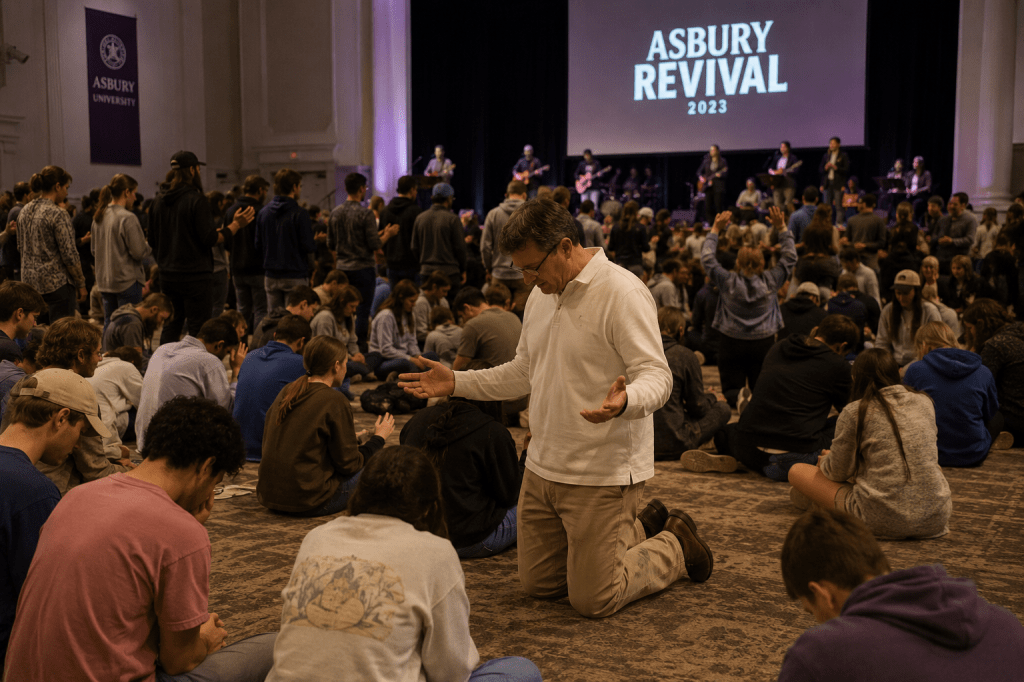
It began with what was meant to be an ordinary chapel service at Asbury University in February 2023. Instead of leaving when the service ended, a small group of students remained behind to pray. Others joined them. Hours turned into days. Worship continued around the clock. There were no celebrity pastors, no elaborate production, no marketing strategy—just students praying, confessing, singing, reading Scripture, and seeking God together.

What struck the professor most was not simply that it happened, but how it happened. It felt raw, genuine, and unforced.

A Generation Looking for Something More

One of the professor’s observations was that Gen Z has become one of the largest and fastest-growing groups expressing interest in faith and spirituality. While many have assumed younger generations are abandoning religion altogether, he believes many are actually searching for something deeper than institutional affiliation or polished experiences.

In his view, many young people are longing for authenticity. They have grown up in a world shaped by social media, constant comparison, and carefully curated identities. They have become remarkably good at recognizing when something feels manufactured.

Perhaps that is one reason why the simplicity of the Asbury Revival resonated with so many people.

When Everything Becomes a Product

The professor also offered a challenging thought: our culture of professionalism and commoditization may actually be diminishing our hunger for faith.

Today, nearly everything is optimized. We measure performance, track engagement, refine presentations, build brands, and seek efficiency. These are not inherently bad things. In many contexts, professionalism serves people well.

But when this mindset becomes the lens through which we approach every part of life, even faith can begin to feel like another product to consume.

Churches can unintentionally fall into this pattern. Services become increasingly polished. Worship becomes a production. Ministries become programs. Success is measured by attendance, engagement, and growth metrics.

Again, excellence is not the problem.

The question is whether our pursuit of excellence sometimes overshadows our dependence on God.

The Things We Cannot Manufacture

The professor suggested that the most meaningful moments of faith often cannot be scheduled or engineered.

Repentance cannot be programmed.

Conviction cannot be marketed.

The presence of God cannot be manufactured.

The Asbury Revival seemed to remind people of this reality. There was no attempt to create a spectacle. There was simply space for people to remain, pray, worship, confess, and listen.

Perhaps what made it powerful was precisely what made it ordinary.

A Different Kind of Success

In many areas of life, professionalism is necessary. Organizations need good leadership. Churches benefit from thoughtful planning. Excellence honors both people and God.

Yet there is also a danger when professionalism becomes our greatest strength.

If every moment is scripted, every experience optimized, and every outcome measured, we may lose our capacity to wait, to wonder, and to hunger for God in ways that cannot be controlled.

The Asbury Revival reminds us that spiritual renewal rarely begins with impressive strategies. More often, it begins with ordinary people who are willing to linger in God’s presence.

Final Reflection

Whether one views the Asbury Revival as a genuine revival or simply a remarkable spiritual awakening, it raises an important question for all of us.

In a culture that prizes efficiency, optimization, and polished experiences, have we left enough room for genuine encounters with God?

Perhaps the deepest hunger of our generation is not for a better performance, but for a real presence.

And perhaps revival begins not when we perfect our programs, but when we rediscover our dependence on God.

Why Philosophy Needs to Keep Evolving: Reflections on the New Knowledge and Inquiry Syllabus

When people think of philosophy, they often imagine ancient thinkers discussing questions that have puzzled humanity for centuries. What is truth? How do we know what we know? What makes something right or wrong?

These questions have not changed. But the world around them certainly has.

That is why the Ministry of Education’s refreshed Knowledge and Inquiry (KI) syllabus, which will be introduced in 2027, is such an encouraging development. Rather than changing what philosophy is about, it recognises that philosophy must continue to evolve alongside society. After all, the purpose of philosophy has never been to memorise old ideas—it is to help us think more clearly about new ones.

https://www.straitstimes.com/singapore/parenting-education/jc-philosophy-subject-knowledge-and-inquiry-to-get-syllabus-refresh-in-2027

Today’s students are growing up in a world where artificial intelligence can write essays, generate images and answer questions in seconds. Information is everywhere, but knowing what to trust has become increasingly difficult. This makes philosophy more relevant than ever.

One of the biggest changes in the new KI syllabus is the introduction of the idea of “cognition and conscience.” In simple terms, students are encouraged to think about two equally important questions: How is knowledge created? and How should knowledge be used responsibly?

These are not just academic questions. They are questions that young people are already encountering in everyday life.

Can we trust information generated by AI? Should technology make decisions for us? Just because we can do something, does it mean we should?

These are philosophical questions, and there are no easy answers. What philosophy offers is a way of thinking carefully and critically before reaching a conclusion.

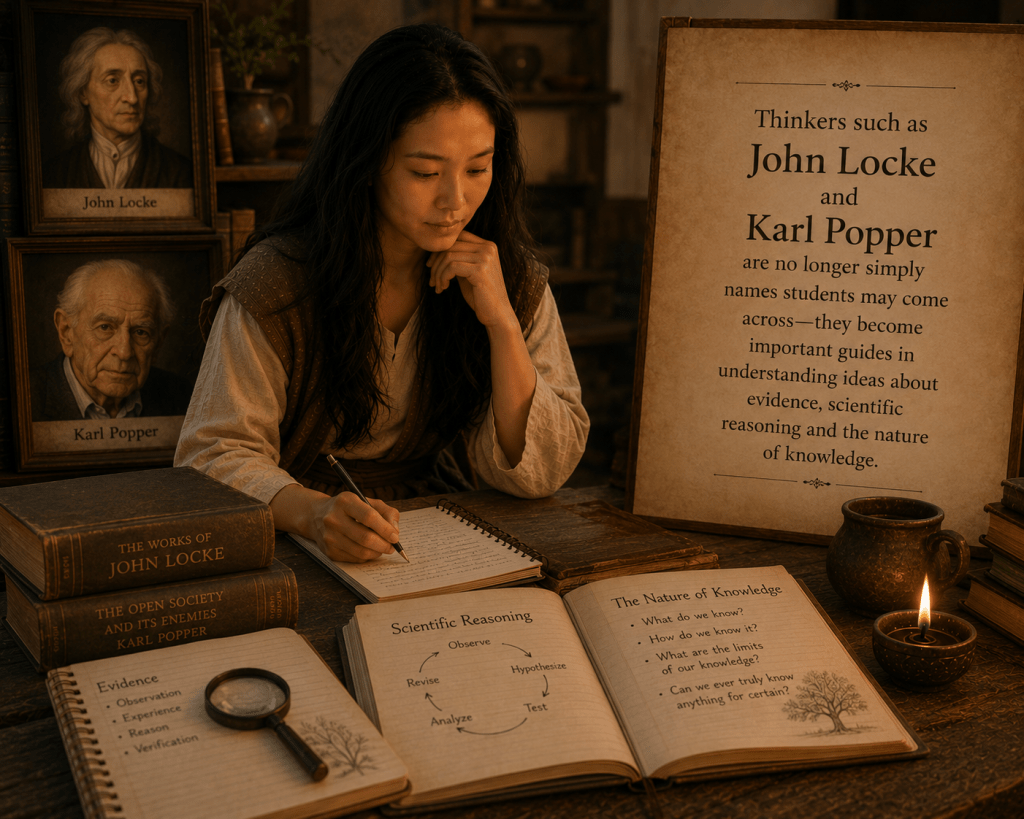
Another welcome feature of the refreshed syllabus is that it provides students with a stronger foundation by introducing key philosophers and concepts more explicitly. Thinkers such as John Locke and Karl Popper are no longer simply names students may come across—they become important guides in understanding ideas about evidence, scientific reasoning and the nature of knowledge.

Learning philosophy has never been about agreeing with these thinkers. Instead, students learn to question them, challenge them and build upon their ideas. In many ways, that is exactly what philosophy has always encouraged: respectful disagreement in the pursuit of deeper understanding.

The syllabus also introduces a consistent inquiry framework that students can apply across different topics. Whenever they encounter a new claim or idea, they are encouraged to ask questions such as:

  • Who produced this knowledge?
  • What evidence supports it?
  • What assumptions are being made?
  • How might culture, history or politics have shaped it?
  • Who benefits from this knowledge, and who might be affected by it?

These questions are useful far beyond the classroom. Whether students are reading the news, evaluating social media posts or discussing scientific breakthroughs, they are learning to pause, examine and think before accepting information at face value.

Perhaps that is the greatest value of philosophy today. It teaches students not what to think, but how to think.

The refreshed syllabus also places greater emphasis on intellectual qualities such as humility, open-mindedness and conscientiousness. These may sound like simple values, but they are becoming increasingly important in a world where opinions spread quickly and certainty is often mistaken for wisdom.

Being intellectually humble means recognising that we might not have all the answers. Being open-minded means being willing to consider different perspectives. Being conscientious means taking care to evaluate evidence before forming conclusions. These habits of mind are valuable not only in examinations but throughout life.

The updated KI syllabus reminds us that philosophy is not a subject trapped in the past. It is a living discipline that continues to help us make sense of an ever-changing world. While the questions may take on new forms—from artificial intelligence to emerging technologies—the skills that philosophy develops remain remarkably constant: curiosity, careful reasoning and thoughtful reflection.

As the world changes, our education must change too. The refreshed Knowledge and Inquiry syllabus shows that philosophy is more than capable of keeping pace. In fact, it may be one of the subjects best equipped to help students navigate uncertainty with confidence, integrity and wisdom.

In the end, philosophy is not about having all the answers. It is about learning to ask better questions. And in today’s rapidly changing world, that may be one of the most valuable lessons of all.

Applying Agile Principles to My New Assignment

Starting my new assignment, I decided to approach it as a project rather than simply another piece of coursework. Instead of jumping straight into the tasks, I wanted to apply Agile project management principles to help me stay organized while remaining flexible enough to deal with uncertainty.

The first step was defining the project’s scope. I identified the key deliverables, deadlines, and objectives outlined in the assignment brief. Breaking the assignment into smaller, manageable tasks allowed me to understand what needed to be completed and estimate the time required for each activity. Establishing a clear scope also helped prevent unnecessary work and ensured I remained focused on meeting the assignment requirements.

Although Agile is often associated with iterative and adaptive planning, I chose to begin with a predictive approach. At the start of the project, I developed a schedule based on the information available, allocating time for research, planning, execution, review, and final submission. This gave me a structured roadmap and helped me manage my workload effectively.

However, I also recognized that not everything could be predicted from the outset. One source of uncertainty was the introduction of a new student who would be involved in the assignment. Since I did not yet know their working style, communication preferences, or level of experience, it was difficult to plan every aspect of the collaboration in advance. Rather than treating this uncertainty as a risk that would derail the project, I decided to embrace an Agile mindset by remaining open to adaptation.

As the assignment progresses, I plan to regularly review my progress and make adjustments where necessary. If the new student’s availability, ideas, or working approach differ from my initial expectations, I will update my plan accordingly. This may involve redistributing tasks, modifying timelines, or improving communication to ensure the project continues to move forward effectively.

Applying Agile principles in this way allows me to combine the strengths of both predictive and adaptive project management. The predictive plan provides direction and structure, while the Agile mindset enables me to respond to changes without losing sight of the project’s objectives. This balanced approach helps reduce uncertainty, encourages continuous improvement, and increases the likelihood of delivering a successful outcome.

Overall, viewing my assignment as a project has changed the way I approach my work. Rather than following a rigid plan or reacting to challenges as they arise, I now have a clear framework that provides both stability and flexibility. By defining the scope, establishing an initial predictive plan, and adapting as new information becomes available—particularly regarding collaboration with the new student—I am better prepared to manage change and successfully complete the assignment.

Looking ahead, I have also recognized the need to prioritize my workload strategically. It is very likely that my main focus for the coming month will be learning the NTUC course content rather than spending excessive time worrying about smaller assignments. Based on the upcoming schedule, I expect August and September to be significantly more intensive, with a heavier workload and tighter deadlines. By acknowledging this early, I can plan my time more effectively, ensuring that I build a strong foundation in the NTUC course while still keeping up with assignment requirements. This reflects an Agile mindset of continuously reviewing priorities and adapting plans as circumstances change, allowing me to focus my effort where it will have the greatest impact.

When God Writes a Story You Never Planned

When God Writes a Story You Never Expected

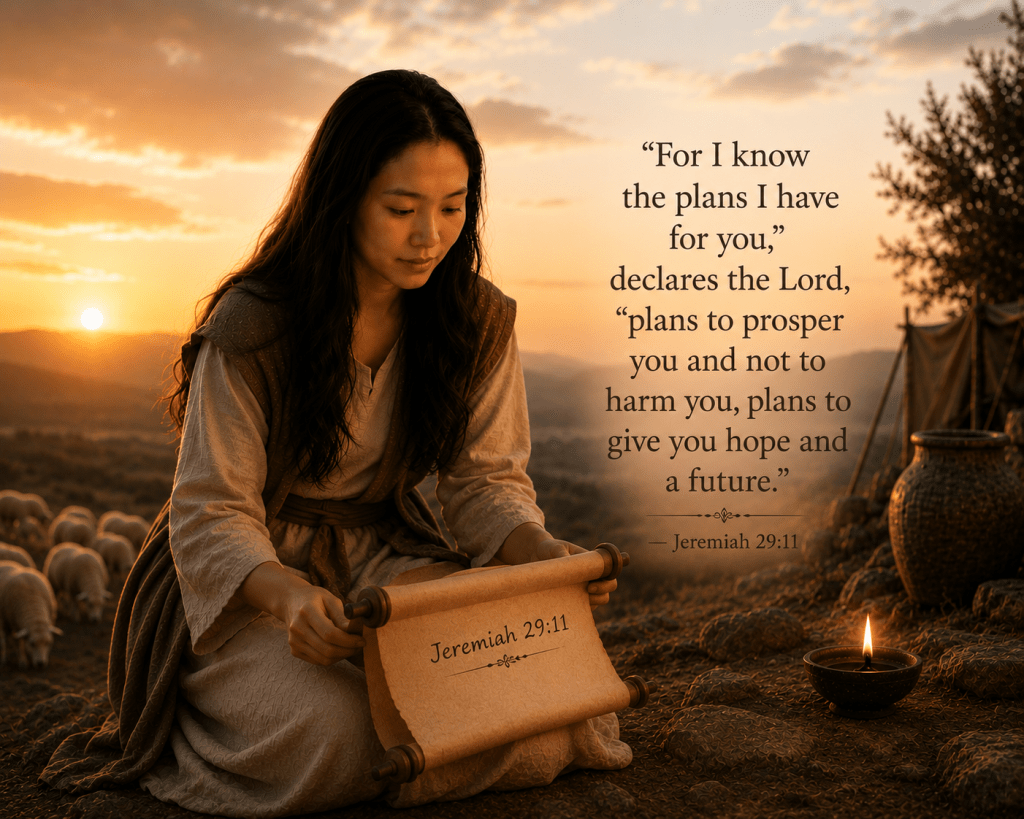
“For I know the plans I have for you,” declares the Lord, “plans to prosper you and not to harm you, plans to give you hope and a future.”Jeremiah 29:11 (NIV)

There are seasons in life when we wonder if we’re falling behind.

We compare our timelines with others. Some people seem to know exactly what they want to do from the beginning, while others, like me, find themselves walking a path that twists and turns in unexpected ways.

Looking back, my journey has been anything but conventional.

I studied philosophy, which taught me to ask deeper questions about life, truth, and purpose. Years later, I pursued counselling and psychotherapy, learning to listen with compassion and understand the struggles people carry. Then I explored virtual events and digital production, discovering how technology could bring people together. Now, I’m completing my studies as an Artificial Intelligence Specialist in Data Operations.

If someone had told me years ago that I would one day be studying AI, I probably would have laughed.

But God already knew.

One of the beautiful truths of Scripture is that God isn’t surprised by the chapters of our lives. While we often focus on the next step, He sees the entire journey.

Proverbs 3:5–6 reminds us:

“Trust in the Lord with all your heart and lean not on your own understanding; in all your ways submit to Him, and He will make your paths straight.”

Notice that it doesn’t say we must understand every twist in the road. It simply invites us to trust.

Sometimes, God prepares us in ways we don’t immediately recognize.

The philosophy degree sharpened my thinking.

Counselling taught me empathy.

Artificial intelligence is teaching me how technology can serve people.

Individually, these experiences may seem unrelated. Together, they form a picture that only God could have been painting all along.

Perhaps that’s how faith often works.

God rarely gives us the whole blueprint. Instead, He asks us to take the next faithful step.

There were moments when I questioned whether I had made the wrong choices. Times when I wondered why my path looked so different from those around me. Yet with each passing year, I can see that every season had a purpose, even when I couldn’t understand it.

Romans 8:28 offers this comforting promise:

“And we know that in all things God works for the good of those who love Him, who have been called according to His purpose.”

“All things” includes the waiting.

It includes the detours.

It includes the unanswered questions.

It includes the dreams that changed.

God wastes nothing.

As I prepare to step into the world of AI and new career opportunities, my prayer isn’t simply for success. My prayer is that wherever God leads me, I will remain faithful, humble, and willing to serve.

Technology is advancing rapidly, but our greatest need remains the same: wisdom, compassion, integrity, and love. These qualities cannot be replaced by algorithms. They are cultivated through walking with Christ.

Perhaps you’re reading this while feeling uncertain about your own future.

Maybe your plans haven’t unfolded the way you expected.

Maybe you’re wondering whether you’ve missed God’s calling.

Take heart.

God’s timing is not our timing.

Your journey doesn’t have to look like someone else’s to have purpose.

Every lesson you’ve learned, every challenge you’ve faced, every unexpected turn may be preparing you for something you cannot yet see.

Keep trusting.

Keep learning.

Keep praying.

And remember that the Author of your story has never lost sight of the ending.

A Prayer

Heavenly Father,

Thank You for guiding us even when we cannot see the road ahead. Help us to trust Your plans over our own and to remain faithful in every season. Give us wisdom to use the gifts You’ve given us for Your glory and to serve others with humility, compassion, and integrity. When we feel uncertain or discouraged, remind us that You are always working behind the scenes for our good. May our lives reflect Your love in everything we do.

In Jesus’ name,
Amen.

Faith That Stands, Hearts That Adapt

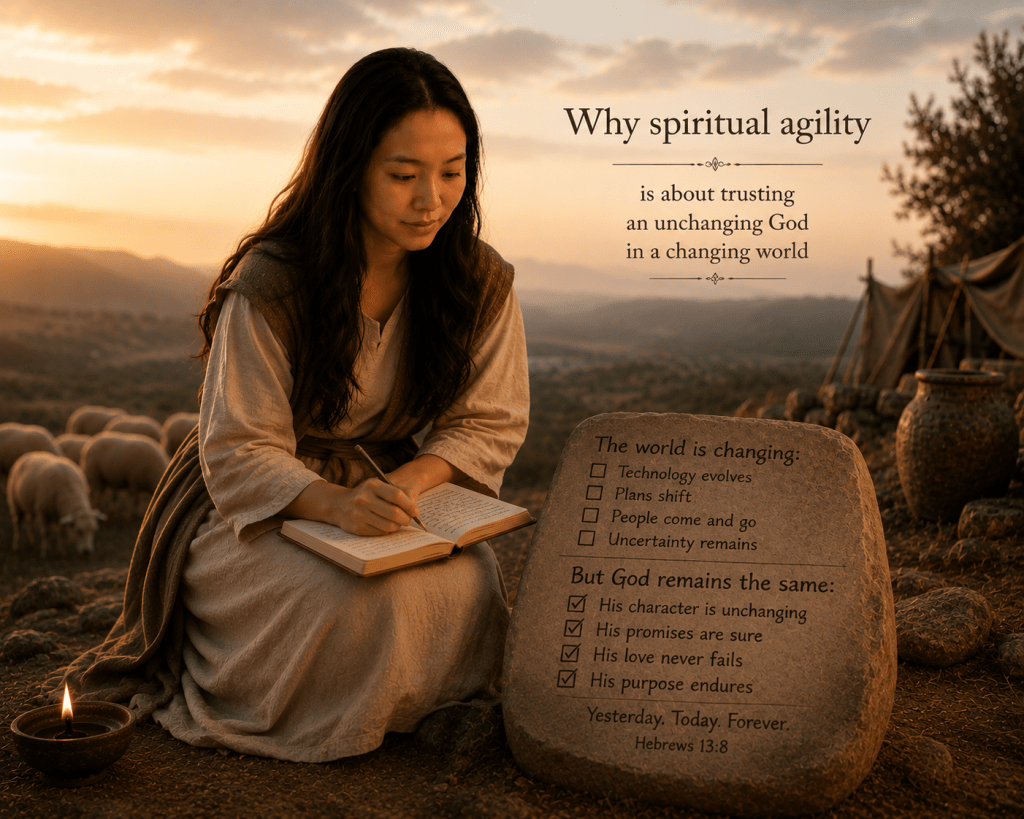
Why spiritual agility is about trusting an unchanging God in a changing world

The pace of change today is relentless.

Technology evolves overnight. Careers shift unexpectedly. Plans that seemed certain yesterday can disappear in a moment. We are constantly encouraged to reinvent ourselves just to keep up.

Yet, while the world celebrates adaptability, Scripture points us to something deeper.

Our faith is not anchored in changing circumstances but in an unchanging God.

“Jesus Christ is the same yesterday and today and forever.” — Hebrews 13:8

There is a paradox in the Christian life. God never changes, yet He continually changes us.

Abraham left everything familiar because he trusted God’s promise. Moses had to exchange the security of the wilderness for the uncertainty of confronting Pharaoh. Peter left his fishing nets to become a fisher of men. Paul abandoned his former identity to pursue Christ wholeheartedly.

None of them knew exactly what lay ahead. What they shared was a willingness to follow wherever God led.

Faith is not resisting change for the sake of comfort. Faith is remaining steadfast in God while being willing to move when He calls.

Sometimes God invites us to learn new skills. Sometimes He closes one door to open another. Sometimes He strips away what we thought defined us so that our identity can rest more fully in Him.

This can be unsettling. We naturally cling to what is familiar. Yet every season of change is also an opportunity to discover God’s faithfulness in a fresh way.

The question is not, “How do I avoid change?”

The better question is, “Am I willing to trust God through it?”

Just as a tree survives storms because its roots run deep, believers endure life’s uncertainties because their hope is rooted in Christ.

Our methods may change.
Our responsibilities may change.
Our circumstances may change.

But God’s character never changes.

And that is where true confidence is found.

Reflection

  • Is there an area of your life where you’re resisting change because of fear rather than faith?
  • What might God be teaching you through your current season of transition?
  • How can you remain rooted in Christ while stepping faithfully into the unknown?

Prayer

Heavenly Father,

Thank You that You never change, even when everything around me does. Help me to place my confidence not in my own plans, abilities, or circumstances, but in Your unchanging love and faithfulness. Give me the courage to follow wherever You lead, the humility to keep learning, and the wisdom to discern Your direction. May every change I experience draw me closer to You and shape me more into the likeness of Christ.

In Jesus’ name, Amen.

When God Builds Bridges

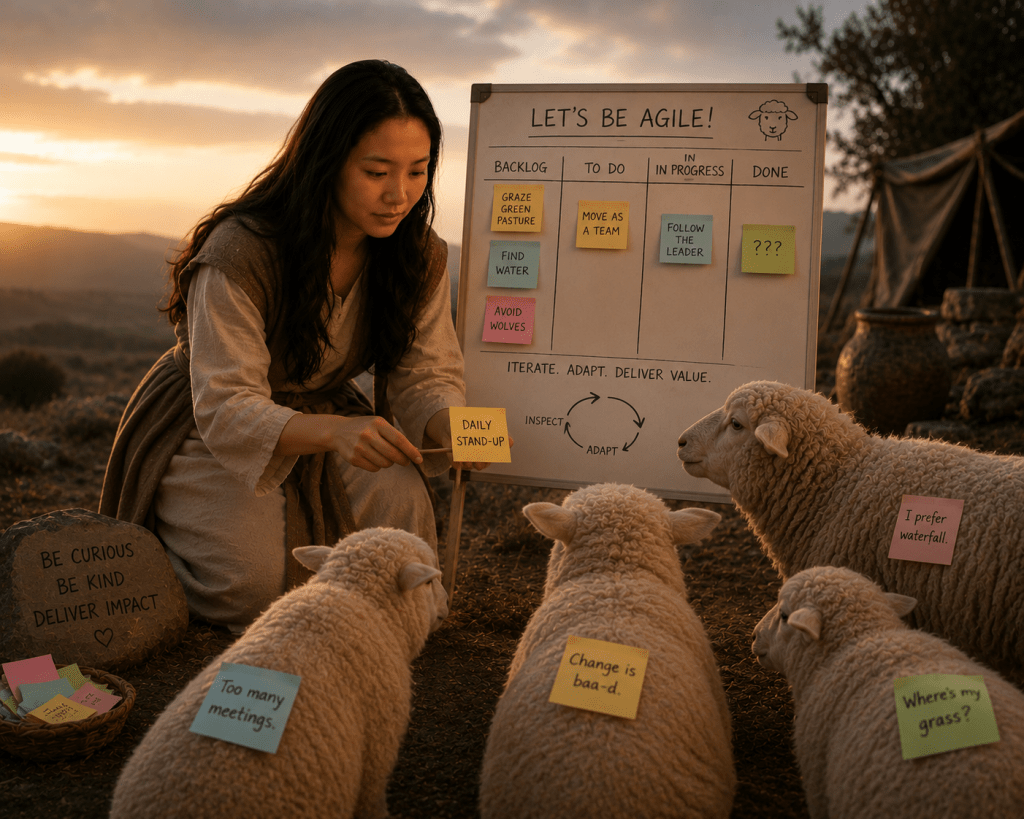
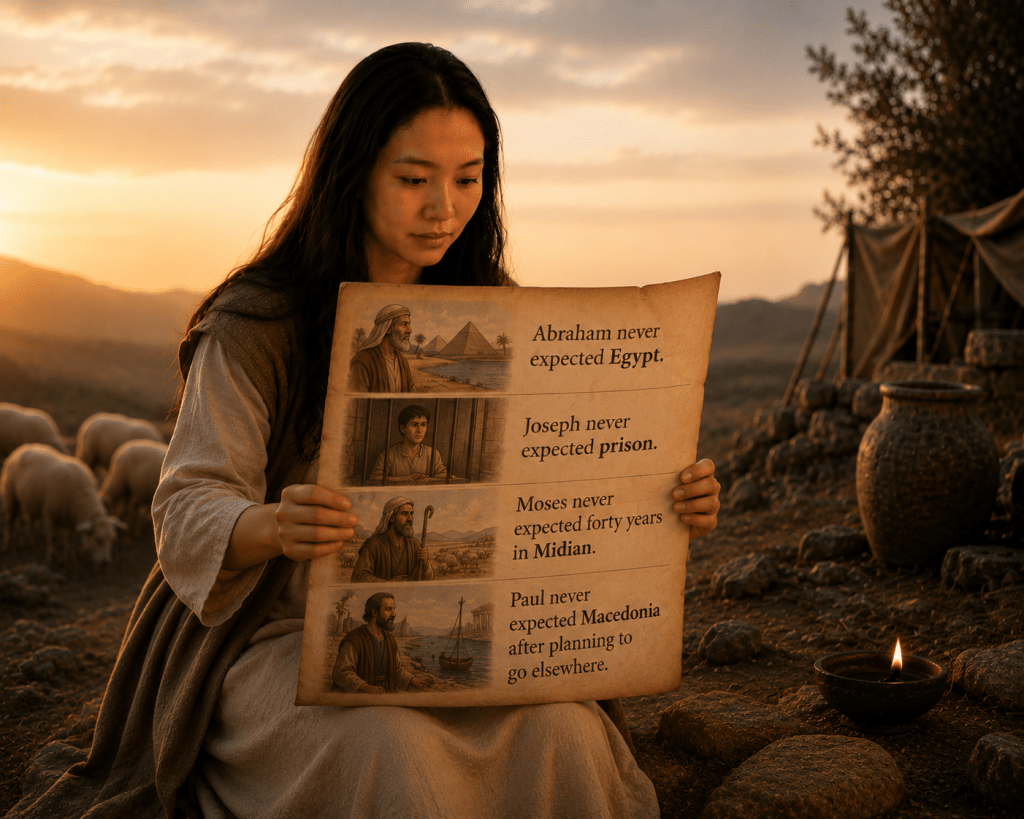
A recent image made me smile. It showed a shepherd holding what looked like an Agile planning board. Instead of software features, the backlog contained things like:

  • Graze greener pasture
  • Find water
  • Avoid wolves

The sprint board listed tasks such as:

  • Move as a team
  • Follow the leader

One sheep wore a sticky note that read:

“I prefer waterfall.”

Another complained:

“Too many meetings.”

Another simply asked:

“Where’s my grass?”

It was funny. But the more I looked at it, the more I realized it wasn’t just poking fun at Agile. It was quietly describing us.

Sheep Don’t Like Change

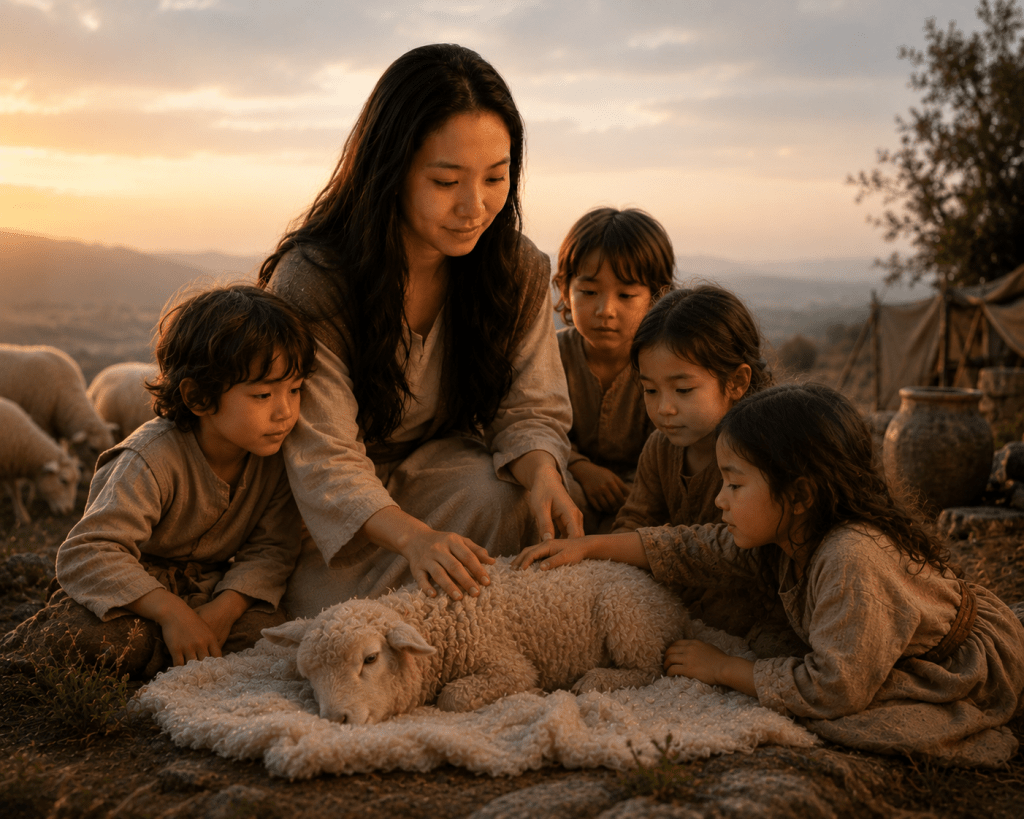
Sheep prefer familiar paths. If there is grass today, they would rather stay than move. Yet every shepherd knows something the sheep do not.

Today’s pasture will eventually run out.

The flock must keep moving. Not because the shepherd enjoys change. But because the shepherd sees what lies ahead. Isn’t that often how God leads us?

Sometimes we are comfortable. Then suddenly our workplace restructures.

New technology appears. AI changes the way we work. Job descriptions evolve.

Our first reaction is often:

“Can’t we just do things the way we’ve always done them?”

Perhaps we are more like the sheep with the sticky note than we’d like to admit.

“I prefer waterfall.”

Agile Is Not About Constant Change

One misunderstanding about Agile is that it celebrates change for its own sake.

It doesn’t. The Agile Manifesto values responding to change over following a rigid plan.

Notice the wording. It doesn’t reject planning. It recognizes that reality changes.

The destination remains. The route may need adjusting. That’s remarkably similar to walking with God. God’s purpose never changes. But He often changes our path.

Abraham never expected Egypt.

Joseph never expected prison.

Moses never expected forty years in Midian.

Paul never expected Macedonia after planning to go elsewhere.

Their mission remained God’s.

Their route kept changing.

https://www.straitstimes.com/singapore/govtechs-restructuring-reflects-what-is-expected-of-agile-tech-teams

The Good Shepherd Is Always Inspecting and Adapting

Every Agile team regularly pauses to ask:

  • What’s working?
  • What’s not?
  • What should we change?

Spiritually, isn’t that what God continually invites us to do?

Scripture repeatedly calls believers to examine their hearts.

Not because God needs information. Because we need transformation.

Sometimes we cling to methods that once worked but are no longer what God is asking of us.

Sometimes we mistake familiarity for faithfulness.

The Shepherd gently moves the flock because He sees dangers and opportunities we cannot.


Building Bridges

A recent Straits Times article described how organizations increasingly seek people who can speak both the language of business and the language of technology.

People who can walk into an executive meeting one moment and build software the next.

Reading that article reminded me that every bridge begins with understanding both sides.

Perhaps that is what God has been teaching me over the past few weeks.

First came Gideon’s fleece. Then my Project Management course. Then GovTech’s shift toward product thinking.

Now this article about people who bridge business and technology. Perhaps these aren’t isolated lessons. Perhaps God is quietly teaching me to become a bridge. Not simply between business and technology. But between ideas and people. Between planning and action. Between faith and work.


Agile Begins With Listening

One of Agile’s core practices is listening. Teams listen to users. Developers listen to feedback. Product Owners listen to changing needs. The best Agile teams don’t stubbornly insist they already know all the answers.

They remain teachable. James writes:

“Everyone should be quick to listen, slow to speak and slow to become angry.” (James 1:19)

That sounds surprisingly Agile. Godly wisdom has never been rigid. It listens. It learns. It responds faithfully.


Following the Shepherd

The image ends with one sheep asking,

“Where’s my grass?”

I laughed.

Then I realized I’ve asked God similar questions.

Where’s the certainty? Where’s the roadmap? Where’s the future?

The sheep only sees today’s pasture.

The shepherd sees tomorrow’s.

Perhaps following Christ has always been the ultimate Agile journey.

Not because God is constantly changing His mind.

But because He invites us to trust Him one step at a time.

The flock doesn’t need to know the entire route.

It only needs to stay close to the Shepherd.


Becoming Before Arriving

The Straits Times article focused on the kind of workers organizations want.

The Agile image reminded me of the kind of followers God desires.

People who remain curious. People who keep learning. People who adapt without compromising truth. People who trust the Shepherd even when the next pasture isn’t visible.

Technology will continue to evolve. Project management will mature. Product management will change. Artificial intelligence will reshape industries.

But one thing remains unchanged. The voice of the Good Shepherd.

“My sheep listen to my voice; I know them, and they follow me.”
John 10:27

Perhaps becoming “agile” isn’t merely about delivering software faster.

Perhaps, spiritually speaking, it is about cultivating a heart that is responsive to God’s leading—anchored in His unchanging character, yet willing to follow Him wherever He leads.

When the Lesson Meets the Headline

What Gideon’s Fleece Taught Me About Learning Project Management in a Changing World

“Give me a sign that it is really You talking to me.”Judges 6:17

Some days have a way of making you stop and pay attention.

The week began with a devotion on Gideon’s fleece—a story about a man who wanted reassurance before stepping into the calling God had placed before him.

Later that week I attended the first module of my Project Management course.

Then came the news.

GovTech announced a major restructuring. The purpose was clear:

The restructuring is meant to take GovTech from managing projects delivered by vendors to running technology products itself.

When I read those words, I couldn’t help but pause.

Here I was beginning a course on Project Management, while the organization was talking about moving beyond traditional project delivery toward in-house product management.

The timing made me wonder.

Gideon’s Question

Gideon wasn’t questioning whether God existed.

He was questioning whether he had understood God’s direction correctly.

So he asked for confirmation.

God graciously answered by making the fleece wet while the surrounding ground remained dry.

The next day, Gideon asked again.

This time the fleece remained dry while the ground became wet.

The story has often been misunderstood as a method for making decisions.

But I believe its deeper message is something else.

It reveals a God who patiently reassures people whose hearts genuinely want to follow Him.

When the News Interrupted My Expectations

As I began learning about project management, my immediate thought was:

“Am I learning yesterday’s way of working while the industry is already moving toward tomorrow?”

It was an honest question.

The news wasn’t saying that project management no longer mattered.

It was saying something deeper.

Organizations are changing how they create value.

Instead of primarily managing projects delivered by external vendors, they want to own products, build internal capability, and continuously improve digital services.

That isn’t the end of project management.

It’s an evolution.

Preparation Before Purpose

As I reflected on Gideon’s story, I realized something.

God often prepares people before they understand why.

Joseph learned administration long before he governed Egypt.

David learned leadership while tending sheep before he became king.

Moses spent decades in the wilderness before leading Israel through it.

Preparation rarely feels exciting while we’re living it.

Only in hindsight do we recognize how every lesson had a purpose.

Perhaps learning project management is similar.

Maybe it isn’t the final destination.

Maybe it’s part of God’s preparation for whatever comes next.

The skills I’m learning today—planning, communication, stakeholder engagement, leadership, governance, and managing change—will remain valuable regardless of whether my future title is Project Manager, Product Manager, Business Analyst, or something entirely different.

The Fleece Was Never the Goal

What struck me most wasn’t whether the news was a “sign.”

The more important question became:

What is God teaching me through this moment?

Gideon’s fleece wasn’t meant to keep him looking for more signs.

It was meant to give him enough confidence to take the next step.

Likewise, I don’t think God is asking me to predict where technology or my career will be five years from now.

He’s asking me to faithfully learn what He has placed before me today.

To stay curious. To stay teachable.To remain open. To trust Him.

Walking Forward

The world of technology will continue to evolve.

Job titles will change. Methodologies will come and go.

Organizations will restructure. But God’s faithfulness doesn’t change.

Looking back, I don’t know whether the timing of the devotion, the course, and the GovTech announcement was simply an interesting coincidence or one of God’s quiet reminders.

I don’t need to know.

What I do know is this: God often uses ordinary moments to shape extraordinary trust.

Just as Gideon eventually moved forward in faith after receiving reassurance, I want to move forward with confidence—not because I know exactly where my career is heading, but because I know the One who does.

“Trust in the Lord with all your heart and lean not on your own understanding; in all your ways submit to Him, and He will make your paths straight.”
Proverbs 3:5–6

Perhaps the real lesson wasn’t about project management or product management at all.

Perhaps it was about learning to trust God while He quietly prepares me for the future I cannot yet see.

Day 1 of Project Management: Feeling Ancient, Yet Led by the Good Shepherd

There is something humbling about becoming a beginner again.

Today marked my first day of Project Management training. Walking into the classroom, I was excited—but I also quickly realised just how much the world has changed.

It has been years since I last worked extensively with modern workplace technologies. As trainers introduced collaborative platforms, digital project tools, cloud-based systems, and AI-powered features, I couldn’t help but smile to myself.

“Wow… I feel ancient.”

There were moments when everyone seemed to navigate the software effortlessly while I was still figuring out where certain buttons were. Technology has evolved so quickly that it almost felt like stepping into another world.

For a brief moment, I wondered if I had fallen too far behind.

Then God gently reminded me of something much greater.

“The Lord is my shepherd; I shall not want… He leads me beside still waters… He restores my soul. He leads me in paths of righteousness for His name’s sake.” (Psalm 23:1–3)

A shepherd does not only lead sheep through familiar green pastures.

He also leads them through unfamiliar valleys, winding mountain paths, and terrain they have never travelled before.

The sheep don’t need to know every twist and turn.

They simply need to stay close to the Shepherd.

That was exactly how today felt.

I may not understand every new technology immediately.

I may need a little more time to adjust.

But none of that changes who walks beside me.

God has faithfully guided me through every season of my life—through university, career changes, uncertainty, waiting, closed doors, and new beginnings.

Why would He stop now simply because the world has become more digital?

One verse kept echoing in my heart throughout the day:

“Trust in the Lord with all your heart and lean not on your own understanding; in all your ways submit to Him, and He will make your paths straight.” (Proverbs 3:5–6)

My understanding tells me,
“You’re behind.”

God tells me,
“Keep following Me.”

My understanding says,
“Everyone else seems ahead.”

God says,
“I’ve prepared good works for you to walk in.”

My understanding focuses on the unfamiliar technology.

God focuses on the person He is shaping through the journey.

Perhaps learning project management is about far more than mastering schedules, risk registers, stakeholder management, or project planning.

Perhaps God is teaching me to become teachable again.

To embrace humility.

To be comfortable not knowing everything.

To trust Him one lesson, one click, and one step at a time.

Looking back on today, I realised that although the software was new, the Shepherd was not.

His voice is still familiar.

His faithfulness is still constant.

His guidance has never failed me.

So I leave Day 1 not with confidence in my own technical ability, but with confidence in the One who has never led me astray.

The terrain may be new.

The Shepherd is the same.

And that’s enough.

“Even there Your hand shall lead me, and Your right hand shall hold me.”Psalm 139:10

Heavenly Father,

Thank You for walking with me through the first day of this new journey in Project Management. As I close this day, my heart is filled with gratitude. Thank You for giving me the courage to begin, the focus to learn, and the confidence that slowly returned as I refreshed my routines and completed my first lesson.

I am especially thankful for the unexpected message on LinkedIn. It felt like a gentle reminder that You are always at work, even when I cannot see what lies ahead. Just as I was rebuilding my confidence, You opened a conversation about a role in events or programme work—an opportunity that aligns with my interests. Whether this is the path You have prepared or simply an encouragement along the way, I receive it with gratitude.

Lord, grant me wisdom as I respond. Help me to be authentic, prepared, and discerning. If this opportunity is meant for me, open the right doors and guide every conversation. If You have something even better in store, give me the patience and trust to wait for Your timing.

Thank You for reminding me that progress often comes one faithful step at a time. Today was more than just the completion of a lesson—it was the renewal of hope. Help me continue building good habits, growing in knowledge, and becoming someone who serves others with excellence, humility, and integrity.

As I rest tonight, quiet every anxious thought and replace it with peace. Let tomorrow bring fresh energy, deeper understanding, and new opportunities to learn, contribute, and grow. May I never forget that my confidence is not rooted in circumstances, but in the gifts and purpose You have placed within me.

Thank You for today’s small victories, unexpected encouragements, and reminders that You are faithfully leading me, one day at a time.

In Jesus’ name, Amen.

The Roller Coaster Before the Journey

“Trust in the Lord with all your heart and lean not on your own understanding.” — Proverbs 3:5

Just before the start of my course, I had a dream that has stayed with me.

I found myself in an incredible theme park unlike anything I had ever seen. Towering above me were ultra-high roller coasters that reached into the sky. They looked intimidating, yet strangely inviting.

Instead of watching from a distance, I got on the rides.

The climbs were steep.

The drops were exhilarating.

The twists and turns came unexpectedly.

Yet through it all, I wasn’t overwhelmed.

I was enjoying the journey.

When it was finally time to leave the theme park, I felt reluctant to go. I wanted to stay longer.

When I woke up, I wondered why this dream had come just before my course began.

Embracing the Unknown

Life often feels like a roller coaster.

We rarely know what the next turn will bring.

There are seasons of rapid change, moments of uncertainty, and unexpected opportunities that stretch us beyond our comfort zones.

If I had seen the entire track before stepping on the ride, I might have hesitated.

But once I was on it, I discovered that the journey itself was part of the adventure.

Perhaps faith is much the same.

God rarely shows us the entire path ahead.

Instead, He invites us to trust Him one step, one lesson, and one season at a time.

Growth Can Be Exciting

One detail from the dream continues to encourage me.

I wasn’t trying to escape the roller coaster.

I wanted to keep riding.

That surprised me.

Sometimes we think growth only comes through hardship.

But perhaps God also grows us through joy.

Through learning.

Through discovering new gifts.

Through meeting new people.

Through experiences that awaken wonder and gratitude.

Maybe the course ahead wasn’t something to fear.

Maybe it was an invitation to enjoy the process of becoming.

Every Ride Has a Purpose

Roller coasters are carefully designed.

Every climb prepares for a descent.

Every turn has a purpose.

Every moment contributes to the experience.

Our lives often feel random.

But God sees the whole track.

Even when we cannot understand why certain events happen, we can trust the One who designed the journey.

Romans 8:28 reminds us that God works in all things for the good of those who love Him.

Not every twist feels comfortable.

But every twist can shape us.

Reluctant to Leave

Perhaps the most beautiful part of the dream was my reluctance to leave.

That told me something.

I wasn’t merely enduring the experience.

I was enjoying it.

Looking back, I wonder if the dream was gently preparing my heart to embrace a new season with curiosity rather than fear.

To stop asking, “What if I can’t do this?”

And instead ask,

“What might God teach me along the way?”

The Journey of Faith

As I reflect on this dream, I’m reminded that following Christ is not simply about reaching a destination.

It’s about walking with Him through every climb and every descent.

Some seasons are quiet.

Others are fast-paced and unexpected.

But in every season, God remains faithful.

The future may feel like an unfamiliar roller coaster.

There may be moments when I grip the safety bar a little tighter than I’d like to admit.

Yet I know this:

The One who calls me is also the One who walks with me.

And because of that, I can embrace the journey with hope.

Not because I know every turn ahead—

but because I know the One who does.

Perhaps the greatest lesson from the dream is this:

Faith is not about avoiding the ride. It is about trusting God enough to enjoy the journey He has prepared for us.

When God Answers with More Than We Asked For

Reflections on Gideon’s Fleece and Learning to Trust God’s Timing

“Give me a sign that it is really You talking to me.”Judges 6:17

This morning’s devotion, “God at Work,” centered on one of the most well-known stories in the Bible—Gideon and the fleece (Judges 6:36–40). It’s a passage many Christians are familiar with, yet one that is often misunderstood.

At first glance, it seems like a story about asking God for signs. But as I spent time reflecting on the devotion, I realized it is actually a story about God’s incredible patience with a hesitant servant.

The Story Behind the Fleece

Before Gideon ever laid out the fleece, God had already spoken to him.

Israel was living under the oppression of the Midianites because they had turned away from the Lord. God chose Gideon—a man who saw himself as weak and insignificant—to deliver His people.

Gideon’s response wasn’t confidence.

It was uncertainty.

Although the Angel of the Lord had appeared to him and assured him of God’s presence, Gideon still struggled with fear. He wondered whether he had truly heard from God. So he prayed:

“If You are really going to save Israel through me, as You have promised, let the fleece be wet with dew while the ground remains dry.”

God graciously answered.

The next morning, Gideon wrung enough water from the fleece to fill a bowl.

Still uncertain, Gideon asked once more—this time requesting the opposite: that the fleece remain dry while the ground became wet.

Again, God answered.

The remarkable part of the story isn’t the miracle itself.

It’s God’s patience.

Rather than rebuking Gideon for his fear, God met him where he was and gave him the reassurance he needed to obey.

The Devotion’s Deeper Message

The morning devotion also shared the story of a man named Jay, who prayed something similar:

“If You want me to believe in You, do something I can’t explain.”

Soon afterward, he discovered a Gideon Bible in an unexpected place—an experience he believed God used to begin drawing him toward faith.

The devotion wisely reminds us that this doesn’t mean we should constantly ask God for signs.

Instead, it teaches us something even more beautiful:

God knows our hearts.

He understands our fears, our questions, and our desire for reassurance.

Sometimes He answers in extraordinary ways.

More often, He works quietly through ordinary circumstances.

Both reveal His faithfulness.

A Personal Reflection

As I reflected on Gideon’s story, I couldn’t help but think about a recent experience in my own life.

I had applied for an assignment at my preferred level and location.

As I waited, I prayed and asked God for confirmation.

I wasn’t asking Him to prove Himself.

I simply wanted confidence that I was walking where He wanted me to walk.

Then something unexpected happened.

On the very same day, I received not one but two confirmations.

One confirmed my assignment.

Another confirmed that it would be at my preferred location.

Could it have been coincidence?

Perhaps.

Could it have been God’s providential answer to my prayer?

I believe that’s possible too.

What struck me most wasn’t simply receiving good news.

It was the timing.

The confirmations came together, almost like God gently whispering,

“I hear you. I’m already ahead of you.”

Providence Is Often Quiet

Unlike Gideon’s fleece, I wasn’t asking God to perform a miracle.

Nothing supernatural happened.

Emails were sent.

Administrative decisions were finalized.

People simply did their jobs.

Yet Christians believe that God often works through ordinary events.

The Bible calls this providence—God directing circumstances according to His purposes.

Sometimes we expect God to work only through dramatic miracles.

But throughout Scripture, we also see Him guiding people through open doors, closed doors, conversations, timing, and opportunities that seem to fit together in ways we couldn’t have arranged ourselves.

Perhaps that’s why the devotion was titled “God at Work.”

His work isn’t always spectacular. Sometimes it’s wonderfully ordinary.

Trust Beyond the Confirmation

As encouraging as these moments are, I don’t want my faith to depend on signs.

Gideon’s story didn’t end with the fleece.

The real story began after it.

He stepped forward in obedience, trusting God even when facing impossible odds with only 300 men against an overwhelming army.

The fleece wasn’t the destination. It was preparation for obedience.

Likewise, I don’t want to cling to the confirmations I received.

Instead, I want them to remind me of the God who is faithful whether life feels certain or uncertain.

Walking Forward

Looking back, I see this experience as a gentle reminder that God is intimately involved in the details of our lives.

He doesn’t always answer our prayers the way we expect.

Sometimes the answer is “wait.”

Sometimes it is “no.”

Sometimes it is “not yet.”

And every now and then, He answers with more than we asked for—not because we earned it, but because He is kind.

As I begin this new assignment, my prayer is no longer, “Lord, give me another sign.”

Instead, it is:

“Lord, thank You for leading me this far. Help me trust You even when I don’t receive confirmations. Let me walk by faith, knowing that whether Your guidance comes through miracles or through ordinary moments of providence, You are always at work.”

“Trust in the Lord with all your heart and lean not on your own understanding; in all your ways submit to Him, and He will make your paths straight.” (Proverbs 3:5–6)

Design a site like this with WordPress.com
Get started