Dreaming of a Holiday — and Trusting God for More

Not in a restless, escapist way. Just that gentle longing for fresh air, new scenery, unfamiliar streets, and the kind of rest that feels earned. Sometimes it’s a beach. Sometimes it’s a quiet city with cafés tucked into corners. Sometimes it’s just the feeling of stepping away.

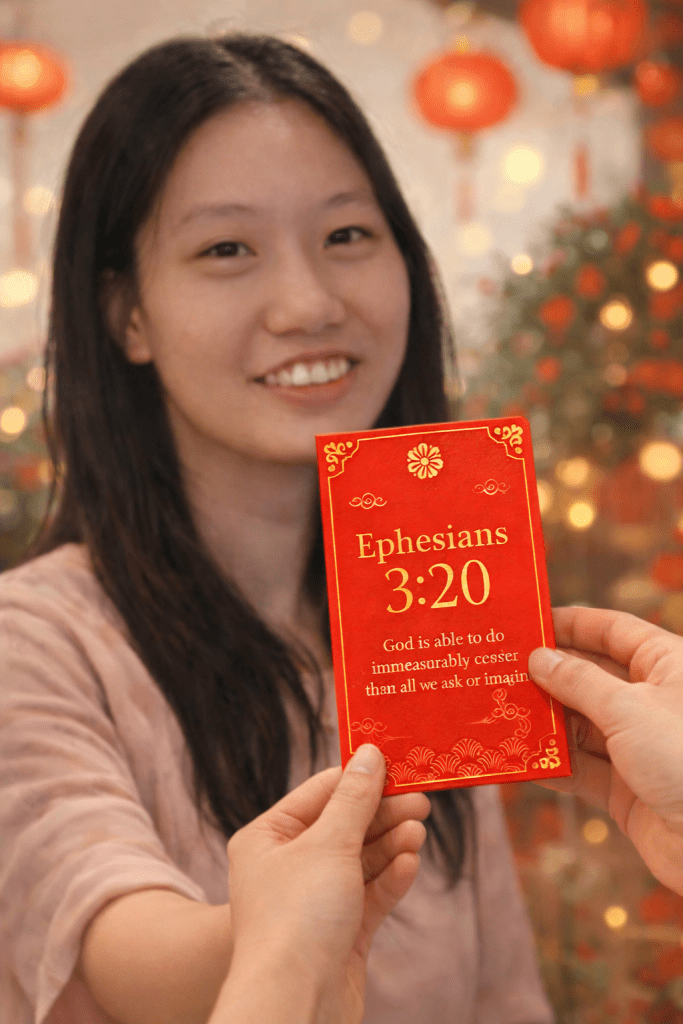
And in the middle of those thoughts, Ephesians 3:20 comes to mind:

God is able to do immeasurably more than all we ask or imagine, according to His power at work within us.

That verse shifts how I even think about a holiday.

More Than Just a Trip

A holiday can seem simple — plane tickets, accommodation, time off. Something you plan, budget, and schedule.

But what if the desire itself is about more than travel?

What if it’s about rest?
About reward?
About experiencing God’s creativity in a different environment?
About stepping into a wider perspective?

Sometimes we limit Ephesians 3:20 to big, dramatic breakthroughs. But “more than we ask or imagine” can include joy. Expansion. Unexpected opportunities. Even moments of refreshment we didn’t see coming.

When Wishing Meets Faith

It’s easy to wish casually: “I hope I can travel someday.”

But Ephesians 3:20 reminds me that God isn’t confined to my current calculations. He sees provision I don’t see yet. Openings I haven’t anticipated. Timing I can’t map out.

That doesn’t mean I sit back and do nothing. It means I hold my desires with trust instead of anxiety.

I can dream without pressure.
I can plan without panic.
I can hope without forcing.

The Power at Work Within

What strikes me most about the verse is the phrase “according to His power at work within us.”

That means God’s work isn’t only external — it’s internal.

Maybe before the holiday comes the internal shift:

  • Learning to rest before I travel.
  • Practicing gratitude before I arrive.
  • Expanding my mindset before I change locations.

Sometimes the “more” begins in the heart before it shows up on the itinerary.

Living with Expectation, Not Entitlement

There’s a difference between expecting God to move and demanding that He deliver a specific outcome.

Ephesians 3:20 encourages bold expectation. God is able. God exceeds. God surprises.

But it also keeps me grounded. The outcome belongs to Him.

If the holiday comes sooner than I imagine — that’s grace.
If it comes differently than I imagine — that’s wisdom.
If it delays but prepares me in the process — that’s growth.

Either way, His “more” is never less than what I truly need.

Dreaming Forward

So yes, I’m wishing about going on holiday.

But I’m also trusting that God’s plans stretch beyond my small mental picture. He can open doors I haven’t knocked on yet. He can provide in ways I haven’t calculated. He can exceed not only my travel plans, but my understanding of rest itself.

Maybe the next destination is closer than I think.
Or maybe the greater journey is what He’s doing within me first.

Either way, I’ll keep dreaming — not anxiously, but faithfully.

Because the God who does immeasurably more is still writing this season’s story.

Exploring a New Country and Leaving the Old Behind

The other night, I dreamed I was exploring a new country for a holiday.

Everything felt unfamiliar in the best way. New streets. New air. New conversations. I wasn’t rushing. I wasn’t searching for anything. I was simply there — present, curious, open.

There was no weight from the past in that dream. No former routines. No old environments. Just discovery.

And when I woke up, one thought stayed with me: sometimes growth feels like travel.

The Beauty of Being Somewhere New

When you visit a new country, you don’t expect it to look like home. You don’t compare every street corner to what you left behind. You accept that things are different — and that’s the point.

You learn new routes.
You try new rhythms.
You pay attention more carefully.

In the dream, I wasn’t trying to recreate what I knew. I was embracing what was in front of me.

That felt significant.

Forgetting the Former Things

There’s a difference between remembering and dwelling. The former things can exist in your story without dominating your present.

In this dream, the former season didn’t even compete for attention. It wasn’t loud. It wasn’t pulling at me. It simply wasn’t central anymore.

That’s what moving forward often looks like.

You don’t have to fight the past every day. Sometimes you just outgrow it.

A Holiday State of Mind

What stood out most was the feeling: lightness.

Holiday mode carries freedom. It suggests you’re not under the same pressure you once were. You’re not surviving — you’re exploring.

Exploration requires confidence. It requires a willingness to step into unfamiliar spaces without needing everything to feel predictable.

Maybe that’s what this season represents: not escape, but expansion.

Growth Feels Like Travel

When you grow, it can feel like landing somewhere new internally. Your mindset shifts. Your emotional landscape changes. Things that once defined you lose their intensity.

You don’t wake up one day and declare, “I have forgotten the former things.” It happens gradually. Quietly.

One day you realize:
You’re not replaying old conversations.
You’re not anchored to old expectations.
You’re not trying to return to old environments.

You’re simply moving forward.

Living Like You’ve Arrived Somewhere New

The dream reminded me that new seasons deserve new attention. You can’t fully explore what’s ahead if you’re constantly glancing backward.

A new country requires presence.
A new season requires focus.
A new chapter requires trust.

And maybe forgetting the former things isn’t about effort. Maybe it’s about immersion — immersing yourself so fully in what God is doing now that the old landscape naturally fades into the background.

This season feels like exploration.
Like discovery.
Like stepping onto new ground with open hands.

And I intend to walk through it as if I truly have arrived somewhere new.

Photo by Shreyas Sane on Pexels.com

Lounging, Dreaming, and Letting Go: Moving Toward the Promised Land

The other night, I had a dream.

I was in full holiday mode — relaxed, unbothered, lounging like someone who had finally exhaled after a long season. The atmosphere felt light. Peaceful. Like I had arrived somewhere new.

And then, unexpectedly, I started seeing people from my former place.

Faces from an old season. Conversations that belonged to a chapter I’ve already closed. It wasn’t dramatic or negative — just noticeable. Like the past quietly walking into a space that felt very present and new.

When I woke up, the symbolism stayed with me.

The Promised Land Feels Different

In Scripture, the Promised Land wasn’t just a change of geography. It was a shift in identity. The Israelites weren’t supposed to live in Canaan with Egypt still defining them. The old season couldn’t be their reference point anymore.

Moving into promise requires mental relocation, not just physical relocation.

And sometimes, even after you’ve stepped into something new, your mind revisits the old terrain.

Photo by CGXL MEDIA on Pexels.com

Forgetting Isn’t Erasing

Isaiah 43:18 says, “Forget the former things; do not dwell on the past.”

That doesn’t mean pretending the past didn’t exist. It means refusing to let it anchor you. It means not building emotional homes in places God has already moved you from.

In my dream, I wasn’t chasing the former place. I wasn’t trying to go back. I was simply aware of it while resting in something new.

And maybe that’s growth.

The past can show up — in dreams, in memories, in random thoughts — without pulling you backward.

Holiday Mode as a Sign of Arrival

What stood out most in the dream wasn’t the people from the former place. It was my posture.

I was lounging. Resting. At ease.

That’s not the posture of someone striving to survive. That’s the posture of someone who has crossed over.

The Promised Land isn’t just about achievement. It’s about rest. About living from a place of provision instead of pressure.

When you can encounter reminders of your old season without feeling the urge to return to it, you’ve grown.

The Former Things Can’t Compete

Photo by Gildo Cancelli on Pexels.com

Sometimes we romanticize the past. Sometimes we replay it. Sometimes we feel unresolved about it. But when God moves you forward, He doesn’t invite you to drag former things into new territory.

You can acknowledge where you’ve been without rebuilding it.

You can bless what was without longing for it.

You can remember without dwelling.

That’s maturity.

Moving Forward Without Looking Back

The dream felt like confirmation more than confusion.

Yes, I’ve been somewhere else.
Yes, I’ve known different environments.
Yes, there were people attached to that chapter.

But I’m not there anymore.

And I don’t have to carry that atmosphere into this one.

The Promised Land requires presence. You can’t fully inhabit what’s new if you’re mentally redecorating what’s old.

So I’m choosing to stay in the holiday posture — relaxed, grateful, forward-facing.

The former things had their purpose.
But this is a new land.

And I intend to live in it fully.

Photo by Summer Stock on Pexels.com

This Season Isn’t About My Plan — It’s About His

There’s a subtle shift happening in me this season.

After organizing my desk, setting intentions, and stepping into a new month with fresh energy, I felt motivated. Ready. Productive. And while all of that is good, I’ve also sensed a deeper reminder underneath it all:

This isn’t ultimately about my plans.

It’s about God’s.

Photo by Pixabay on Pexels.com

When Productivity Becomes Personal

It’s easy to start believing that if I organize well enough, plan carefully enough, and work hard enough, I can manufacture the future I want. There’s a quiet pressure in that mindset. A belief that everything depends on me.

But Scripture consistently redirects that thinking. The work we do matters — but the purpose behind it belongs to God.

That realization is both humbling and freeing.

Humbled, because I’m not the architect of everything.
Freed, because I don’t have to carry the weight of being.

God’s Purposes Are Not Fragile

Sometimes we approach our goals as if they could collapse at any moment if we make one wrong move. But God’s purposes aren’t fragile. They aren’t dependent on perfect execution or flawless planning.

If He has ordained something for this season, it won’t slip through my fingers because of one imperfect step.

That truth quiets anxiety.

It shifts my posture from striving to stewarding.

Steward, Not Owner

This season, I’m learning to see my work differently.

The ideas? His.
The opportunities? His.
The timing? His.
The outcome? Definitely His.

I’m simply entrusted with obedience.

That doesn’t mean passivity. It means faithfulness. It means showing up, doing the work in front of me, and surrendering the results. It means asking less, “How can I make this happen?” and more, “God, what are You already doing, and how can I align with it?”

There’s peace in that alignment.

Photo by Pixabay on Pexels.com

Letting Go of Personal Agendas

If I’m honest, sometimes my frustration comes from trying to force my own timeline. Wanting clarity now. Wanting progress now. Wanting visible fruit now.

But when the focus shifts to God’s plan, urgency softens. I can trust that unseen work is still real work. Growth beneath the surface still counts.

Maybe this season isn’t about expansion.
Maybe it’s about preparation.
Maybe it’s about refinement.

Whatever it is, it belongs to Him.

A Different Kind of Focus

Focusing on God’s plan doesn’t mean abandoning vision. It means holding vision with open hands. It means recognizing that His “more” (Ephesians 3:20) might not look like my imagined version of success.

His purposes stretch further than my ambition ever could.

So this season, I’m choosing to focus differently:
Not on building something for myself,
but on participating in what God is building.

And that changes everything.

Because when the work and the purpose are His, I can rest — even while I labor.

Starting February 2026 with a Fresh Desk and a Fresh Mind

There’s something about the start of a new month that makes you want to reset everything. Not in a dramatic, “new year, new me” kind of way. More like a quiet shift. A small decision that says, I’m ready to be a little more intentional.

After finally settling in, I decided to mark the beginning of the new month in 2026 by doing something simple: I bought a do-it-yourself desktop organizer. Nothing fancy. Just a practical setup with rubber bands, two transparent protective boxes, and a tissue stand.

It sounds small—but it felt symbolic.

Building It Yourself Hits Different

Because it was DIY, I had to assemble it myself. Piece by piece. Fitting the panels together. Securing parts with rubber bands. Sliding the transparent boxes into place.

And while I was putting it together, I realized something: organizing your space is a lot like organizing your thoughts. It doesn’t happen instantly. You build it. Adjust it. Sometimes redo parts that don’t fit right.

There’s something grounding about physically creating order with your own hands.

The Power of Transparent Boxes

The two transparent protective boxes might be my favorite part. I can see exactly what’s inside—pens, sticky notes, small essentials. No guessing. No digging through clutter.

That visibility matters.

When things are transparent, they feel manageable. I think that’s true beyond a desk. When your space is clear, your mind feels clearer too. You’re not wasting mental energy searching for what should be right in front of you.

It’s such a small change, but it makes sitting down to work feel lighter.

Even the Tissue Stand Has Meaning

Adding a tissue stand might seem random, but it made the desk feel complete. Practical. Thought-out. Comfortable.

It’s not just about productivity—it’s about creating an environment that feels ready for real life. Studying, planning, thinking, even the occasional stress moment. It’s all part of it.

The desk now feels like a space that supports me instead of distracting me.

Photo by Dmitry Zvolskiy on Pexels.com

Starting the Month Intentionally

After settling in, this felt like my first real “I’m here” moment. Not because I moved mountains. Not because I made some huge announcement.

Just because I chose to start the month prepared.

Sometimes growth isn’t dramatic. Sometimes it looks like:

  • Clearing off a surface
  • Creating small systems
  • Making space for focus
  • Starting fresh without making noise about it

This little desktop organizer became more than storage. It became a signal. A quiet commitment to approach this new month with clarity and structure.

And maybe that’s how 2026 begins for me—not with pressure, but with order. Not with chaos, but with intention.

One organized desk at a time.

Conclusion: More Than an Organized Desk

As simple as it was, setting up that desktop organizer felt like more than a practical decision—it felt like preparation. Preparation for focus. Preparation for growth. Preparation for whatever this new month holds.

Ephesians 3:20 reminds us that God is able to do immeasurably more than all we ask or imagine, according to His power at work within us. Sometimes we think that “more” has to look big and dramatic. But maybe it also shows up in small beginnings—in clearing a desk, creating structure, and making room for new ideas to grow.

This organized space is my quiet act of faith. A way of saying I’m ready for what God might build next. If He can do more than I imagine, then even this small reset can become part of something greater.

So I start this month settled, organized, and expectant—not just of what I can accomplish, but of what God can do beyond what I see right now.

When the Past Knocks Again: Trusting God’s “Immeasurably More”

“Now to Him who is able to do immeasurably more than all we ask or imagine, according to His power that is at work within us.” — Ephesians 3:20

There are moments in life when something small shakes us more than it should. An unexpected message. An invitation. A door we thought we closed quietly reopening. And suddenly, our hearts are asking questions we thought we had settled.

Did I leave too soon?
Was I the problem?
Do they still see my value?

Photo by Pixabay on Pexels.com

Ephesians 3:20 reminds us of something bigger than our circumstances: God is able to do immeasurably more than all we ask or imagine. Not slightly more. Not just enough. Immeasurably more.

Sometimes we interpret “more” as a better job, a higher salary, a smoother environment, or a second chance at something we walked away from. But what if the “more” God is working on isn’t about going back — it’s about growing forward?

When we leave a situation because of tension, mismatch, or discomfort, it’s rarely random. Growth often feels like disruption. And yet, when something from the past resurfaces, it can feel validating. It whispers, See? You were wanted. That validation can be powerful.

Photo by Howard Nguyen on Pexels.com

But Ephesians 3:20 shifts the focus. Our worth was never determined by whether someone invites us back. Our value was never anchored in a company, a role, or someone else’s approval. The power at work within us — God’s power — is not dependent on external affirmation.

The verse says “according to His power that is at work within us.” That means God’s work isn’t just happening around us; it’s happening inside us. In our discernment. In our boundaries. In our courage to move on. In our wisdom to pause before stepping back into something familiar.

Sometimes “immeasurably more” looks like:

  • Peace instead of pressure
  • Stability instead of scrambling
  • Confidence instead of constant self-doubt

It might not be louder. It might not be flashier. But it is deeper.

If we’re honest, there are times when what we really want isn’t the opportunity itself — it’s the reassurance that we mattered. But God’s promise is not that people will always affirm us. His promise is that He is working in ways beyond our limited imagination.

What we ask for is often small: clarity, comfort, validation, security.
What He gives may be maturity, wisdom, resilience, and alignment.

Photo by Lars H Knudsen on Pexels.com

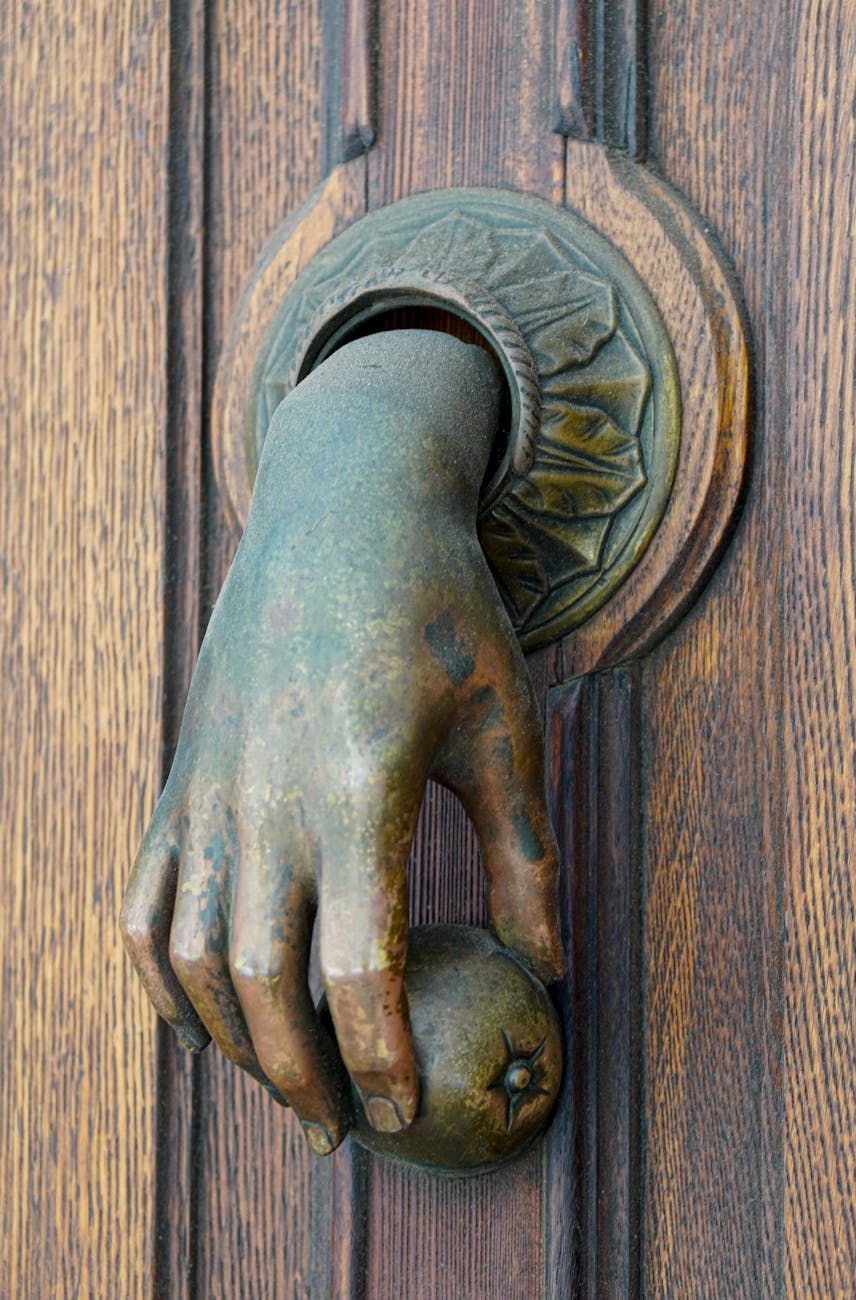
So when an old door knocks again, the question is not simply, “Should I go back?”
It becomes, “Is this part of the ‘more’ God is building in me — or is He leading me somewhere new?”

Ephesians 3:20 doesn’t promise that every reopened door is meant to be walked through. It promises that whatever path we take, God’s power is greater than our uncertainty.

We don’t need to chase validation when we are already fully seen.
We don’t need to return to prove something when God is already establishing something greater.

The “immeasurably more” may not look like what we expect.

But it will always be more than enough.

Photo by Magicbowls on Pexels.com

When Ephesians 3:20 Feels Like a Nudge Toward a New Business

Sometimes Ephesians 3:20 doesn’t land as comfort—it lands as a stirring. You read about God doing more than you can ask or imagine, and suddenly there’s an idea you can’t shake. A business. A solution. A gap you notice. Not fully formed, not risk-free, but persistent.

That doesn’t automatically mean “quit everything tomorrow.” But it may mean something is being awakened.

Paul says God’s power is at work within us. That includes creativity, insight, problem-solving, and the ability to see possibilities others overlook. A business idea can be one of the ways that inner work starts to surface.

The Difference Between Ambition and Calling

Photo by Ylanite Koppens on Pexels.com

It’s healthy to pause and ask: Is this just ambition—or could it be alignment?

Ambition tends to rush. It demands certainty and fast results.
Calling, on the other hand, often begins quietly. It grows through curiosity, responsibility, and a sense of purpose beyond profit alone.

Ephesians 3:20 doesn’t promise instant success. It reminds us that God’s ability exceeds our planning. That frees us from needing to have every answer before we take the next wise step.

God’s “More” Often Starts Small

We tend to imagine that if God is involved, the vision should be massive right away. But “more than we can imagine” doesn’t always look impressive at first.

It might look like:

  • Research instead of resignation
  • A side project before a full leap
  • Conversations before capital
  • Faithfulness in small decisions before big outcomes

God exceeding your imagination may happen through the process, not just at the finish line.

Photo by Nao Triponez on Pexels.com

Let the Verse Shape Your Mindset, Not Just Your Dream

Ephesians 3:20 can ground a new business idea in humility and trust:

  • You plan carefully, knowing God can do more than your plan.
  • You work diligently, knowing outcomes aren’t carried by your strength alone.
  • You stay flexible, knowing God’s “more” may refine or redirect the vision.

A business birthed with this mindset becomes less about proving yourself and more about stewarding what’s been placed in your hands.

Photo by Alizee Marchand on Pexels.com

When Fear Shows Up (Because It Will)

Starting something new almost always triggers fear: What if I fail? What if I misheard this? What if I’m not enough?

Ephesians 3:20 doesn’t erase fear—but it reframes it. The verse shifts the focus from your capacity to God’s power at work within you. That doesn’t guarantee ease. It does guarantee you’re not relying on yourself alone.

Sometimes faith looks like taking the next responsible step while still feeling unsure.

A Gentle Way Forward

If this sense of starting a business keeps resurfacing, you don’t have to label it immediately. You can:

  • Pray without demanding clarity
  • Explore without overcommitting
  • Learn without rushing
  • Trust that God can grow the vision as your mind and capacity grow

Ephesians 3:20 isn’t a command to dream recklessly. It’s an invitation to trust deeply—especially when stepping into something new.

And sometimes, the “more than you can imagine” begins with the courage to start—right where you are.

Photo by Brett Jordan on Pexels.com

When God Works Within: Training the Mind to Make Room for More

In the previous reflection on Ephesians 3:20, we explored how God’s ability goes far beyond what we ask or imagine—and how that power is already at work within us. But that raises an honest follow-up question: If God’s power is at work within us, why do our thoughts still feel so small sometimes?

The answer isn’t failure. It’s formation.

The Mind Is a Garden, Not a Switch

Photo by Suneo1999 on Pexels.com

Our minds don’t change instantly. They’re shaped over time by repetition, habits, memories, and messages—both spoken and unspoken. That’s why faith isn’t just about believing the right things once, but about returning to truth again and again.

Ephesians 3:20 doesn’t imply that our minds are perfectly aligned with God’s power. It suggests something more gradual: God’s power is at work. Ongoing. Active. Developing.

Think of the mind like a garden. Whatever is planted and watered will grow. Fear grows when it’s constantly rehearsed. Hope grows when it’s intentionally revisited. Faith grows when we give God room to challenge our default thoughts.

Small Thoughts Can Still Host Big Power

One of the quiet lies we believe is that we need “big faith” or “strong minds” for God to do big things. But Paul doesn’t say God works according to the size of our thinking. He works according to His power.

That means God is not waiting for you to become more optimistic, more confident, or more mentally disciplined before He moves. He begins where you are—even if your thoughts are fragmented, cautious, or unsure.

What changes over time is not God’s power, but our awareness of it.

Photo by Pixabay on Pexels.com

Creating Space for God to Interrupt Your Thinking

If God’s power is already at work within us, then part of spiritual growth is learning to notice when our thoughts contradict that truth.

Questions like:

  • Is this thought rooted in fear or in trust?
  • Am I assuming limits that God never stated?
  • What would it look like to let God redefine what’s possible here?

These questions don’t require perfect answers. They simply create space. And often, space is where transformation begins.

Renewed Minds Learn to Expect More—Without Controlling More

There’s a tension in Ephesians 3:20 that’s easy to miss. God exceeds what we ask or imagine—but not always in the ways we script. Renewing the mind isn’t about predicting outcomes; it’s about loosening our grip on them.

A renewed mind learns to expect God’s faithfulness, not just specific results.
It hopes boldly, but holds outcomes lightly.
It trusts that “more” doesn’t always mean easier—sometimes it means deeper.

This kind of thinking doesn’t come naturally. It’s cultivated. Slowly. Gracefully. Often imperfectly.

Photo by Magda Ehlers on Pexels.com

Letting Your Thoughts Catch Up to What God Is Doing

God may already be working beyond what you’ve allowed yourself to think about. Healing you haven’t named yet. Growth you haven’t imagined. Purpose that hasn’t fully formed in your mind.

Ephesians 3:20 invites us not to force bigger thoughts, but to stay open to them. To let our minds be stretched—not by pressure, but by trust.

So if your thinking feels behind what God might be doing, that’s okay. Your mind can catch up. And God is patient while it does.

Because the same power that exceeds your imagination is the power patiently renewing it—one thought at a time.

Photo by Pixabay on Pexels.com

More Than We Can Imagine: Ephesians 3:20 and the Power of the Mind

Ephesians 3:20 is one of those verses that feels like it stretches your soul a little wider every time you read it. Paul writes that God is able to do far more than all we ask or imagine, according to His power at work within us. That last phrase—within us—is easy to skim past, but it’s doing a lot of heavy lifting.

This verse isn’t only about what God can do for us. It’s also about what God is doing in us. And that’s where the connection to the mind becomes especially powerful.

Photo by Miki Czetti on Pexels.com

Imagination Isn’t the Enemy of Faith

For some people, imagination sounds like the opposite of spirituality—too human, too limited, too unrealistic. But Paul doesn’t dismiss imagination. He uses it as a measuring stick. God doesn’t just meet our prayers or thoughts at face value; He exceeds them.

That means imagination matters. Our minds are part of how we engage with faith. When we imagine healing, growth, reconciliation, purpose, or change, we are not being unspiritual—we are exercising a God-given capacity. The verse suggests that even our biggest, boldest thoughts don’t exhaust what God can do.

And yet, our imagination often works against us too.

Photo by Rakicevic Nenad on Pexels.com

The Mind as Both a Limit and a Launch Point

Our minds can dream—but they can also doubt. We imagine worst-case scenarios faster than hopeful ones. We replay failures. We assume limits: This is as far as I’ll go. This is who I’ll always be.

What’s striking about Ephesians 3:20 is that God’s work isn’t limited by the boundaries our minds naturally create. Paul doesn’t say God works according to our confidence, clarity, or mental strength. He says God works according to His power—and that power is already at work within us.

In other words, your anxious mind, distracted mind, or tired mind is not a dealbreaker for God.

Photo by Pavel Danilyuk on Pexels.com

“According to the Power at Work Within Us”

This phrase shifts the whole verse. God’s ability isn’t distant or abstract. It’s active and internal. That means transformation often begins not with changed circumstances, but with renewed thinking.

This lines up with other biblical themes: the renewing of the mind, taking thoughts captive, setting the mind on things above. Faith isn’t mindless. It’s mind-renewing.

When God’s power works within us, it reshapes how we think:

  • Fear doesn’t disappear instantly, but it no longer gets the final word.
  • Limitations may still exist, but they no longer define what’s possible.
  • Prayer becomes less about controlling outcomes and more about trusting capacity—God’s capacity
Photo by Thought Catalog on Pexels.com

When Your Mind Can’t See It Yet

There are seasons when imagining something better feels impossible. Hope feels like a stretch. Dreams feel unrealistic. Ephesians 3:20 meets us there too.

The verse doesn’t say God only exceeds what we can imagine. It includes what we can’t. Even when your mind goes blank—when you don’t know what to ask for, or what to hope for—God’s ability remains unchanged.

That can be deeply comforting. Faith isn’t measured by how vividly you can picture a breakthrough. Sometimes faith is simply staying open when your mind doesn’t have answers yet.

Photo by braincontour on Pexels.com

Letting God Think Bigger Than You

Ephesians 3:20 invites humility and courage at the same time. Humility, because it reminds us that our minds are not the ceiling. Courage, because it tells us that God’s power is already at work within us, even when we don’t feel impressive or capable.

So maybe the invitation of this verse is simple:

  • Think boldly, but don’t idolize your thoughts.
  • Dream honestly, but don’t depend on your imagination alone.
  • Pray freely, trusting that God is not confined to the limits of your mind.

God can do more than you can imagine—and He doesn’t wait for your mind to catch up before He starts working.

Photo by Ramaz Bluashvili on Pexels.com

Ephesians 3:20 — Less Than a Month Into the Promised Land

When I wrote about entering the Promised Land, I imagined a sense of arrival. Relief. Settling. A deep exhale after a long stretch of waiting and hoping and trusting.

And in some ways, that’s been true.

But it’s been less than a month, and already I’m realising something important: the Promised Land isn’t static. It doesn’t freeze life into a perfect, peaceful moment. It’s still life — just on different ground.

Photo by Pixabay on Pexels.com

That’s where Ephesians 3:20 has started to sound different to me.

God is able to do immeasurably more than all we ask or imagine, according to His power at work within us.

The Shift From Longing to Living

Before entering this season, my prayers were full of longing. Please let me get there. Please open the door. Please change the situation. I could imagine what life on the other side might look like — and honestly, my imagination did most of the work.

Now I’m here, and the prayers have shifted.

They’re quieter. Less dramatic. More about staying faithful than getting rescued. More about wisdom, patience, and learning how to live well in what I once only dreamed about.

It turns out that entering the Promised Land doesn’t end the need for faith — it changes the shape of it.

Photo by Caio on Pexels.com

“More Than I Asked” Looks Different Up Close

From the outside, this season might look like the answer. The breakthrough. The moment where God finally did what I’d been asking for.

But from the inside, I can already see that Ephesians 3:20 isn’t just about getting here.

Because the “more” God is doing now isn’t flashy. It’s internal. Subtle. Slightly uncomfortable at times.

He’s exposing habits that don’t belong in this new season.
He’s inviting responsibility, not just relief.
He’s asking me to trust Him without the urgency that used to fuel my prayers.

This is the part I didn’t fully imagine.

The Promised Land Still Requires Dependence

I think part of me assumed that once I arrived, things would feel easier spiritually. That closeness to God would come naturally again, without effort.

But comfort carries its own risks.

It’s easy to stop paying attention. Easy to assume the work is done. Easy to enjoy the gift and forget the Giver. Ephesians 3:20 reminds me that God’s power is still at work within me — not just in getting me here, but in shaping how I live now that I am.

The Promised Land isn’t the end of dependence. It’s a test of it.

Photo by Jeswin Thomas on Pexels.com

Learning What I Didn’t Know to Ask For

Looking back, I asked God to bring me here.
What I didn’t ask for — because I didn’t know how — was the maturity to stay grounded once I arrived.

That’s the “immeasurably more” I’m beginning to notice.

Not just answered prayers, but deeper ones.
Not just changed circumstances, but changed instincts.
Not just arrival, but formation.

Less than a month in, I’m realising that the Promised Land isn’t about ease — it’s about stewardship. About learning how to walk with God when the ground is good and the urgency is gone.

And maybe that’s where Ephesians 3:20 is most alive — not in the moment of breakthrough, but in the quiet weeks that follow, when God keeps doing more than I ever thought to ask for.

Design a site like this with WordPress.com
Get started