Sometimes, a small thought reveals a much bigger change happening beneath the surface.
Recently, I was reflecting on a devotional story about someone receiving an unexpected $100 just in time to pay their utility bills. It highlighted a simple but powerful theme: provision arriving when it’s needed.
Later that day, I thought about the SG100 credits—and almost instinctively, a different question came to mind:
“Could this be used to build something for my startup?”
That moment wasn’t dramatic, but it was revealing.
A Shift from Spending to Building
Most people would naturally see a credit as something to use or spend.
But if your mind immediately goes to building, that signals a shift.
Instead of asking:
- What can I get from this?
You start asking:
- What can this become?
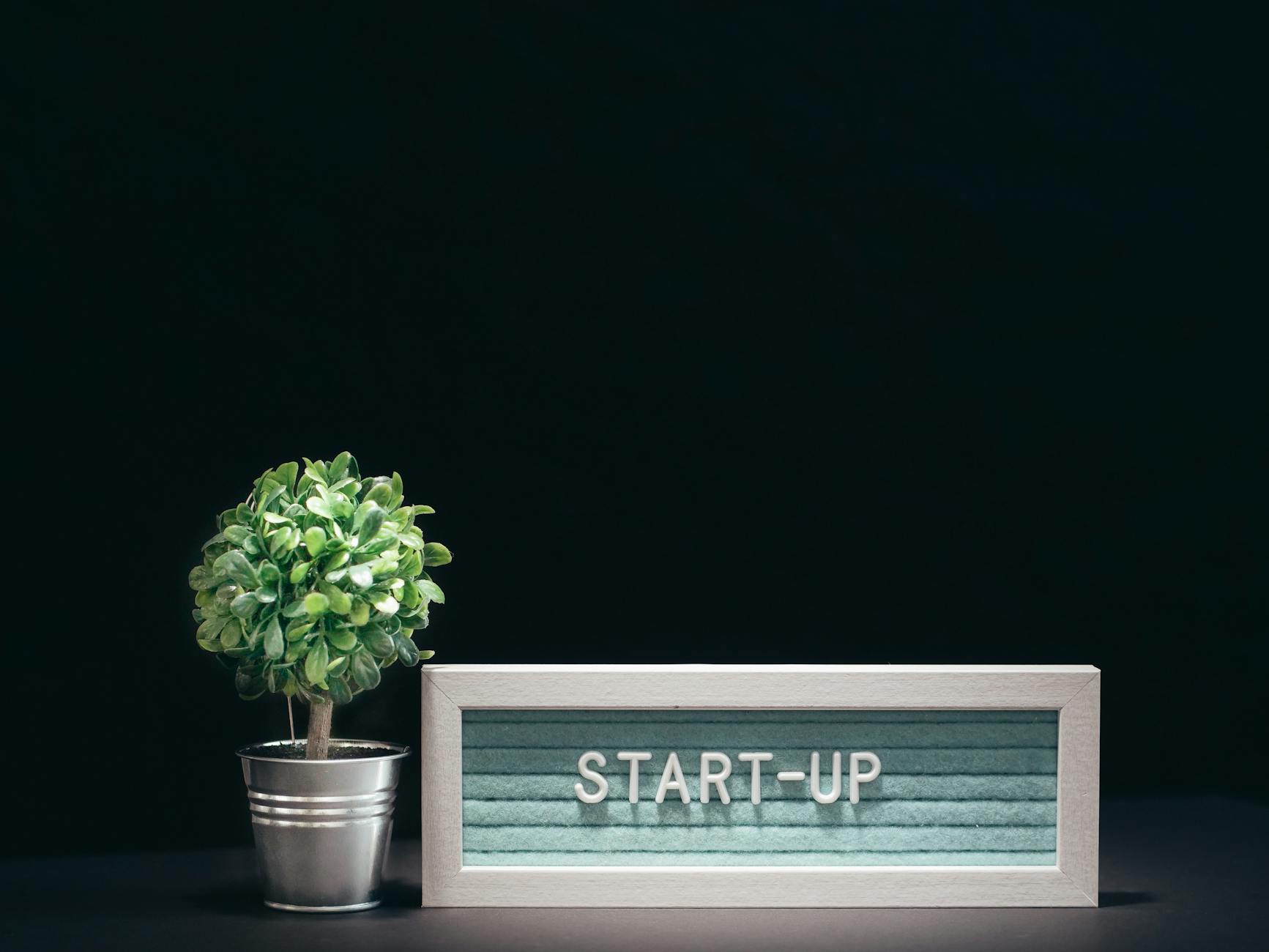
This is often how founder thinking develops. Resources—no matter how small—begin to look like potential building blocks for something larger.
Why That Matters
What stood out even more was what I thought of building.
Not something random, but culture assets—things that contribute to identity, experience, and long-term value.
This suggests a deeper alignment:
- thinking beyond short-term use
- focusing on meaningful, reusable value
- building with intention, not just efficiency
It’s a move from consumption toward creation.

A More Grounded Way to Interpret It
It’s easy to overthink moments like this and wonder if they are “signs.”
But a more useful question is:
Does this decision make sense even without the emotional context?
In other words:
- Is it allowed within the scheme?
- Does it genuinely support the startup?
- Would it still feel like a wise use of resources?
If the answer is yes, then it’s likely not just inspiration—it’s good stewardship.
Conclusion: What This Really Reveals
The most important takeaway isn’t whether the thought was spiritual or strategic.
It’s this:
your mindset is starting to change.
When you begin to consistently see small resources as opportunities to build something meaningful, it shows a shift toward:
- ownership
- long-term thinking
- creative responsibility
And that shift is often how meaningful ventures begin.
Not from big moments,
but from the quiet habit of turning what you have into something that lasts.

 All about Lina Lifestyle