The weekend is here and I thought the best thing to unwind is to do physical exercises as I believe it helps with our overall mental and physical health. I felt that with work from home throughout the past few months, cabin fever starts to set in and I desire more time out for long walks in the natural park. Natural scenery is highly appealing and refreshes the mind and heart. My favorite long walk accomplishment is reaching the red bridge at Punggol Promenade.
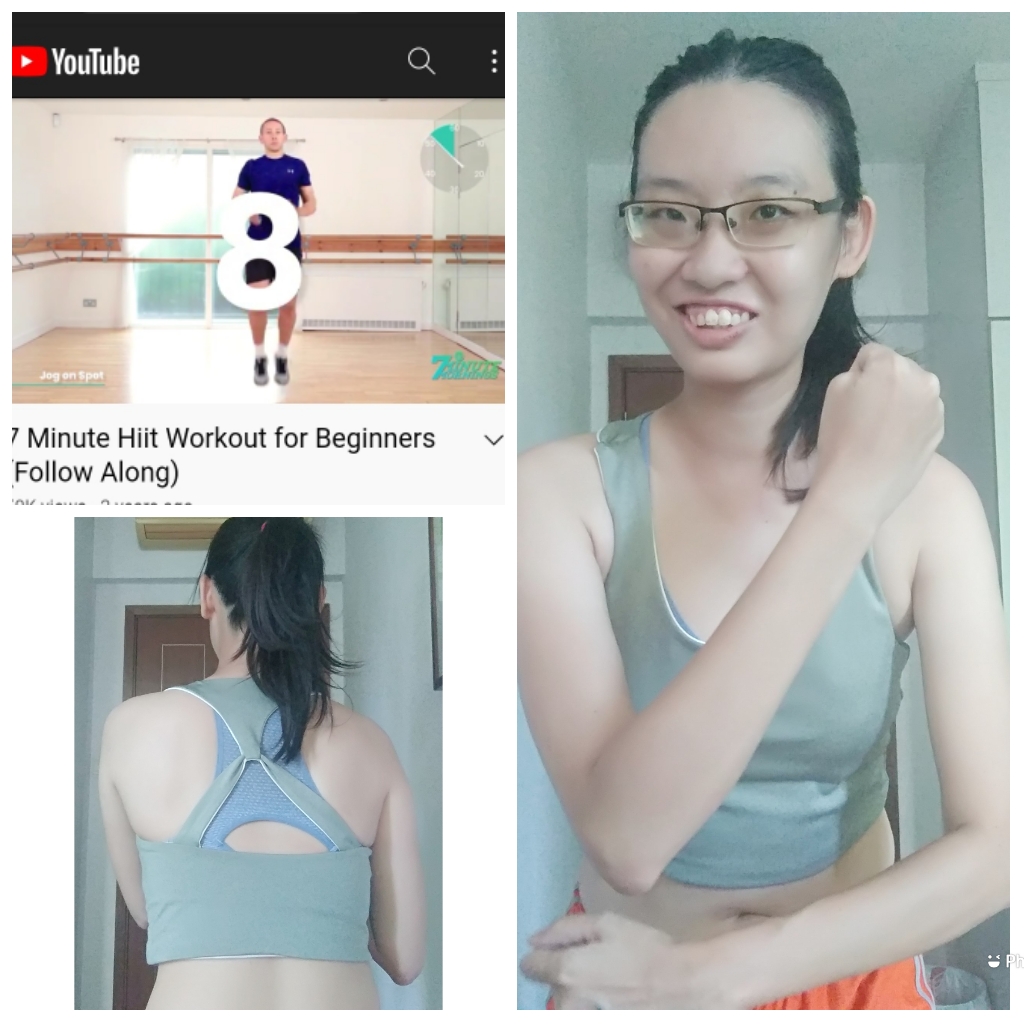
Free time however can be a luxury when you really need to start a work week working from home. When you needed to be in your room and be in front of computer, I thought the best form of physical activity will be HIIT workouts to start the morning. A good combination for me will be to do both the 7 minutes beginner workout and the 10 minutes flat abs workout with my increased stamina.
Last week, I shared about the 8 moves from Cassey Ho and her 10 minutes abs flattener which gave me a sense of achievement when I managed to get a few of her 10 minutes incredible workouts done throughout the week. I managed to complete all the 8 moves.
In this week’s blog post, I will write in details the physical moves from expanding tabletops and reverse crunch from Cassey Ho’s 10 minutes ab flattener video.
7 minutes beginner workout
How to do the Expanding Tabletop
Here is how you do an expanding tabletop. First, we start with one side by bringing the legs up on the tabletop. Next, place your hands underneath the tailbone and rest your head down. Next, you’re going to expand the legs and bring it back. Reach in, out and in and really point the legs. Lengthen, lengthen and really point. This really forces you to use your lower abs to move your legs out. Shins parallel to the ceiling.
Second, once you know the moves on one side, you can do the same thing on the other side for expanding table top. Hands in a triangle underneath your tailbone, knees in table top. Lengthen in. Out and in. Really sucking in the belly button into the spine. Imagine, you have a corset around your waist and tighten those muscles. Elbows wide now and really point your legs. Belly button in. According to Cassey Ho, the lower belly is the area where a lot of people struggle with including herself and that is where she gained fat in the first place. Some people have it in their inner thighs, the hips, the face.
How to do the Reverse Crunch
First, palms down pressing into the mat. Next, you are going to cross the ankles and you’re going to lift and lower. Up and down, up and down. According to Cassey, if she is having a huge milkshake the night before, she can feel it going to her thighs into her lower belly.
Starting my learning journey with my skills future credit
I embarked on my learning journey with NTUC as the organization is offering 90% off their courses before year end in a bid to get adults to upskill to meet the demands of the new year. As all Singaporeans are given skills future credit to utilize for training and development, I can see that the skills future initiative has made embracing changes socially normal.
Once norms are set from the top, the adoption of this initiative becomes quite normal nationwide. Furthermore, the utilization of these credits as a good deal comes with an expiration date to make upskilling by a certain time window even more urgent. To sweeten the deal, I am fortunate to meet a responsive course consultant who followed up promptly once I started signing up for the first class. Since she made the whole administration process seamless with simple and clear guide, I am quite decisive in getting started on all my classes.
As my personal schedule in November is cleared up, I thought that there is no better timing to start during the lull periods of my work. I welcome the change in routine as there is a role reversal for me. I find changing from teacher to student novel and refreshing. I like the idea of meeting my trainers and fellow trainees on Zoom in the comforts of my own and stay safe during the surge the Covid numbers in Singapore.
With a small class size, I feel that there are ample opportunities for class participation and interaction. Being in a fun learning environment makes learning in long blocks of time easier. There is an element where we can get to learn from each other’s life experience that makes the time well spent too if we were to return back to the practical side of work.
Why is that a need to understand technology changes
In my previous foundational agile class with Acesence, I learnt that we live in an era of double destruction caused by automation and Covid-19. With so many technological changes and the disruption to the economy brought on by the pandemic, I feel that there is an urgent need for a mindset change. I can see that there is a shift towards offering business courses in NTUC Learning Hub to complement my need to deepen my understanding of the new business models. Furthermore, I am glad that I can find that most courses are contemporary in nature. These contemporary courses are geared towards change transformation yet there are learner centric and easier to absorb.
As I have a preference towards understanding how the mind works, I chose classes that are quite psychological in nature too involving mindset changes. Since we are living in a volatile, uncertain, complex and ambiguous (VUCA) world, I am glad that I started my first course called Cultivating an Experimental Mindset. For the second course, I took digital marketing where I can see there is a rapid change in the advent of new digital techniques to cope with the rapid changes in consumer demands in e-commerce for example. For my third course, I took Business Canvas where there is a 9 steps process to business success and there are good comprehensive case studies from ride-sharing platforms to expresso.
The next milestone is taking my agile marketing class which confers an internationally recognized certificate. I am glad that in my Agile Marketing class, I am able to recap my previous learning of the VUCA world from my first class. I would like to share a video from the agile marketing course which makes the concept of VUCA really easy to understand as the visuals use similes to tell the story well.
From the video, we can see images of what VUCA represents. The videos are impeccable and I attempted to capture what VUCA means from the introductory part of the video.
What is VUCA
Volatility is represented by the large waves crashing Uncertainty is represented by clouds moving in any directions Complexity is represented by having multiple networks
Ambiguity is represented by bare trees branches somewhere during winter
I embarked on a marathon learning quest a year ago around my birthday month as I felt a thirst for learning new things after I left my humanities education having graduated a decade ago. I am glad that learning went well as the best birthday present to open this year is finishing well at all my adult learning schools. I went from not being sure of passing even one course after many years of not taking examinations to crossing the passing mark for close to 30 courses on Alison my online learning school.
Getting out of my comfort zone to transit from learning solo at an easy pace I stuck to Alison as a beginner for sometime before I was ready to venture into something moderately challenging. The challenge is staying the course for Zoom online learning with live trainers and students. I decided to go for more life group classes with NTUC Learning Hub. I find that committing to a group setting with real time trainers who can see me in the online Zoom class a little intimating as I was used to virtual trainers who did not know me and comfortably taking the test and quizzes at my own pitstop.
I decided to get started with NTUC with a focus on practical business courses with the intention to know other adult learners from diverse industries and age groups. I felt that I wanted to broaden my mind to find out how others think of business on a more holistic level. As I open myself up to people from other industries like banking and marketing I grew socially and emotionally as I became much more enriched with the class discussions.
It took some courage to ask the veteran industry trainers with many years of experience questions specific to businesses. I was glad my latest business trainer in my agile marketing course could sense of my interest in the hybrid version of agile processes. I enjoy the novelty of discovering little known facts like knowing new things that my classmates brought up. I find the hybrid form of scrum and kanban which is called “scrumban” intriguing for example.
As a so called well travelled mind in the area of learning from my university days, I still find learning very intriguing whatever adult training school I go to and I am glad to be more adventurous. Instead of just travelling in my own field in education or satisfy my curiosity by solo learning, I decided to focus on travelling to the business world and learning everything from business canvas to the 4 P’s of marketing. With so much excitement for learning from new fields, I can feel that my fear of failure for the courses is unfounded. Indeed, my original quest to drink from the fountain of knowledge had been quenched as I learn to my heart’s desire.
It is the time of the year where I felt that there are more fatty acids stored in the abdominal area that muscles. I thought it is high time to get started on motivational videos that are easy to follow for the sake of my physical health. I will rather lie in my comfort zone than shake my exercise routines. Thus, I felt that I have stagnated as a beginner at exercise than go into anything moderately tough on the body. I was just browsing through random workout videos as I was very used to my consistent 7 minutes High Intensive Interval Training (HIIT). Anything longer just feels like a whole lot of work and boredom will kick in.
Doing the 7 minutes beginner HIIT
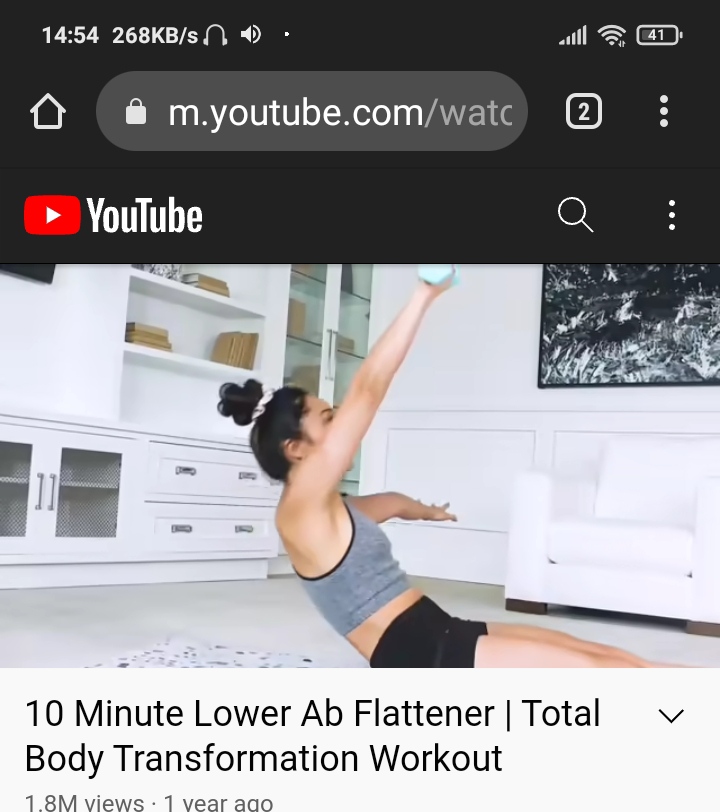
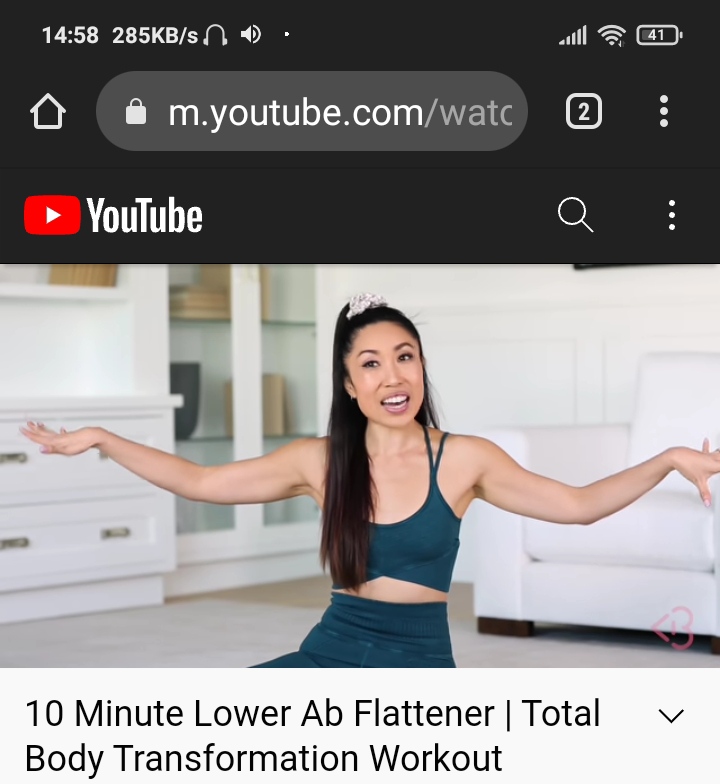
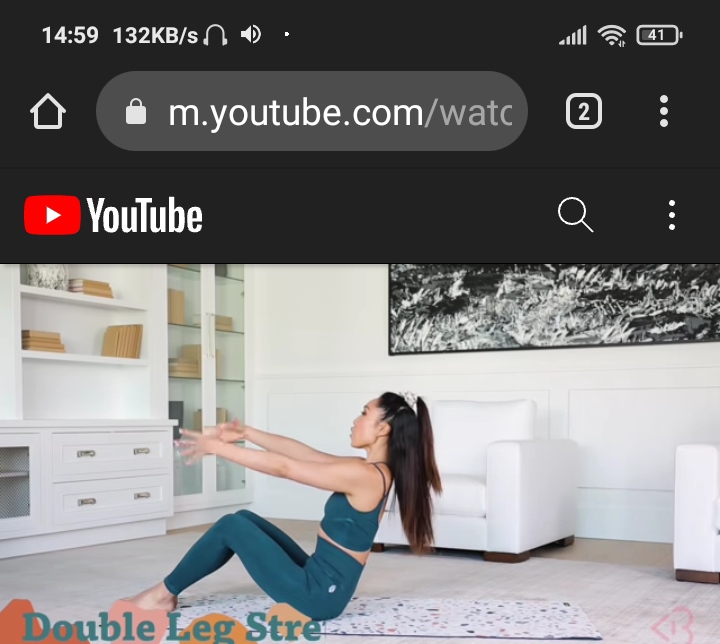
While browsing through exercise videos I am awed by a fitness personality Cassey Ho who is very motivational and organized. Finding her videos interesting, I can’t help but follow along with her 10 minutes video called Total Transformation Lower Abs. The first goal I had in mind was getting started for physical health reasons. I am so glad to get rid of my sneezes and runny nose once the whole body gets heated up and leave my common medical conditions like cold behind.
Lower abs total body transformation
For the youtube sensation, Cassey Ho I am amazed that she can speak to her audience and demonstrate the actual intensive exercises at the same time. I am glad that I can go from flat out couch potato to being a total body transformational fan. I am convinced that from “double leg stretch” to “flutters”, the catchy names are so easy to follow. If you only have 10 minutes and want to target belly fats, it will be something that did not bore me. Instead I got a kick out of hitting my fitness goal. I followed her exercises right to the end where it does feel comforting to reach the part where you can get to hear her say “roll you vertebrae up”. Celebrating my small action step to get into a more intensive exercise never felt more fun and the awesome feeling to know that my belly is flattening.
Here are the names to some of the types of exercise which sounds really catchy !
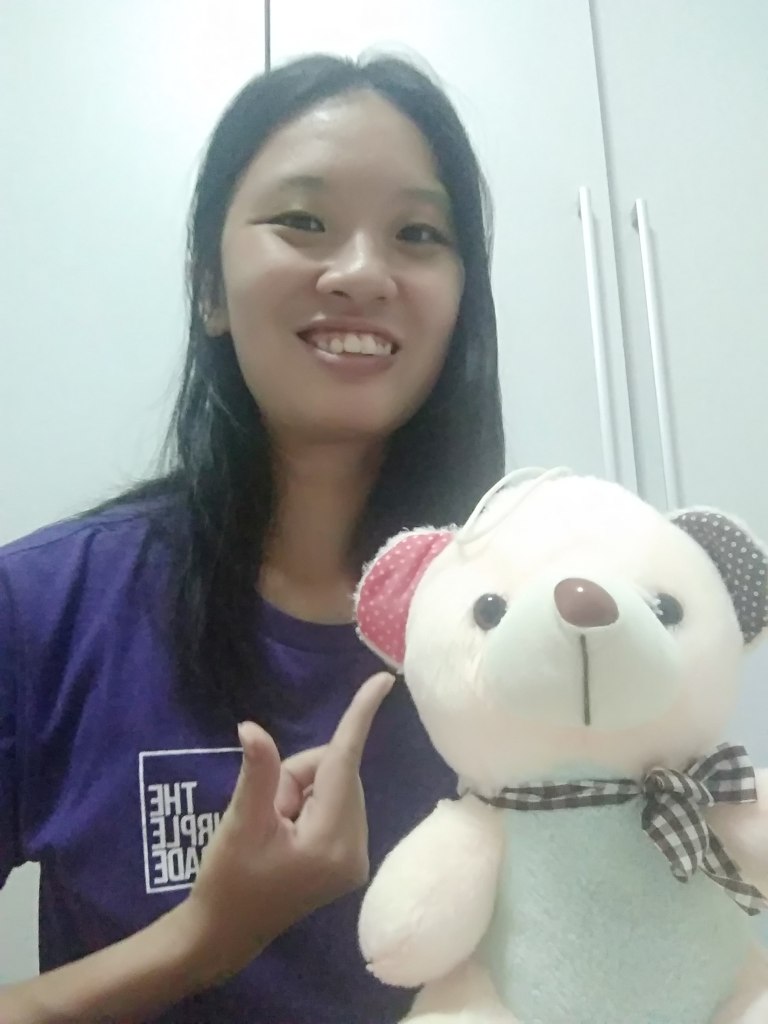
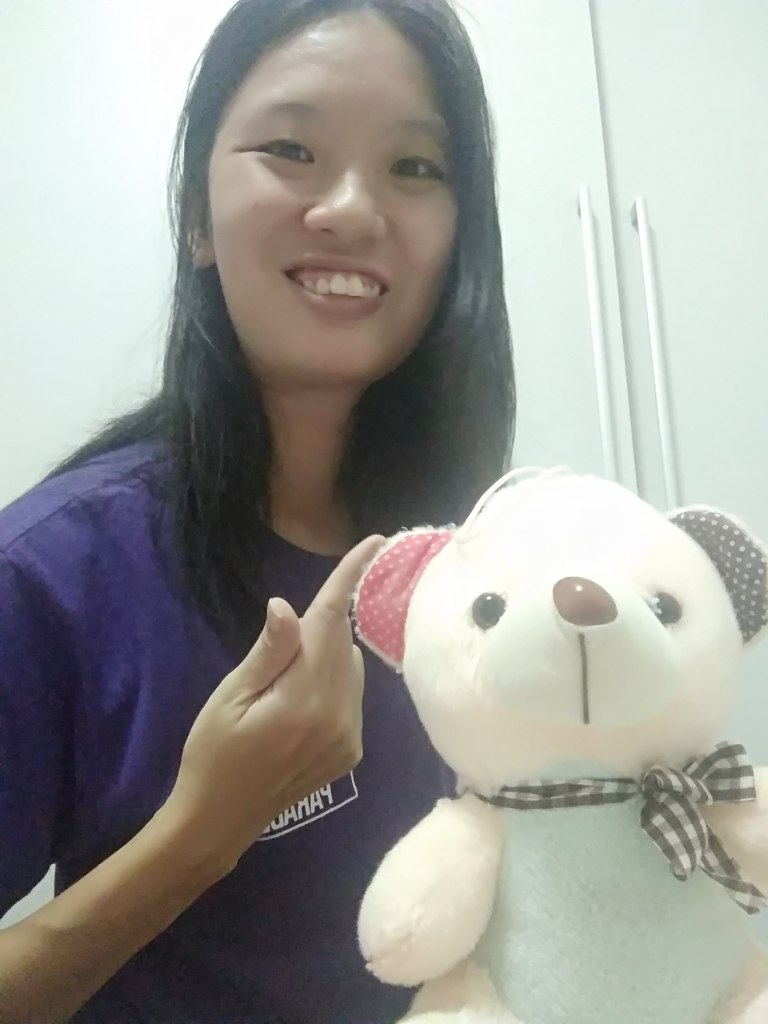
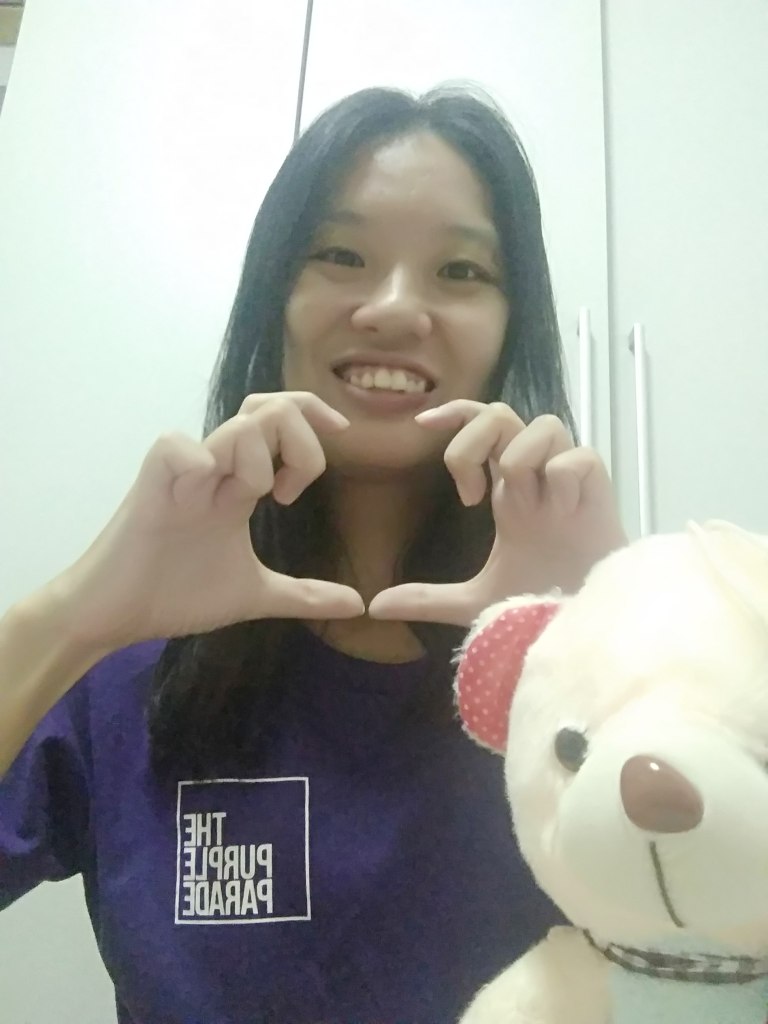
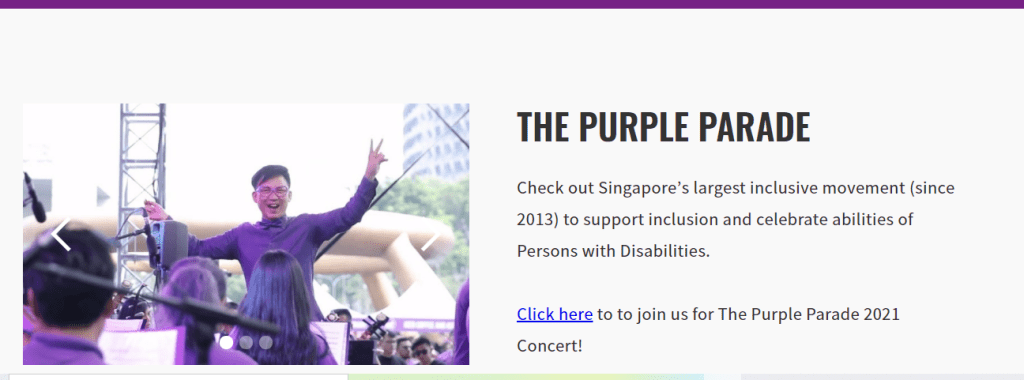
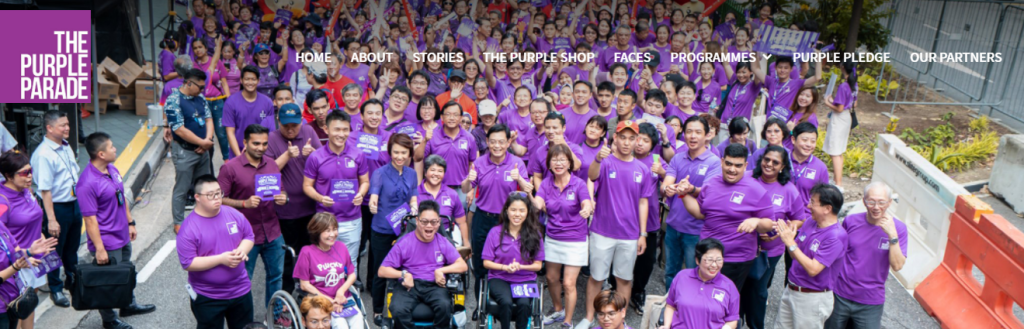
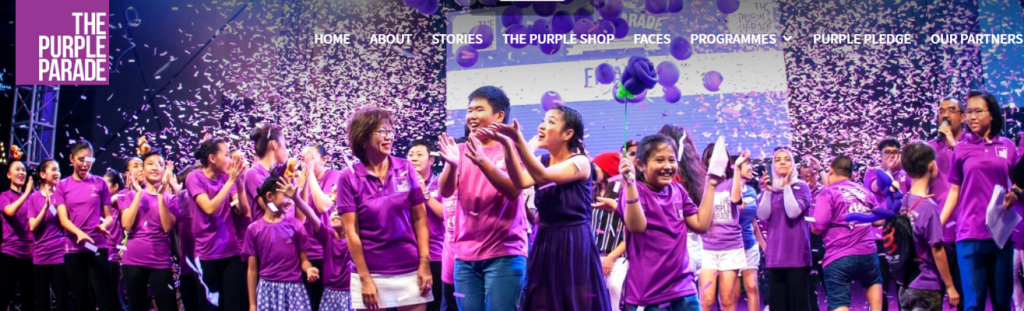
The Purple Parade is Singapore’s largest movement to support inclusion and celebrate abilities of person’s with disabilities. It aims to help Singaporean’s increase their awareness of the disability community and to recognize their abilities. It is the 9th year that they are holding the Purple Parade on October 30th 2021. This year, the Purple Parade held its very first hybrid concert with audiences joining the Purple Parade at Suntec City and on Facebook Live.
Hybrid event
The hybrid event was hosted by Yip Ping Xiu, five times Paralympic Gold medallist as well the vice chairperson of the Purple Parade. To encourage supporters to support inclusion, they even have social media platforms where they have a Purple Wall. To support the movement on social media, supporters can take a photo and posts it on instagram or facebook using the hashtags #supportinclusion and #celebrateabilities. They also have a website where you can find out more about the Purple Parade: https://www.purpleparade.sg/about
Social media hashtags
Purpose of The Purple Parade
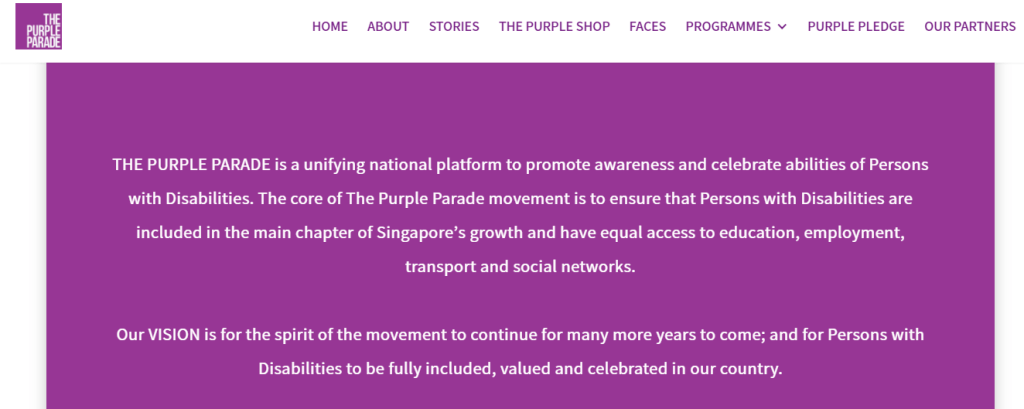
According to Yip Ping Xiu, she thinks that is is a huge privilege to be part of a powerful and impactful movement watching the Purple Parade grow every year. She felt that with such growth Singaporeans want a more inclusive society. She believes that core of the Purple Parade movement is to ensure that persons with disabilities are involved in the main chapter of Singapore’s growth. This means having equal access to things like education, employment, healthcare, transport and social interaction.
According to Alistair, the host of the Purple Parade, the annual parade is a platform for everyone from different walks of life to come together to stand in solidarity for persons with disabilities. He is encouraged to see a great turn out together. He is happy to see a strong support for the “Let’s all go Purple campaign” this year. They have a series of workshops called “Walk in my shoes” which is to create public awareness of major disabilities through firsthand perspective. Next, they have a Purple Symphony which is Singapore’s largest orchestra consisting of musicians with and without disabilities. They have performed at many events in Singapore from the Chingay parade, National Parade and the annual Purple Parade.
The Purple Parade
Past, Present and the Future
Mayor Denise Phua is the advisor to the Purple Parade movement. She shared that she is happy to welcome Minister Masogos and a small group comprising the organising committee, Representatives of Singapore’s 4th Enabling Masterplan for the Disabled and leaders from the business sector, government and Parliament. She wanted to share the past, present and the future of the Purple Parade.
History of The Purple Parade
History of the Purple Parade
She shared briefly of how The Purple Parade started in the past. 9 years ago, it started as a grounds up movement with a group of volunteers who wanted a national occasion to ensure persons with disabilities are remembered not forgotten. They wanted to support inclusion and to look beyond disabilities and celebrate abilities of the differently able. The first Purple Parade started at Hong Lim Park where they first made their statement with 3600 people.
They moved on to Suntec City where they saw more than 10 000 gathered annually in contingents, buildings lighted in purple, carnivals and concerts beyond their wildest imagination. The event was never to replace the good work done out there by their partners and disability organizations but always to remind the rest of Singapore that everyone is worthy and deserving of equal opportunities in life’s essentials.
Supporting the Purple Parade
Present times with Covid-19
Fast forward to the present with Covid-19, the team had to pivot to other means to continue The Purple Parade movement. They stayed the course with strong supporters and their online Going Purple campaigns and concert stayed strong. Even when the committee does not have the bandwidth to personally engage everyone, thousands have continued to support the cause and sportingly joined in. This year, more than 20 000 are expected to join them. “Let’s All Go Purple” campaign in October was a great success. They have introduced Purple Conversations and Digital Human Libraries to share the life stories of persons with disabilities.
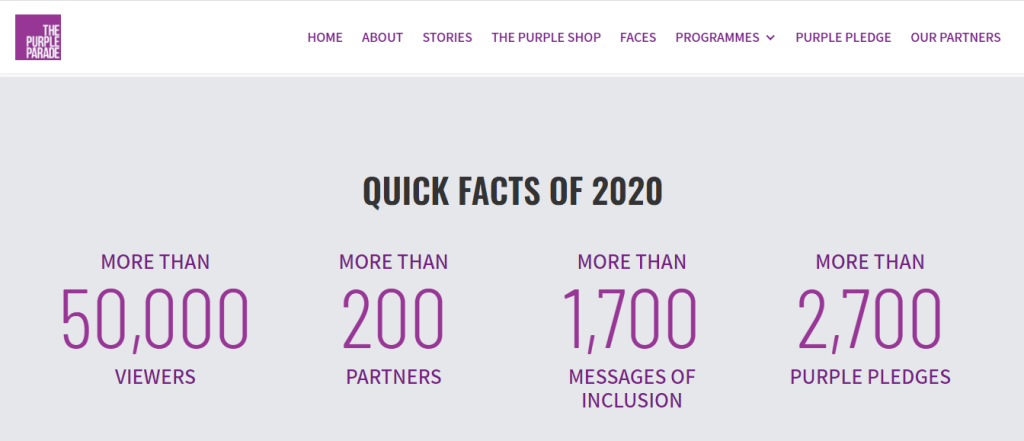
Quick Facts of 2020 during the Covid-19
Future of The Purple Parade
As for the future, the spirit of The Purple Parade must continue. It is about inclusiveness, not exclusiveness. The movement must include both persons with and without disabilities in leadership, outreach, partnerships and programmes. Their current and next generation of leaders in The Purple Parade and many activists will focus on the 3 A’s – Awareness, Action and Advocacy.
The team will build for the future deeper awareness of persons with disabilities because they all come in spectrum. The team will take action to support the higher-priority needs of the community including in the adult space. The team will continue to advocate for sustainable access to opportunities at school, at the workplace, in community facilities. Past success is no guarantee of future success. The only way to predict the future, as we all know is to help create it together. Denise Phua ended her sharing by thanking the supporting for believing that regardless of one’s ability or disability everyone is worthy.
Denise Phua and The Purple Parade
How an individual supports Inclusion in his business
According to Norman Ngai, a financial advisory manager representing Financial Alliance Pte Ltd, he has been supporting inclusivity by being aware of the needs of persons with disabilities in his work in the financial sector. This is where his business provides equal access to consultation on insurance services and supports the disability sector with action. It is good to know that his firm caters to the special needs by having knowledge of a scheme where individuals with autism can get coverage for medical expenses due to accidents and infectious diseases.
In conclusion, it is heartening to know that he is fulfilling the vision of The Purple Parade which is for Persons with Disabilities to be fully included, valued and celebrated in our country. You can read more about the mission and vision of The Purple Parade here.
Previously I wrote a blog post after attending an agile course and explained why an agile mindset is important in the VUCA world. In my third point, I mentioned the double destruction caused by automation and how technology has disrupted the economy. The good thing is that there are new jobs emerging in the market and there are opportunities with the changes in the economy. To take on these opportunities, the workforce need different skills. You can access this post here: https://lifestylelina.medium.com/three-reasons-why-an-agile-mindset-is-important-in-the-vuca-world-dc367427c1eb
One really useful skill to learn will be digital marketing. This is where there is a shift of businesses online due to the need to operate safely when they are not able to reach consumers at the physical stores due to the pandemic. I felt there are advantages to digital marketing that one can learn and know. Without a background in digital marketing, I decided to attend the course conducted by NTUC.
Digital Marketing and the five advantages
Digital Marketing is the use of internet to reach consumers using email, content marketing, search platforms, social media and affliate marketing.
1. The advantages of digital marketing is that there is global reach of consumers when we use the internet as it not only limited to a particular region. We can reach consumers all over the world as long as there are connected on the internet.
2. Digital marketing is trackable with measurable results where we can used track the effectiveness of online marketing.
3.Consumers are more open to online marketing due to the restrictions brought on by Covid-19 where consumers switch from going to physical retail stores to openness to visiting online stores.
4. There can be increased social currency with greater sharing of one’s brand on social media. According to Forbes, “social currency is essential for marketing success. In 2020, a projected $102 billion will be spent on ad spend. This is where “influencers and entrepreneurs use it to inspire, motivate and educate others on how to monetize their brand.” Social currency is a way to leverage the way people interact, buy, sell and promote on social media to ultimately grow your brand.
5. There can be improved conversion rate due to the increased brand awareness of products and services online when businesses build up their social currency and turn social media users to consumers.
I think writing on social media for my more than close to 1850 followers (at present) on LinkedIn brings tremendous responsibility in sharing my thoughts and comments in as accurate a way as possible to reflect my values and beliefs or opinions on issues. I took up this responsibility because I felt over the past year I have grown these followers slowly and organically and there is a kind of social media intimacy at a level I believe was enough to start three different blogs to engage all people that I know through my different styles of writing.
Prior to the pandemic year 2020, I knew LinkedIn existed but did not want to create an account to connect with strangers on a professional basis. I had been deliberative about sharing personal information over the world wide web for all to judge and never want to deal with the effects like doxxing, trolls and cyberbullies.
Facebook versus LinkedIn
Even when I started working, I found that Facebook is more of a safe comfort zone because I only added real friends from the university that I knew well. I often posted personal photos that are only for a select closed network to reminisce close friendships as I was more interested in the personal side of people. Recently, with greater confidence in managing my online presence on Linkedin, I found there are more benefits than drawbacks going on LinkedIn.
I started with very safe postings that did not reveal much of my personal side since I have a deliberative cautious type of personality. Still, over the one year that I was on Linkedin, I have organically grown all the followers by getting to know them as far as possible on a one to one basis. I believe it does take a certain kind of practice to know who are the sincere social media engagers. It boils down to taking the intuitive heart work where one has to start small to build trust and social media intimacy.
Social Engagement Style
My social engagement style is that I rather have a small group of followers whom I know well and genuinely respect their content, views and ideas. Personalized more intimate encounters I think beats having a very large follower numbers if I don’t have the time to get to know them well as unique individuals. Hence, I will do my best if possible by direct messaging new contacts when time and personal attention can be given to those who want to join my network. Ideally it will be best to know as much as they are willing to share privately in confidentiality. Hence, over time as my LinkedIn followers build up, I have a mindset change due to trust and social reciprocity. This is where I started having the belief that regular public engagements on social media with authentic thoughts have the power to effect good changes in the real world of work.
Personal touch of LinkedIn
Occasionally, I was pleasantly surprised to have one or two contact who claim to want a “fan” like getting to know session on zoom or call rather than a professional one and it reinforces my belief that LinkedIn can reconcile two different purposes. That is having the professional yet not lose the personal human touch as well. Thus, I believe LinkedIn has two beneficial purposes where users tend to be strong in the professional touch and second are interested to gain more genuine social connections. It is good as it can bring forth constructive discussions that can bring about immediate changes in each others respective workplaces during this volatile, uncertain, complex and ambiguous (VUCA) period.
Facebook versus LinkedIn
Even when I started working, I found that Facebook is more of a safe comfort zone because I only added real friends from the university that I knew well. I often posted personal photos that are only for a select closed network to reminisce close friendships as I was more interested in the personal side of people. Recently, with greater confidence in managing my online presence on Linkedin, I found there are more benefits than drawbacks going on LinkedIn.
I started with very safe postings that did not reveal much of my personal side since I have a deliberative cautious type of personality. Still, over the one year that I was on Linkedin, I have organically grown all the followers by getting to know them as far as possible on a one to one basis. I believe it does take a certain kind of practice to know who are the sincere social media engagers. It boils down to taking the intuitive heart work where one has to start small to build trust and social media intimacy.
Social Engagement Style
My social engagement style is that I rather have a small group of followers whom I know well and genuinely respect their content, views and ideas. Personalized more intimate encounters I think beats having a very large follower numbers if I don’t have the time to get to know them well as unique individuals. Hence, I will do my best if possible by direct messaging new contacts when time and personal attention can be given to those who want to join my network. Ideally it will be best to know as much as they are willing to share privately in confidentiality. Hence, over time as my LinkedIn followers build up, I have a mindset change due to trust and social reciprocity. This is where I started having the belief that regular public engagements on social media with authentic thoughts have the power to effect good changes in the real world of work.
Personal touch of LinkedIn
Occasionally, I was pleasantly surprised to have one or two contact who claim to want a “fan” like getting to know session on zoom or call rather than a professional one and it reinforces my belief that LinkedIn can reconcile two different purposes. That is having the professional yet not lose the personal human touch as well. Thus, I believe LinkedIn has two beneficial purposes where users tend to be strong in the professional touch and second are interested more genuine social connections. It is good as it can bring forth constructive discussions that can bring about immediate changes in each others respective workplaces during this volatile, uncertain, complex and ambiguous (VUCA) period.
Public and private social media engagement
I am glad it is time that I am more confident at regular public postings due to knowing behind the scenes what these 1850 followers are like in the private message space. Organic content sharing I believe brings more reach to my audience out there who are already in my network. I am glad to have consistently engaged them through responding to their direct personal messages over the past year. Due to my rather cautious personality in managing the double edged sword of increased connectivity of social media, I only took it more affirmatively that public posting of content brings more benefits that harm.
I remember a handful of people have privately direct messaged me saying they do look forward to my blog postings as they could engage with it. Thus, I feel that I need to effectively manage my social media writings by bringing awareness of certain social issues and yet have to be mindful of weeding out unnecessary trolling at the early stage by being even more discerning. This is because the last thing I want is to have more real followers getting trolled for their opinions in my LinkedIn space. Hence, I do see my postings here as taking on a kind of “thought leadership” that goes beyond my personal writing sphere.
I would like to highlight one impressive social media engagement that I had recently. This brings out the best of this platform where we can connect with responsibility, depth and authenticity which I highly value. Hopefully, I can manage this double edged sword by bringing out what is a form good social media engagement. Overall, with this post, I hope this will encourage less trolling and more meaningful discussions. Moving forward, I believe this will set the precedent for building greater social media intimacy and enhance all our professional relationships.
Being responsible for my thoughts
As a “thought leader” responsible for my posting, I hope to offer protection to people who would share the same interest and viewpoints and genuinely want to air their questions and point of view. Thus, I am more discerning of those who wishes to engage publicly on my public social media postings and bring out an example of a “model” social media engagement to set the correct precedent.
Impressive social media engagement
I am impressed with Jenny Lai who recently connected with my latest LinkedIn post on “Surviving the digital world in a difficult season”. I decided to republish what was on my LinkedIn social media page in a format that looks like a “mock” interview session (edited from original LinkedIn post) with the author (me) of the blog post.
Jenny(Jen) Lai: This course is useful but the challenge on how to implement it at our unique work places that may or may not be supportive to the changes
Li Nah: What are the unique challenges would one face then?
Jenny(Jen) Lai: This is subjected to the acceptance of the work place to carry out – resistance to changes
Li Nah: The course I took is practical and it gives the not so technologically literate learners like me an understanding of digital market trends in a competitive online market sphere. I believe that if a leader likes to transform his business from physical to online there will be resistance from workers.
There will be change in roles which made some duties obsolete like the manual printing of flyers as technological changes are implemented. This will redefine work roles for workers as manual work in traditional marketing may become obsolete once new digital technologies becomes available.
This caused the digital divide as it is now easy to replace workers who have a keen mindset to go on the path of least resistance. That leaves the current workers in a position where they have to upskill or be left behind so a mindset shift will need to happen inevitably.
It marvels me that even integrating a Google map on a website can be so easily done without knowing very advanced IT skills now. Just need a good learning attitude and pick up the technical knowledge made for the layman to understand.
Jenny (Jen) Lai: Yup however, despite all these requirements that we all know, perhaps there are still gaps for different leaders to identify to address the learning gaps in any organization- hope this insight may help.
Li Nah: Yes, thanks for your professional and thoughtful discussion. This has helped me to think about how to engage with other professionals who are interested in leadership transformation in the workplace.
Jenny(Jen) Lai : Yup – preparation with a growth mindset will the key drivers to move forward the various phases of digitalization
Li Nah: Thanks for the insightful comment. I believe a self-aware leader can help prepare workers to keep pace with the phases of digitalization.
I attended a two day digital marketing course recently with NTUC as I thought the course came at the right time as I perceived that everything is going online with the the surge in Covid cases and the move towards “Smart Nation” as a society. Digitalization involves every sector from e-commerce to education. For businesses to survive, there is a need for people to be equipped with the skills to understanding the pivoting techniques from that of physical marketing to digital marketing.
I was reading an article by Rice Media and it struck a chord with me as I wondered how the economically disadvantaged is able to survive in our fast paced world of digitalization. Personally, even with the advantages of having a good education and my thirst for knowledge, I was quite apprehensive of signing for my first course with a focus on information technology as I am uncertain of my ability to pick up the more technical side of things. Still, I felt that my course participants felt the same.
Understanding the plight of the seniors
When I attended the course with 20 participants, I felt at home with some of the seniors in their 50’s especially felt for one who struggled with having to be present by resolving the technical side of learning online. The senior course participant with the web camera issue struck me as a very memorable one. I would feel embarrassed to continually hold back a class of 20. He had to keep toggling with his web camera as the instructor had to remind him continuously that his screen went black on zoom. It is mandatory to show one’s face online to ensure the participants are real and authentic so as to clear the online class audit.
I can feel the panic when one has to know how to not only use Zoom to participate as a learner but had to resolve the technical glitch of his web camera going dark when we are all taking the assessment for the course. I felt that the senior really struggled to multi-task as he might not know how to resolve his technical issues in the physical set up of the home learning environment.
This struggle I believe is quite real for people who faced the double whammy of lacking digital experience and have to pick up digital knowledge in a world that has accelerated technological transformation. Thankfully, we were blessed with a very a patient, tactful and sensitive instructor who made sure that those who has technical issues that prevented their access to his lesson get extra attention and help during the break.
However, for those who are economically disadvantaged, I believe the rapid digitalization has made those who are left behind even more disconnected socially. It would be almost impossible to participate meaningfully in social activities online like upskilling on Zoom for those who faced even more problems like what happened with my course mate. I am thankful to see such a heartwarming scene where the instructor has a heart for seniors.
Digital divide and falling behind
Rice media has highlighted the predicament of the digital divide. This is where it would be so trying for an individual to even get connected to the internet, have a secure and reliable computer or web camera. They would thus be left behind if one would consider having a reliable digital connection and know-how a “need” and no longer a “want” in order to access jobs or training.
It is #WorldMentalHealthDay today and I would like to continue to share more on the issue of burn out due to what I believe was empathy fatigue that I experienced sometime back. Close to the end of 2018, I felt that I was burned out from all the work that I was doing as I was very much putting my emotional energy into the jobs that I loved that fits my personality, values and ideals so I held two jobs and was a client relation associate by day and tutor by night.
As I was flipping through my notes for counselling and psychotherapy an article dropped out. I had printed the article written by Ellen Hendriksen on learning to empathize without burning out. I could identify a lot with the article as it resonated with me as I was more interested in handling personal burn out than learning the art of managing more clients.
In the introduction, she shared about her intention to write the article on learning to empathize without burning out. According to Ellen, normally, she loved her work. It was, and continues to be, a privilege to help people get their lives unstuck. She uses the simile where it is like pushing a mired car out of the mud. You work together with great effort, and when the car lurches forward and rolls free, everyone cheers. But that time, it felt like the mud was sucking her down. (Hendriksen, 2018)
I would like to share the three different kinds of empathy according to emotional intelligence researchers. First, cognitive empathy, second emotional empathy and third compassionate empathy. Lastly, I would like to share an understanding of what empathy fatigue is among studies of health care workers and what the result of empathy is.
Three distinct way of perceiving what someone else is feeling
According to emotional intelligence researchers, empathy isn’t as straightforward as it seems; instead, there are three distinct ways of perceiving what someone else is feeling. Cognitive empathy, for example, is understanding on an intellectual level how another person thinks and feels, without getting tangled in shared emotion. It is a conscious and deliberate taking of another’s perspective — you understand what will motivate or move them. Cognitive empathy is the cornerstone of trusting relationships; when someone understands you, you begin to trust them. (Hendriksen, 2018)
In contrast, emotional empathy is the sharing of emotion, feeling what others feel, the proverbial “putting yourself in their shoes.” As a skill, it’s practically a superpower. It keeps us in sync with one another, allowing us to feel the joy of a friend’s wedding, or the giddiness of a child on Christmas morning. Beyond that, standing in the shoes of a demographic “other” can sharpen the person into focus as a living, breathing individual rather than blurring them into a stereotyped group. (Hendriksen, 2018)
Enter the third kind of empathy: compassionate empathy. This type allows us to feel alongside another, understand what they might be going through, and, crucially, move us to help. But how do we switch on the compassionate empathy? If we don’t want merely to cry together, nor sit with coolly detached understanding, how can we activate the altruism of compassionate empathy? (Hendriksen, 2018)
Empathy fatigue
The term empathy fatigue implies there is something inherently exhausting about compassionate empathy and the caring actions it prompts. But studies of health-care workers find a lower incidence of empathy fatigue in older, more experienced providers. The highest levels of empathy fatigue occur in the young guns with the least experience. This tells us that empathy doesn’t slowly drain from a person like water draining from a tub. It doesn’t deplete over the course of a friendship, a career, or a lifetime. Instead, when it sparks compassion and altruism, empathy can be energizing.
So rather than letting your heart break, let your heart respond, whether that’s administering evidence-based treatments, making a donation, volunteering your time, bringing over takeout, or simply listening in sympathetic silence. What someone suffering needs is not a mirror, but a sounding board, a plan, or simply a vehement affirmation that they’re not crazy. These days, the stories I hear are still heartbreaking, but rather than leaving my heart in pieces on the floor, or detached with cold intellectualization, my heart fills — because I can respond.