According to Chat GPT, here are the differences between being an event planner and an event manager.
What is the difference between event planners and event managers?ChatGPT
Event Planners and Event Managers are both involved in organizing and coordinating events, but there are differences in their roles and responsibilities. Here’s a breakdown of the key distinctions:
Event Planner:
Focuses on the pre-event planning phase.
Works closely with clients to understand their event goals, objectives, and requirements.
Helps clients with budgeting, venue selection, theme development, and overall event design.
Assists in coordinating various aspects such as vendor selection, catering, entertainment, decorations, and logistics.
Creates event timelines and manages event budgets.
Collaborates with the client to ensure that their vision and expectations are met.
May have a creative role in developing event concepts and themes.
Usually involved in event marketing and promotion.
Focuses on the execution and on-site management of the event.
Oversees and coordinates all aspects of the event on the day of the event itself.
Manages logistics, including setting up and dismantling event spaces, coordinating vendor arrivals and setups, and ensuring smooth operations.
Handles on-site problem-solving and troubleshooting to address any issues or challenges that may arise during the event.
Supervises event staff and volunteers, providing direction and ensuring tasks are carried out effectively.
Manages event schedules and ensures that all elements of the event run on time.
Acts as the main point of contact for all stakeholders during the event.
Handles emergencies or unexpected situations that may occur during the event.
Ensures that the event runs smoothly and according to the client’s expectations.
While the roles of event planners and event managers can overlap to some extent, event planners typically focus more on the planning and creative aspects leading up to the event, while event managers take charge of the operational aspects during the event itself.
Is the INFP personality suited for events planning or events management?ChatGPT
The INFP personality type, characterized by traits such as being introverted, intuitive, feeling-oriented, and perceptive, can bring unique strengths and perspectives to event planning or event management. However, it’s important to note that personality traits alone do not determine suitability for a particular role. Success in event planning or management depends on a combination of skills, experience, and personal attributes.
Here are some aspects to consider regarding the INFP personality type in relation to events planning or events management:
Event Planning:
INFPs often have strong creativity and imaginative skills, which can contribute to generating unique and innovative event ideas.
Their ability to empathize and understand the emotions of others can be valuable in creating events that cater to attendees’ needs and preferences.
INFPs tend to be detail-oriented and can focus on the aesthetic and experiential elements of an event, ensuring a visually pleasing and emotionally impactful experience.
Their inclination towards maintaining harmony and considering individual values can be beneficial in working closely with clients and stakeholders to create events aligned with their vision and objectives.
INFPs’ empathy and understanding can help them effectively communicate with event staff, volunteers, and attendees, creating a positive and inclusive atmosphere.
Their perceptive nature allows them to be attuned to the needs of different stakeholders, ensuring that the event runs smoothly and addresses any challenges or conflicts that may arise.
INFPs’ flexibility and adaptability can be advantageous in managing unexpected situations during events and finding creative solutions.
Their organizational skills, attention to detail, and ability to juggle multiple tasks can contribute to effective event coordination and time management.
While the INFP personality type can bring valuable qualities to event planning or event management, it’s essential to consider that individuals within this personality type can vary in their skills and preferences. It’s important for INFPs (or individuals of any personality type) to assess their own strengths, interests, and career goals, and to acquire relevant skills and experience to excel in the field of events planning or management.
I have a job like no other. Even an events training doesn’t prepare me for the ultimate challenge of having been present for a very happy event. Happy kids swimming in a pool on a bright and sunny day.
Is a job in education industry tough? Is it all sunshine and rainbows? The answer is – it can be both exhilaratingly joyful. It can also get downright depressing when despite all the sufferings of planning exquisitely for countless lessons, children still behave in a manner where it is all lightning and thunder. With temper tantrums and episodic crying.
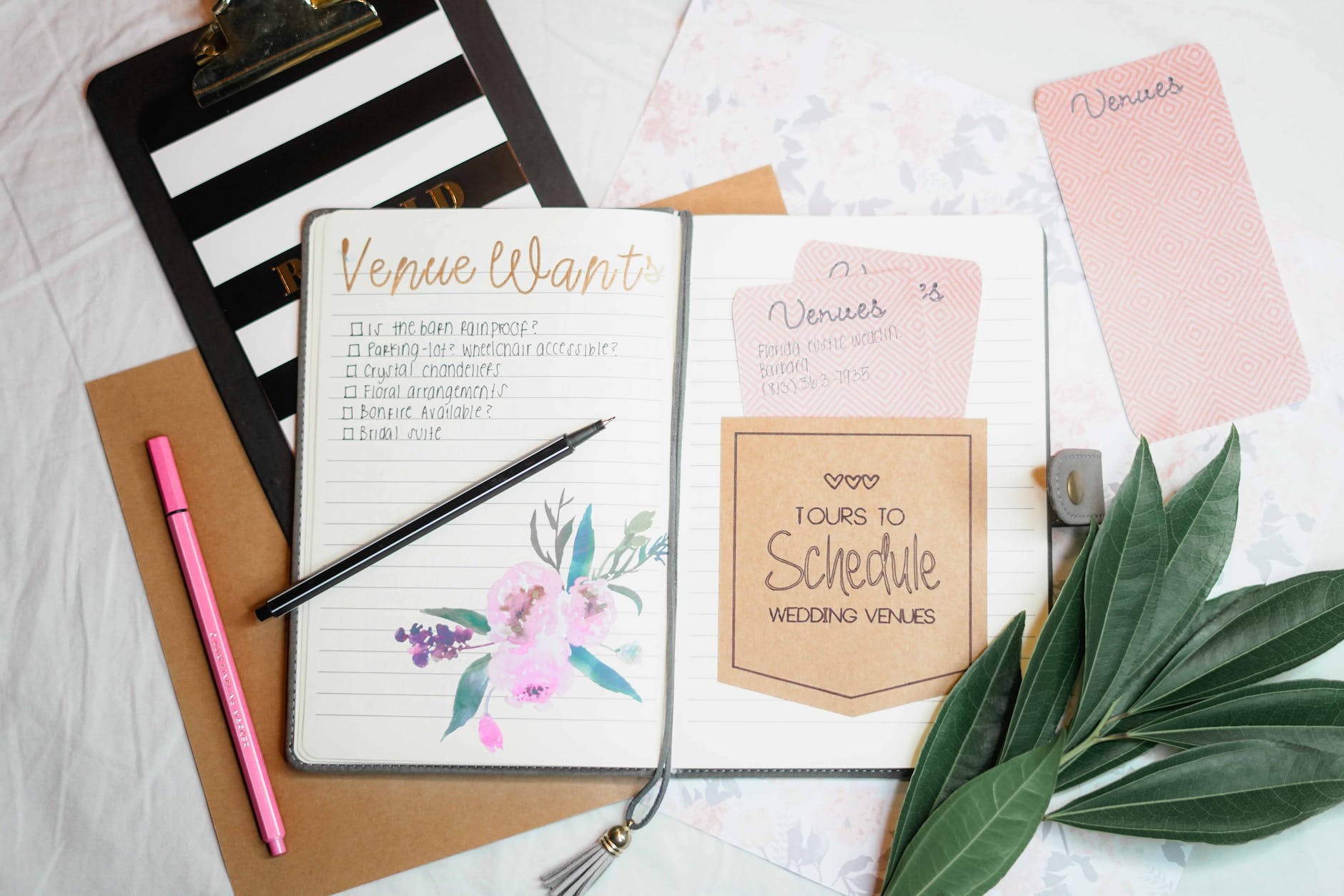
However, the bright side of things is that. There is sunshine after the rain. Where working with children who treated the swimming excursion as the happiest day of their lives (with expressions like a groom going to get married is priceless). It is a happy day where indeed working in education can be immensely rewarding like being an events wedding planner. Where you see happy marriages making 25 pages worth of planning worth it.
It has been three years since the pandemic and life has returned back to normalcy. So much so, I wondered where the “winter” season of work will come again. Three years ago, 2020 had been a “winter” season of work where Singapore entered a circuit breaker mode where my self-employed work grinds to a halt. It was a season of exercise, sleep and rest. It was a cycle of going to a park to see the sunrise and sunset. Setting off for the Parks to catch a breath of fresh air was the normal way of life.
Come June 2023, I felt that life has progressed at breakneck speed after working full time for close to 6 months. Given more work responsibilities, pockets of rest time since scarce at work. Having hurried lunches while sitting out at meetings answering boss at the right time to show alertness and mental agility is the new normal. A big change from sitting at benches on the parks idly and watch the sunset seemed to be a past luxury where time seemed like an infinite resource.
What used to be the “new normal” of doing the next set of exercise was replaced by waiting for a whole string of transport to commute home. Indeed, life this side of earth is full of paradoxes. This is where returning to normalcy can bring its own set of challenges from work pressure, tighter schedule to manage health and so forth.
Nevertheless, whether working full-time or not, life can still be beautiful. I recently enjoyed doing art pieces with my students like oil pastel blending of the sunset and night sky. I also enjoyed the joys of childhood by visiting the National Museum to gaze at the beauty of life and culture. With no restriction on group size going for art exhibitions events can be exciting and glamorous too.
Children may enjoy visiting the National Museum in Singapore for several reasons:
Interactive Exhibits: The National Museum offers various interactive exhibits designed to engage children and make learning fun. These exhibits often include hands-on activities, multimedia displays, and interactive installations, allowing children to explore and learn about history, culture, and other subjects in an interactive and engaging way.
Children’s Programs and Workshops: The museum organizes special programs and workshops tailored specifically for children. These programs may include storytelling sessions, art and craft workshops, guided tours, and educational activities. Such events are designed to stimulate children’s curiosity, creativity, and imagination, making their museum experience more enjoyable.
Children’s Museum: The National Museum features a dedicated Children’s Museum section, which is specifically designed to cater to the interests and learning needs of young visitors. This section often incorporates play areas, interactive exhibits, and storytelling corners, providing children with an immersive and age-appropriate experience.
Fascinating Artifacts and Exhibitions: The museum houses a vast collection of historical artifacts, artworks, and exhibitions that can capture the attention and curiosity of children. They can see and learn about interesting objects, such as ancient artifacts, traditional costumes, historical documents, and artworks from various periods. These exhibits can spark children’s interest in history, culture, and art.
Learning Opportunities: The National Museum provides educational opportunities for children to broaden their knowledge and understanding of Singapore’s history, heritage, and diverse cultural traditions. Through interactive displays, multimedia presentations, and engaging narratives, children can learn about the country’s past in a fun and engaging manner.
Special Events and Festivals: The museum often hosts special events and festivals throughout the year, such as children’s festivals, cultural celebrations, and holiday-themed activities. These events feature performances, workshops, and interactive experiences that cater to children’s interests, making their visit to the museum even more enjoyable and memorable.
Overall, the National Museum in Singapore offers a range of child-friendly experiences, interactive exhibits, and educational programs that can capture the attention and curiosity of children, fostering a love for learning and an appreciation for culture and history.
Like any personality type, INFPs have their own set of weaknesses. It’s important to remember that these weaknesses are not inherent flaws, but rather areas where INFPs may face challenges or may need to develop certain skills. Here are some common weaknesses associated with INFPs:
Difficulty with decision-making: INFPs can struggle with making decisions, especially when they are torn between multiple options or when decisions involve weighing logical considerations against their personal values and emotions. They may spend significant time reflecting and exploring possibilities before reaching a decision.
Tendency to avoid conflict: INFPs value harmony and may go to great lengths to avoid conflict. This aversion to confrontation can sometimes lead to difficulties in assertiveness or setting boundaries, as INFPs may prioritize maintaining peace over expressing their own needs or opinions.
Sensitivity to criticism: INFPs are often highly sensitive to criticism and may take it personally. They may be more prone to self-doubt or feelings of inadequacy when faced with negative feedback. Developing resilience and learning to separate constructive criticism from personal attacks can be beneficial.
Procrastination and disorganization: Due to their preference for flexibility and their desire to explore different options, INFPs may struggle with organization and task management. They may find it challenging to prioritize and complete tasks, especially when they lack motivation or structure.
Idealism and perfectionism: INFPs tend to have idealistic visions and high standards for themselves and others. This can lead to feelings of disappointment or frustration when reality doesn’t match their ideals. It can also result in a fear of making mistakes or taking risks, as they strive for perfection.
Difficulty with practical matters: INFPs are often more focused on the abstract and conceptual realms rather than practical or logistical considerations. They may struggle with mundane tasks or detailed planning, preferring to engage in more creative or imaginative pursuits.
Awareness of these weaknesses can help INFPs navigate them more effectively. Developing skills in decision-making, conflict resolution, organization, and time management can support personal and professional growth. It’s important to note that individual INFPs may vary in the extent to which they exhibit these weaknesses, as personal experiences and levels of personal growth can influence how these traits manifest in different individuals.
As an AI language model, I don’t have personal experiences or the ability to manage my own time for events. However, I can provide you with some general tips and strategies for managing time effectively for events. Here are a few steps you can take:
Set clear goals: Define what you want to achieve from the event and establish specific objectives. This will help you prioritize tasks and allocate time accordingly.
Create a schedule: Break down the event preparation into smaller tasks and assign specific time slots to each task. Use a calendar or a task management tool to organize your schedule effectively.
Prioritize tasks: Identify the most critical and time-sensitive tasks that need to be completed first. Focus on high-priority items to ensure you meet important deadlines.
Delegate responsibilities: If possible, delegate tasks to a team or individuals who can assist you in event preparation. Clearly communicate the responsibilities and deadlines to ensure everyone is on the same page.
Allocate buffer time: Account for unexpected delays or last-minute changes by including buffer time in your schedule. This will help you manage unforeseen circumstances without derailing your entire plan.
Break tasks into manageable chunks: Large tasks can be overwhelming, so break them down into smaller, more manageable subtasks. This approach allows you to tackle tasks more efficiently and reduces the chances of procrastination.
Avoid multitasking: While it may seem efficient, multitasking can actually decrease productivity. Instead, focus on one task at a time, complete it, and then move on to the next.
Minimize distractions: Identify common distractions and take steps to minimize or eliminate them during your scheduled event preparation time. This may involve turning off notifications on your phone, closing unnecessary browser tabs, or finding a quiet workspace.
Practice time blocking: Allocate specific time blocks for different types of tasks. For example, designate a block for brainstorming, another for logistics, and another for communication. This method helps maintain focus and prevents tasks from overlapping.
Review and adjust: Regularly review your progress and make adjustments to your schedule as needed. If you find that certain tasks are taking longer than anticipated, consider reprioritizing or reallocating resources to ensure timely completion.
Remember that effective time management requires discipline and adaptability. By following these steps and finding a routine that works for you, you can better manage your time for events and increase your productivity.
Singapore is known for its strong economy and diverse job market. There are several industries in Singapore that offer great career opportunities. Here are some of the best jobs in Singapore across different sectors:
Finance and Banking: Singapore is a global financial hub, and jobs in finance and banking are highly sought after. Roles such as investment banking, wealth management, financial analysis, and risk management are popular in this sector.
Information Technology (IT): With Singapore’s emphasis on technology and innovation, the IT industry is thriving. Jobs in software development, data science, cybersecurity, and cloud computing are in high demand.
Healthcare: Singapore has a well-developed healthcare system and offers numerous opportunities in the healthcare sector. Medical professionals, nurses, pharmacists, biomedical engineers, and healthcare administrators are highly valued.
Engineering: As Singapore continues to invest in infrastructure and technology, engineering professionals are in high demand. Civil engineering, electrical engineering, mechanical engineering, and chemical engineering are some of the sought-after fields.
Research and Development: Singapore places a strong emphasis on research and development. Jobs in scientific research, biotechnology, pharmaceuticals, and innovation sectors are highly regarded.
Digital Marketing: With the rise of e-commerce and digital platforms, there is a growing demand for digital marketing professionals in Singapore. Roles such as social media marketing, search engine optimization (SEO), content marketing, and digital analytics are popular.
Consulting: Consulting firms play a significant role in Singapore’s business landscape. Management consulting, strategy consulting, and financial consulting are some of the top positions in this sector.
Hospitality and Tourism: Singapore is a major tourist destination, and the hospitality industry is robust. Jobs in hotel management, tourism operations, event management, and customer service are abundant.
Education: Singapore is known for its excellent education system. Teaching positions in schools, universities, and private tutoring are highly valued.
Renewable Energy: As Singapore focuses on sustainability, jobs in the renewable energy sector, including solar energy and clean technology, are gaining prominence.
It’s important to note that the job market is dynamic, and the best jobs may vary over time. The demand for specific skills and industries may change based on market conditions, government initiatives, and global trends.
Is events management a glamorous and exciting field?
Events management can be a glamorous and exciting field, but it can also be demanding and challenging. The perception of glamour and excitement in events management often stems from the opportunity to organize and coordinate high-profile events, such as award ceremonies, fashion shows, conferences, and weddings. These events may involve celebrities, VIP guests, elaborate venues, and creative themes, which can add to the allure and excitement.
In the glamorous side of events management, you may have the chance to work with renowned designers, caterers, entertainment professionals, and other industry experts. You might be involved in coordinating red carpet arrivals, managing media coverage, and creating visually stunning experiences for attendees.
However, it’s important to note that behind the scenes, events management requires meticulous planning, attention to detail, and the ability to handle high-pressure situations. Event organizers often work long hours, deal with tight deadlines, and face unexpected challenges. They must handle logistics, budgeting, marketing, vendor management, and other critical aspects to ensure the success of an event.
While some aspects of events management can be glamorous and exciting, it’s essential to recognize that it also involves hard work, problem-solving, and adaptability. Success in this field relies on a combination of creativity, organizational skills, strong communication, and the ability to handle multiple tasks simultaneously.
Who is suitable for events management?
Events management can be a suitable career path for individuals who possess certain skills, qualities, and interests. Here are some characteristics that can make someone well-suited for events management:
Strong organizational skills: Events management requires meticulous planning, coordination, and attention to detail. Being able to organize and prioritize tasks, create schedules, and manage timelines effectively is essential.
Excellent communication skills: Event managers need to communicate with clients, vendors, team members, and attendees. Effective verbal and written communication skills are crucial for conveying information, negotiating contracts, and building relationships.
Creativity and problem-solving abilities: Events often require unique and innovative ideas to create memorable experiences. Being able to think creatively, solve problems on the spot, and adapt to unforeseen circumstances is important in this field.
Time management and multitasking: Events management involves handling multiple tasks simultaneously and working under tight deadlines. Strong time management skills and the ability to multitask are essential to ensure everything runs smoothly.
Attention to detail: Events involve numerous details, from logistics and contracts to decorations and scheduling. Having a keen eye for detail and being able to spot and address potential issues is vital for successful event management.
Flexibility and adaptability: Events can be unpredictable, and things may not always go as planned. Being flexible and adaptable to changes, last-minute adjustments, and unexpected situations is crucial in this fast-paced industry.
Teamwork and leadership: Events management often requires collaborating with a team of professionals, including vendors, caterers, designers, and technicians. Being able to work well with others, delegate tasks, and lead a team is important for coordinating successful events.
Passion for the industry: Having a genuine interest in event planning and a passion for creating memorable experiences can be a driving force in pursuing a career in events management.
While possessing these qualities can make someone suitable for events management, it’s also important to gain relevant education, training, and experience in the field. Practical experience through internships, volunteering, or working on smaller events can help individuals develop the necessary skills and knowledge to succeed in this industry.
Is an introvert suitable for events management?
While events management often involves working with people, networking, and communicating with various stakeholders, being an introvert does not necessarily disqualify someone from pursuing a career in this field. Introverts can bring unique strengths and skills to events management that can contribute to their success. Here are a few reasons why an introvert can be suitable for events management:
Strong listening and observation skills: Introverts are often attentive listeners and keen observers. This can be beneficial in understanding clients’ needs, gathering information, and identifying subtle details that can enhance the event experience.
Thoughtful and strategic planning: Introverts tend to be reflective and thoughtful. They can leverage these qualities to carefully plan and strategize events, considering all aspects, anticipating potential challenges, and developing comprehensive solutions.
Creativity and focus: Introverts often have rich internal worlds and can tap into their creativity and imagination. This can contribute to innovative event concepts, unique themes, and attention to detail in event design.
One-on-one connections: While introverts may not thrive in large social settings, they often excel in building meaningful connections on an individual level. This can be valuable when working closely with clients, vendors, or team members, as introverts can provide a more personalized and attentive approach.
Preparation and research skills: Introverts typically prefer to prepare thoroughly before engaging in social or professional situations. This can result in extensive research, careful planning, and being well-prepared for all aspects of event management.
Calm under pressure: Introverts often possess a calm demeanor and can remain composed during high-pressure situations. This can be advantageous when handling unexpected challenges or troubleshooting issues during events.
While introverts may need to stretch their comfort zones at times to engage with people and communicate effectively, they can leverage their innate strengths to succeed in events management. Networking, building relationships, and effective communication skills can be developed through practice and experience, allowing introverts to thrive in this dynamic industry.
Is an INFP suitable for events management?
Yes, an INFP (Introverted, Intuitive, Feeling, Perceiving) personality type can be suitable for events management. While each individual is unique, INFPs possess certain traits that can contribute to their success in this field. Here are some reasons why an INFP can be well-suited for events management:
Creativity and innovation: INFPs are often highly creative and imaginative individuals. They can bring a unique perspective to event planning, design, and themes, offering fresh and innovative ideas that can make events memorable.
Empathy and understanding: INFPs are typically empathetic and attuned to others’ emotions and needs. This can be valuable when working closely with clients, understanding their vision, and creating events that align with their preferences and desires.
Attention to detail: INFPs often pay close attention to details and have a knack for noticing subtleties. This can be advantageous in event management, where even small elements can make a significant impact on the overall experience.
Strong values and integrity: INFPs are guided by their core values and principles. This can contribute to their commitment to delivering high-quality events, maintaining ethical standards, and ensuring the event aligns with the client’s values and objectives.
Flexibility and adaptability: INFPs possess a flexible and adaptable nature. They can easily adjust plans, adapt to changes, and find creative solutions when faced with unexpected challenges or last-minute adjustments during events.
Focus on individual connections: INFPs tend to value deep connections with individuals and can establish meaningful relationships with clients, vendors, and team members. This can enhance collaboration and result in a more personalized and tailored event experience.
Attention to attendees’ experience: INFPs are often considerate of others’ experiences and emotions. They can focus on creating events that provide a positive and engaging experience for attendees, ensuring their needs and preferences are met.
Strong communication skills: While INFPs are introverted, they can develop strong communication skills, especially when it aligns with their values and the task at hand. This allows them to effectively convey their ideas, negotiate contracts, and collaborate with stakeholders.
It’s important to note that while INFPs can excel in events management, they may also face challenges related to their introverted nature, such as networking or navigating large social gatherings. However, with self-awareness, practice, and a focus on personal growth, INFPs can leverage their strengths to succeed in this field.
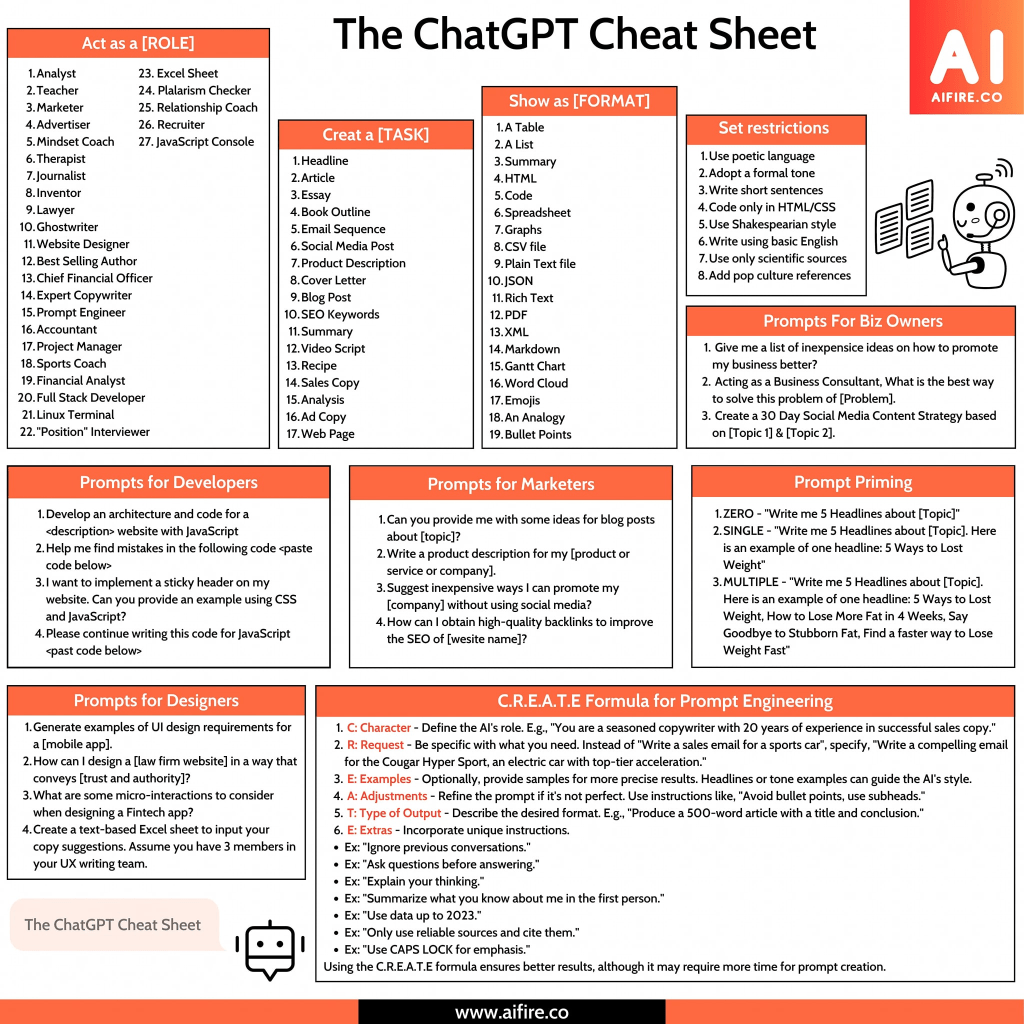
I used Lumen 5 for a project in my Virtual Events and Production course. I heard about Lumen 5 from a Digital Marketing course and I decided to return to use it this year with the launch of Chat GPT. It turned out to be effective in time saving. I realized that a video can be automatically generated with a full blog post from wordpress under 5 minutes. No longer do I have to type out a script and choose the graphics, video or layout. Advances in AI made rendering such a video fast and accurate in creating the scenes of the video.












 All about Lina Lifestyle