Creating Magic: The Art of Mentorship and Ethereal Expression

Dreaming about creating light ethereal artwork with a golden pen in a classroom setting adds even more layers of meaning to your dream. Let’s break down the elements:

1. Golden Pen

  • Symbol of Value: Gold often symbolizes wealth, value, and something precious. Using a golden pen could represent the significance of your creative work or the importance you place on the knowledge you’re imparting to your student.
  • Quality of Expression: A pen is a tool for communication and creation. A golden pen might suggest that your ideas are not just ordinary; they’re unique or elevated, perhaps indicating that your thoughts and expressions have a special quality.


2. Ethereal Artwork

  • Dreamlike Quality: The ethereal aspect suggests that the artwork transcends the mundane. It may reflect your aspirations for beauty, spirituality, or deeper meanings in your creative pursuits.
  • Connection to Higher Ideas: Creating art that feels light and otherworldly could indicate a desire to explore concepts that inspire you or to tap into your intuition and imagination.

3. Classroom Setting

  • Learning Environment: A classroom symbolizes growth, learning, and exploration. It’s a space where ideas are exchanged and knowledge is shared, highlighting your role as a teacher and guide.
  • Collaborative Creativity: Working alongside your student suggests a partnership in creativity, where you both contribute to the process. This could indicate a supportive and encouraging relationship, fostering mutual growth.

4. Interaction with Your Student

  • Mentorship: Your involvement with your student reflects your commitment to their development. It suggests a desire to inspire and empower them, guiding them in their artistic journey.
  • Shared Exploration: The act of creating together emphasizes collaboration and the blending of ideas. It may signify that you value their input and are open to new perspectives.

5. Light and Inspiration

  • Illumination: Light often represents understanding, insight, and inspiration. This dream might indicate that you’re on a path of enlightenment in your creative endeavors, perhaps discovering new insights or breakthroughs in your artistic practice.
  • Positivity and Hope: The imagery of light can also suggest feelings of hope and positivity, indicating that you’re in a good place creatively or emotionally.

Photo by Scott Webb on Pexels.com

6. Personal Reflection

  • Current Aspirations: Consider your current projects or feelings about your art. Are you seeking to elevate your work or take it in a new direction? This dream might be urging you to embrace those aspirations.
  • Emotional Connection: Reflect on how you felt during the dream. Were you excited, peaceful, or inspired? Your emotions can provide insight into how you perceive your creative journey and your relationship with your student.

Conclusion

This dream is rich with symbolism and could indicate a blossoming phase in your creative and teaching journey. It invites you to explore the value of your work, your connection with your student, and the potential for shared artistic growth. How do you feel about your current role as a mentor or artist? Do you see yourself exploring new ideas or methods in your practice?


Photo by Mikhail Nilov on Pexels.com

Embracing Change: Navigating Anxiety and Hope in a New Job After Leaving a Toxic Environment

I asked Chat GPT to interpret my dreams by asking a few questions

Question 1 : what if I dream of going for a performance in front of an audience and I am not prepared for it? I even talked to the organizers and they encouraged me to try.

Photo by Markus Spiske on Pexels.com

Dreams of performing in front of an audience unprepared can reflect a variety of feelings and situations in your waking life. Here are some possible interpretations:

  1. Anxiety and Fear of Failure: This type of dream often signifies anxiety about your ability to meet expectations. It can indicate that you are feeling unprepared or worried about an upcoming event or responsibility.
  2. Lack of Confidence: The dream might reveal a lack of confidence in your abilities or fear of being judged by others. Even if the organizers in the dream encourage you, your subconscious mind might be highlighting your self-doubt.
  3. Desire for Recognition: Performing in front of an audience could symbolize a desire for recognition and validation. The dream might reflect a part of you that wants to be acknowledged and appreciated for your talents and efforts.
  4. Opportunities and Challenges: Talking to the organizers who encourage you suggests that you might be presented with opportunities in your waking life that feel daunting. The dream could be a way of processing the encouragement and support you receive from others, even when you feel unprepared.
  5. Personal Growth: The dream might indicate a period of personal growth where you are being pushed out of your comfort zone. It suggests that even when you don’t feel ready, taking on new challenges can lead to growth and development.

Consider reflecting on your current life circumstances to identify if any of these interpretations resonate with you.

Question 2 : how does this dream relate to moving on to a new job environment (ChatGPT)

Dreaming about performing unprepared in front of an audience, especially when considering a move to a new job environment, can be quite telling. Here are some ways the dream might relate to such a transition:

Photo by Ksenia Chernaya on Pexels.com
  1. Fear of the Unknown: Starting a new job often brings uncertainty. The dream might reflect your anxieties about entering an unfamiliar environment and facing unknown challenges.
  2. Preparation Concerns: The feeling of being unprepared in the dream can mirror your concerns about whether you have the necessary skills or knowledge for your new role. It suggests a worry about meeting the expectations of your new position.
  3. Self-Doubt and Confidence: Moving to a new job can shake your confidence. The dream might highlight underlying self-doubt and fear of not living up to your new colleagues’ or employer’s standards, even if you are encouraged by others.
  4. Support and Encouragement: The organizers encouraging you in the dream symbolize the support you might be receiving in real life, such as from family, friends, or mentors. This encouragement can be a reminder that others believe in your capabilities, even if you have doubts.
  5. Desire for Success: Performing in front of an audience represents a desire for acknowledgment and success. The dream could signify your aspirations to prove yourself and achieve recognition in your new job.
  6. Growth Opportunities: Starting a new job is a significant step in personal and professional growth. The dream might be reflecting your internal processing of this major life change, emphasizing the challenges and the potential for development and learning.

Reflecting on these points can help you understand how your dream connects to your feelings about transitioning to a new job and can offer insights into managing your concerns and embracing the opportunities ahead.

Question 3: what if you are moving away from a toxic environment (ChatGPT)

If you are moving away from a toxic environment, the dream about performing unprepared in front of an audience might take on additional layers of meaning:

  1. Relief and Anxiety: Leaving a toxic environment can bring a mix of relief and anxiety. The dream might represent your relief at escaping a negative situation while also highlighting your worries about adjusting to a new, healthier environment.
  2. Fear of Repeating the Past: You might be concerned about encountering similar toxic dynamics in your new job. The dream could be expressing fears that you won’t be fully prepared to handle new challenges or that you’ll repeat past experiences.
  3. Self-Esteem and Confidence: Toxic environments often erode self-esteem. The feeling of being unprepared in the dream might reflect lingering self-doubt or a damaged sense of self-worth from your previous job.
  4. Hope and Encouragement: The organizers in the dream encouraging you might symbolize the positive support and encouragement you are hoping to find in your new environment. It can be a sign that you are seeking affirmation and reassurance as you transition.
  5. Desire for a Fresh Start: Moving away from toxicity often involves a strong desire for a fresh start and a better work environment. The dream can indicate your readiness to embrace new opportunities, even if you feel apprehensive.
  6. Personal Growth and Healing: Escaping a toxic environment is a significant step towards personal growth and healing. The dream might reflect the process of rebuilding your confidence and preparing yourself for a more positive and supportive setting.
  7. Challenge of Adaptation: Adjusting to a new, healthier work environment can be challenging, especially if you’ve been accustomed to toxicity. The dream could highlight the adjustment period and your internal processing of this major change.

Understanding these aspects can help you navigate your transition more effectively. Embracing the support and encouragement around you, acknowledging your fears, and focusing on the positive aspects of your new environment can aid in your adjustment and growth.

Photo by Rachel Claire on Pexels.com

Dreaming about performing unprepared in front of an audience can reflect various emotions and situations, especially when transitioning to a new job environment. Whether it’s fear of the unknown, preparation concerns, self-doubt, or the desire for success, these dreams can provide valuable insights into your feelings about change. When moving away from a toxic environment, such dreams might highlight the relief and anxiety of escaping negativity, the hope for a fresh start, and the challenges of rebuilding confidence.

As you embark on this new chapter, it’s essential to recognize the support and encouragement around you and to focus on the growth opportunities ahead. Reflect on your dreams and consider how they might be mirroring your current circumstances and emotions.

Dreams can serve as a powerful tool for understanding our subconscious fears and hopes during significant life transitions. By analyzing these dreams, especially in the context of moving away from a toxic environment, you can gain insights into your inner state and prepare yourself for the journey ahead.

We invite you to share your own dream interpretations or personal experiences related to job transitions and leaving toxic environments. Your stories can foster a supportive community and offer valuable perspectives to others going through similar changes.

Sprouting Success: What Dreaming of Bean Sprouts Reveals About Your Career Path

Dreaming about bean sprouts in the context of your career can be particularly insightful. Here are some potential interpretations:

  1. New Opportunities: Bean sprouts symbolize the beginning stages of growth. In your career, this might indicate that new opportunities or projects are on the horizon. It could be a sign that you are about to embark on a new venture or that a recent endeavor is starting to show promise.
  2. Personal and Professional Growth: Just as bean sprouts grow from small seeds, your dream might suggest that you are in a phase of personal or professional growth. This can indicate that the skills and efforts you have been cultivating are beginning to pay off.
  3. Innovation and Creativity: Sprouts are a result of a transformation process. Dreaming of them may indicate that you are or should be in a creative phase, coming up with innovative ideas or solutions that can lead to professional success.
  4. Nurturing Potential: Bean sprouts require care and the right environment to grow. Your dream might be telling you to focus on nurturing your talents and skills, or to create a supportive environment that will allow your career to flourish.
  5. Small Beginnings Leading to Big Outcomes: This dream could be a reminder that even small efforts and beginnings can lead to significant outcomes. It might encourage you to persist with seemingly minor tasks or projects, recognizing that they have the potential to grow into something substantial.
  6. Health and Balance: As bean sprouts are associated with health, dreaming of them in relation to your career might suggest a need for balance. It could be a reminder to maintain a healthy work-life balance and to ensure that your professional pursuits are not compromising your well-being.
  7. Patience and Persistence: Growing bean sprouts is a process that requires time and patience. In a career context, this dream might be highlighting the importance of being patient with your progress and persisting through challenges, trusting that your efforts will eventually yield results.
  8. Potential and Possibility: Bean sprouts represent potential, indicating that you have untapped potential within your career. The dream might be urging you to explore new possibilities and to believe in your capabilities to achieve more.

Reflecting on your current career situation and the specific details of the dream can help you understand how these themes apply to you personally.

Photo by Anna Nekrashevich on Pexels.com

Soaring with Vision: Embracing the Eagle Within as an INFP

Sure, I’d love to help an INFP imagine themselves as an eagle! As an INFP, you are known for your deep inner world, idealism, and sensitivity. Here’s how you can channel these traits into embodying the spirit of an eagle:

Embrace Your Vision:

  1. Soaring High: Like an eagle, you have the ability to see the big picture. Use your idealism to dream big and envision a better world. Your ability to see possibilities can guide your path, much like an eagle’s sharp vision directs its flight.
  2. Long-Term Goals: Eagles have excellent focus. As an INFP, harness your passion to set long-term goals and stay committed to them, even when the journey gets tough.

Embrace Your Independence:

  1. Solitude: Eagles often fly alone, embodying independence and self-reliance. As an INFP, you cherish your alone time for reflection and creativity. Use this solitude to nurture your inner world and recharge.
  2. Authenticity: Eagles are strong and true to their nature. Stay true to your values and principles, even if they set you apart from others. Your authenticity is your strength.

Embrace Your Strength:

  1. Resilience: Eagles can weather storms by flying above them. As an INFP, you have a quiet resilience. When faced with challenges, tap into your inner strength to rise above difficulties.
  2. Courage: Eagles are known for their fearless nature. Channel your inner courage to take risks in pursuing what you believe in, whether it’s a creative project, a cause, or a personal dream.

Embrace Your Perspective:

  1. Higher Perspective: Eagles soar at great heights, offering them a broader view. Use your ability to empathize and see different perspectives to mediate conflicts and understand others deeply.
  2. Introspection: Your introspective nature allows you to understand yourself and others profoundly. Use this insight to navigate your path and help others find theirs.

Embrace Your Grace:

  1. Elegance in Action: Eagles are graceful in flight. As an INFP, you can bring a similar grace to your actions and interactions. Your empathy and kindness can be a guiding force in how you move through the world.
  2. Harmony with Nature: Eagles are deeply connected to their environment. You, too, can find strength and peace in nature, drawing inspiration and tranquility from the world around you.

Conclusion:

By embracing these eagle-like qualities, you can harness your natural INFP traits to soar to new heights. Remember that like an eagle, you have the power to rise above, see the big picture, and pursue your dreams with determination and grace.

Navigating Career Choices: The Interplay of Enterprising, Artistic, and Social Traits

In the ever-evolving landscape of career choices, individuals often find themselves at crossroads, torn between their passions, strengths, and societal expectations. While some are drawn to the allure of entrepreneurship and innovation, others are captivated by the realms of creativity and artistry. And then there are those who thrive in the realm of human interaction, seeking fulfillment through social connections and community engagement. But what happens when these paths intersect? How can one navigate the complexities of choosing a career that encompasses enterprising, artistic, and social traits?

Photo by cottonbro studio on Pexels.com

Embracing Enterprising Spirit Enterprising individuals possess a unique drive to innovate, create opportunities, and take calculated risks. They are the visionaries, the trailblazers who dare to challenge the status quo and carve their own path. For them, a career isn’t just about stability; it’s about making a meaningful impact, whether through launching a startup, spearheading a new project, or climbing the corporate ladder with a spirit of entrepreneurship. For those with an enterprising mindset, the world is their canvas, and every challenge is an opportunity waiting to be seized. They thrive in dynamic environments where they can leverage their creativity and strategic thinking to drive growth and success. Whether it’s identifying market trends, negotiating deals, or building strong networks, their ability to see possibilities where others see obstacles sets them apart.

Photo by Hank Nielsen on Pexels.com

Unleashing Artistic Expression Artistry knows no bounds—it transcends conventional boundaries and speaks to the soul. Artistic individuals are driven by a deep passion for self-expression, channeling their creativity into various forms, be it visual arts, music, literature, or design. For them, a career isn’t just about earning a paycheck; it’s about finding fulfillment in the act of creation and sharing their unique perspective with the world. In a society that often values logic over creativity, pursuing an artistic career can be daunting. Yet, it’s precisely this ability to think outside the box, to see beauty in chaos, that fuels their innovation and ingenuity. Whether they’re painting a masterpiece, composing a symphony, or crafting a compelling story, artists bring a richness and depth to the world that enriches our collective experience.

Photo by Martin Pu00e9chy on Pexels.com

Cultivating Social Connection Human connection lies at the heart of everything we do. Social individuals thrive in environments where they can foster meaningful relationships, collaborate with others, and make a positive impact on their communities. They excel in roles that require empathy, communication, and interpersonal skills, whether it’s in the realm of counseling, teaching, healthcare, or community organizing. For those with a social disposition, a career isn’t just about personal success; it’s about building bridges, breaking down barriers, and empowering others to reach their full potential. They find joy in connecting with people from all walks of life, listening to their stories, and lending a helping hand where needed. Their ability to inspire and motivate others creates ripple effects that extend far beyond the confines of their immediate sphere.

Finding Balance and Integration While the paths of enterprising, artistic, and social careers may seem divergent at first glance, they are not mutually exclusive. In fact, the most fulfilling careers often lie at the intersection of these traits, where individuals can leverage their diverse strengths and passions to create a truly unique professional identity. Entrepreneurial artists harness their creativity to launch innovative ventures that resonate with audiences on a profound level.

Socially-minded entrepreneurs blend business acumen with a passion for social impact, driving positive change through sustainable and ethical practices. Artistic communicators weave compelling narratives that inspire action and foster connections across diverse communities. Ultimately, the key lies in embracing the multidimensionality of our interests and talents, refusing to be confined by narrow definitions or societal expectations. By honoring our enterprising, artistic, and social inclinations, we can forge careers that not only align with our values and aspirations but also contribute to a more vibrant, inclusive, and harmonious world. So, as you embark on your career journey, dare to dream boldly, create passionately, and connect deeply—your unique path awaits.

Soaring to Success: Lessons from the Eagle’s Flight, Part 2

Welcome back to our exploration of the remarkable lessons we can learn from the majestic eagle’s flight and how they apply to our professional lives. In this second installment, we delve deeper into the principles that guide us towards success and fulfillment.

  1. Strategic Vision: Eagles possess keen eyesight, enabling them to spot opportunities from great distances. Similarly, in our careers, it’s crucial to have a strategic vision that guides our actions and decisions. Take the time to define your long-term goals and chart a course to achieve them. By keeping your vision clear and focused, you can navigate obstacles with confidence and purpose.
  2. Adaptability: Eagles are masters of adaptation, capable of adjusting their flight patterns to suit changing conditions. In the dynamic landscape of the workplace, adaptability is a valuable trait that allows us to thrive amidst uncertainty. Embrace change as an opportunity for growth and innovation, and be willing to pivot when necessary. By remaining flexible and open-minded, you can stay ahead of the curve and seize new opportunities as they arise.
  3. Courageous Leadership: Eagles are symbols of strength and courage, leading their flock with confidence and determination. As professionals, we must embody similar leadership qualities, inspiring others to follow our lead. Take initiative, make bold decisions, and lead by example. By demonstrating courage in the face of adversity, you can inspire trust and motivate others to achieve greatness alongside you.
  4. Respect for Nature: Eagles are majestic creatures that command respect and admiration. In our interactions with colleagues and peers, it’s essential to cultivate a culture of mutual respect and appreciation. Treat others with kindness, empathy, and dignity, regardless of their position or background. By fostering a culture of inclusivity and respect, you create a harmonious work environment where everyone feels valued and supported.
  5. Environmental Awareness: Eagles are highly attuned to their surroundings, sensing changes in the environment before they occur. Similarly, as professionals, it’s crucial to stay informed and aware of industry trends and developments. Stay curious, seek out new knowledge, and stay ahead of the curve to remain competitive in today’s ever-evolving world. By staying informed and proactive, you can position yourself as a thought leader in your field and drive meaningful change within your organization.
  6. Gratitude and Humility: Despite their majestic stature, eagles exhibit humility and gratitude for the gifts of nature. In our professional lives, it’s essential to remain humble and grateful for the opportunities we’ve been given. Recognize and appreciate the contributions of others, and never lose sight of the importance of teamwork and collaboration. By fostering a culture of humility and gratitude, you can cultivate strong relationships and build a supportive network that propels you towards success.

Incorporating these principles into your professional journey can empower you to soar to new heights and achieve your full potential. Like the eagle, may you find strength, courage, and inspiration in your pursuit of success. Until next time, keep soaring!

Soaring Above: How to Be an Eagle and Ward Off Crow Attacks in the Workplace

In the vast expanse of the professional world, we often find ourselves navigating through a multitude of personalities and dynamics. Just like in nature, where eagles reign the skies, our workplaces are no different. Eagles are symbolic of strength, vision, and majesty, while crows are often seen as cunning and opportunistic. In the workplace, these crows can manifest as office politics, jealousy, or even direct attacks on one’s reputation or career advancement. So, how do we embody the spirit of an eagle and ward off these crow attacks? Let’s explore some strategies:

1. Develop a Strong Vision: Eagles are known for their exceptional vision, able to spot prey from great distances. Similarly, in the workplace, having a clear vision of your goals and aspirations can act as a guiding light, helping you stay focused amidst distractions and negativity. Define your career objectives and commit to them unwaveringly.

2. Maintain High Standards: Eagles are creatures of excellence, soaring high above with grace and precision. Similarly, in your professional endeavors, strive for excellence in everything you do. Whether it’s completing tasks with meticulous attention to detail or consistently delivering quality work, maintaining high standards will earn you respect and admiration from your peers.

3. Cultivate Confidence: Eagles exude confidence as they navigate the skies with unmatched prowess. Likewise, cultivating confidence in your abilities and decisions can shield you from the influence of naysayers and detractors. Believe in yourself and your capabilities, and others will be less likely to undermine your efforts.

4. Practice Resilience: Eagles encounter various challenges in their habitat, from harsh weather conditions to competing predators. Yet, they remain resilient and adaptable, finding ways to thrive despite adversity. Similarly, in the workplace, setbacks and obstacles are inevitable. Learn to bounce back from failures, setbacks, or criticisms with resilience and determination.

5. Foster Positive Relationships: Eagles are known to form strong bonds with their mates, cooperating and supporting each other in their endeavors. Likewise, cultivating positive relationships with colleagues based on trust, mutual respect, and collaboration can help create a supportive work environment. Surround yourself with individuals who uplift and inspire you, rather than those who seek to undermine or compete against you.

6. Stay Above the Fray: Eagles are skilled at avoiding conflicts and confrontations, choosing to soar above the fray instead. Similarly, in the workplace, refrain from engaging in petty office politics or gossip. Focus your energy on productive endeavors that contribute to your personal and professional growth, rather than getting entangled in drama or negativity.

7. Embrace Continuous Learning: Eagles are constantly honing their skills and adapting to their environment to maintain their competitive edge. Likewise, in your career journey, embrace a mindset of continuous learning and growth. Seek out opportunities for professional development, whether it’s through formal education, training programs, or mentorship opportunities.

In conclusion, embodying the spirit of an eagle in the workplace requires a combination of vision, excellence, confidence, resilience, positive relationships, and a commitment to continuous learning. By adopting these traits and strategies, you can soar above the challenges and ward off crow attacks, ultimately achieving success and fulfillment in your professional endeavors. So spread your wings, embrace your inner eagle, and let nothing hold you back from reaching new heights in your career.

Photo by Frans van Heerden on Pexels.com

Psalm 63:1-8 (In the Context of Work)

(psalms created by Chat GPT)

  1. O God, in the midst of my labor, my soul thirsts for You; My spirit longs for Your presence in the bustling day.
  2. I seek You earnestly in the workplace, Where distractions abound and stresses assail.
  3. Your power and glory I witness in my tasks, As I toil, let Your grace be my guide.
  4. Even amidst deadlines and pressures, I will lift my voice in praise and adoration.
  5. For You, O Lord, are my strength and my refuge; In You, I find sanctuary from the demands of work.
  6. As I navigate the challenges of my profession, Your hand upholds me, and Your love sustains me.
  7. In the boardroom or at the desk, I meditate on Your goodness and find solace.
  8. My soul clings to You; Your right hand supports me, In the journey of work, You are my steadfast rock.

In the context of work, Psalm 63 reflects the yearning for God’s presence and guidance amidst the challenges and busyness of professional life. It acknowledges God as the ultimate source of strength, refuge, and sustenance, providing comfort and reassurance in the midst of work-related stresses.

Photo by Markus Winkler on Pexels.com

From Art Nouveau to Contemporary: A Journey Through the Evolution of Artistic Expression

(article by chat GPT)

Art is a reflection of the cultural, social, and philosophical landscape of its time. Throughout history, artistic movements have emerged, each with its own unique characteristics and influences. Among these movements, Art Nouveau, Modernism, Postmodernism, and Contemporary art stand out as significant milestones, each marking a distinct shift in artistic expression and ideology.

Photo by Vidit Goel on Pexels.com

Art Nouveau: Embracing Nature and Ornamentation

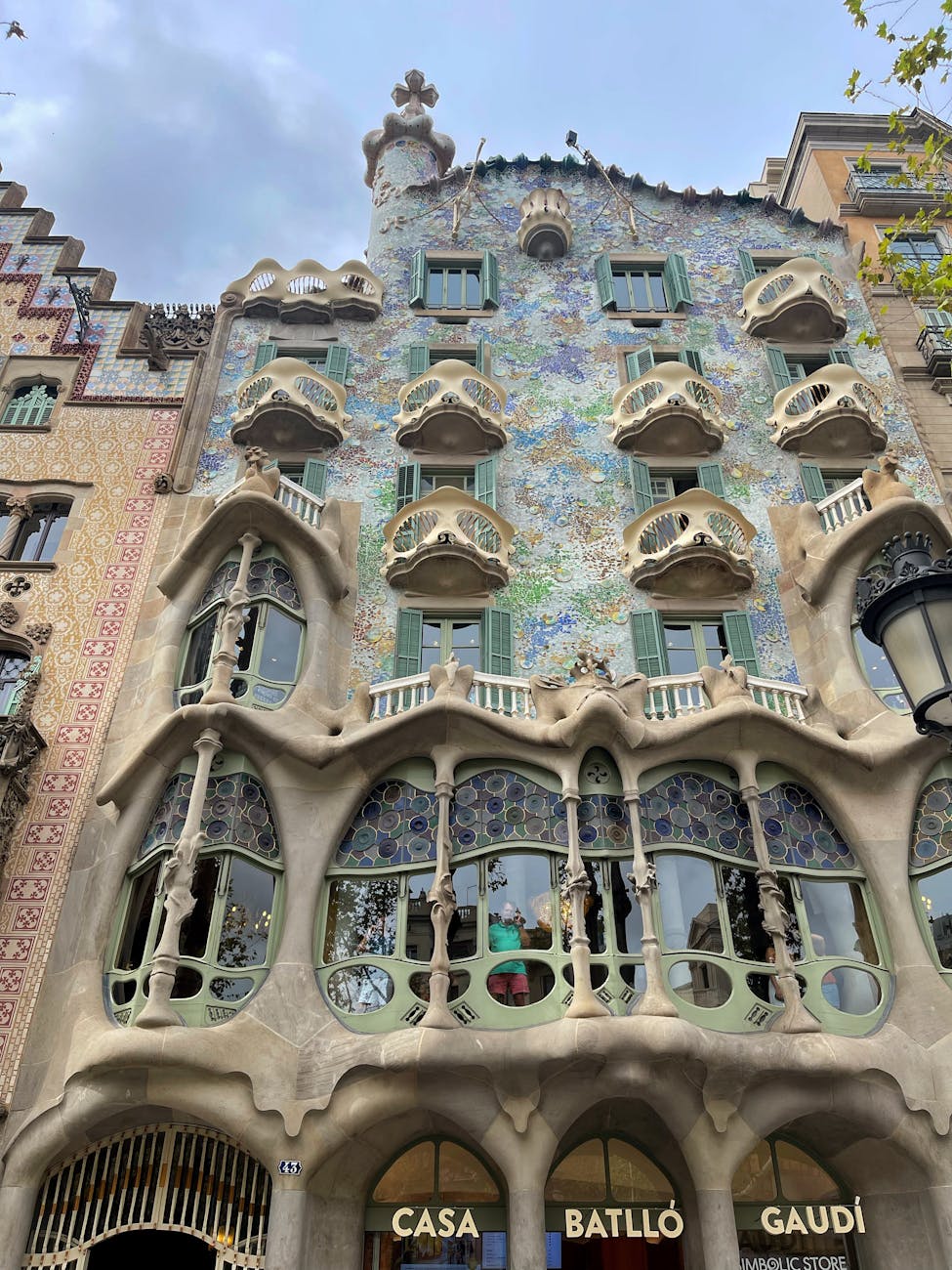
Art Nouveau, originating in the late 19th century, was a reaction against the academic art of the time. It sought to break away from the rigid constraints of academic tradition and embrace a new aesthetic characterized by flowing lines, organic forms, and intricate ornamentation. Inspired by nature, Art Nouveau artists celebrated the beauty of the natural world, incorporating motifs such as flowers, plants, and insects into their designs.

One of the defining features of Art Nouveau was its emphasis on total art, or Gesamtkunstwerk, where artists sought to create a unified artistic experience across various mediums, including architecture, interior design, furniture, and decorative arts. This holistic approach to art and design laid the groundwork for the integration of art into everyday life, influencing everything from architecture to household objects.

Modernism: Innovation and Avant-Garde

As the 20th century dawned, a new artistic paradigm emerged with the rise of Modernism. Characterized by a rejection of traditional forms and a pursuit of innovation, Modernism encompassed a wide range of styles and movements, including Cubism, Futurism, and Constructivism. At its core, Modernism was a response to the rapid changes brought about by industrialization, urbanization, and the upheaval of World War I.

Modernist artists sought to capture the dynamism and complexity of modern life through fragmented forms, bold colors, and experimentation with perspective. They embraced new technologies and materials, pushing the boundaries of artistic expression and challenging conventional notions of beauty and representation.

Photo by Maria Orlova on Pexels.com

Postmodernism: Deconstruction and Pluralism

In the latter half of the 20th century, the art world witnessed the emergence of Postmodernism, a movement characterized by its skepticism of grand narratives and rejection of absolute truths. Postmodern artists questioned the authority of traditional artistic hierarchies and challenged the notion of originality and authenticity.

Central to Postmodernism was the concept of deconstruction, which involved breaking down established norms and conventions to reveal underlying power structures and cultural assumptions. Artists embraced irony, pastiche, and appropriation, borrowing freely from diverse sources and blurring the boundaries between high and low culture.

Photo by Yasir Gu00fcrbu00fcz on Pexels.com

Contemporary Art: Diversity and Globalization

As we enter the 21st century, the landscape of art continues to evolve, shaped by globalization, technological advancements, and the interconnectedness of our world. Contemporary art encompasses a diverse range of practices, from traditional painting and sculpture to new media, performance art, and conceptual installations.

One of the defining characteristics of contemporary art is its embrace of diversity and inclusivity, reflecting the complex realities of our globalized society. Artists draw inspiration from a myriad of sources, incorporating elements of cultural hybridity, identity politics, and social activism into their work. The boundaries between art and life continue to blur, as artists explore new modes of expression and engage with pressing social, political, and environmental issues.

Photo by Vecislavas Popa on Pexels.com

In conclusion, the evolution of art from Art Nouveau to Contemporary reflects the changing values, beliefs, and aspirations of society. Each movement represents a response to the challenges and opportunities of its time, leaving an indelible mark on the trajectory of artistic expression. As we look to the future, one thing remains certain: art will continue to push boundaries, provoke thought, and inspire dialogue, serving as a mirror to our ever-changing world.

The Evolution of Architecture: From Gothic Grandeur to Neoclassical Elegance

(article by Chat GPT)

In the rich tapestry of architectural history, few transitions have been as visually striking and culturally significant as the shift from Gothic to Neoclassical architecture. These two styles represent not just changes in design preferences, but also profound shifts in societal values, religious beliefs, and philosophical outlooks.

Photo by Pixabay on Pexels.com

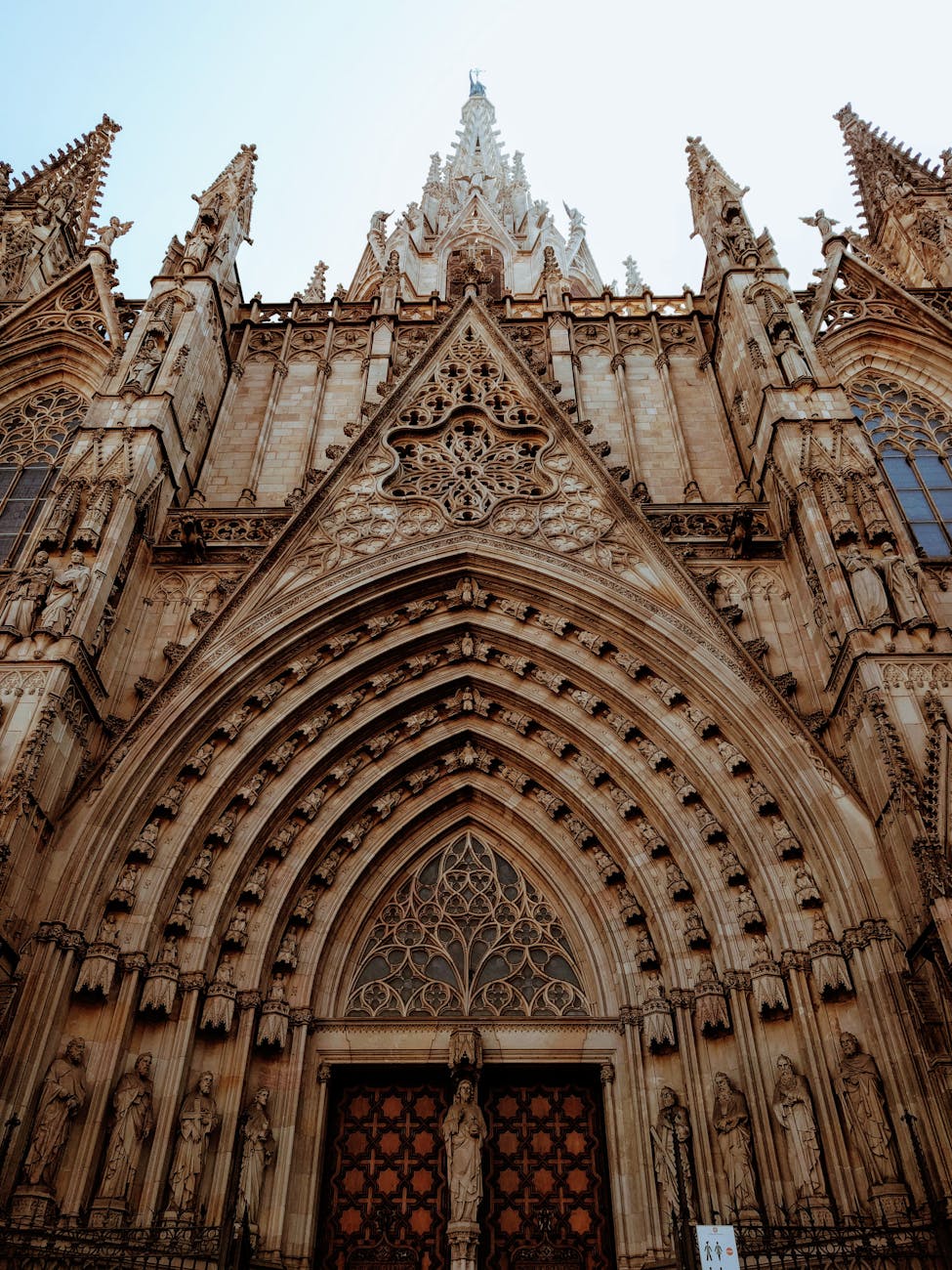
Gothic architecture, with its soaring cathedrals, intricate stone tracery, and pointed arches, emerged in the High Middle Ages as a testament to the spiritual aspirations of medieval Europe. Cathedrals like Notre-Dame de Paris and the towering spires of Chartres Cathedral exemplify the awe-inspiring majesty of the Gothic style, intended to inspire humility and devotion in worshippers.

However, by the 16th century, Renaissance ideas began to permeate Europe, leading to a revival of interest in the classical architecture of ancient Greece and Rome. This revival gained momentum during the 18th century with the rise of Neoclassicism, a movement characterized by its adherence to classical principles of symmetry, proportion, and order.

Neoclassical architecture rejected the ornate complexity of the Gothic style in favor of clean lines, restrained ornamentation, and a focus on rationality and logic. Buildings like the Parthenon-inspired United States Capitol in Washington, D.C., and the grandiose Royal Crescent in Bath, England, exemplify the elegance and harmony of Neoclassical design.

The transition from Gothic to Neoclassical architecture reflects broader cultural shifts, including the waning influence of the Church, the rise of humanism and scientific inquiry, and the political upheavals of the Enlightenment era. While Gothic architecture spoke to the spiritual aspirations of an age dominated by faith, Neoclassical architecture embodied the ideals of reason, progress, and civic virtue that characterized the Age of Enlightenment.

Yet, despite their differences, both Gothic and Neoclassical architecture continue to captivate and inspire us today. Whether we stand in awe before the soaring vaults of a medieval cathedral or marvel at the symmetrical perfection of a neoclassical façade, these architectural styles remind us of the enduring power of human creativity and the timeless quest for beauty, meaning, and transcendence.

Photo by Bruno Joseph on Pexels.com
Design a site like this with WordPress.com
Get started