As an AI language model, I don’t have personal experiences or the ability to manage my own time for events. However, I can provide you with some general tips and strategies for managing time effectively for events. Here are a few steps you can take:
Set clear goals: Define what you want to achieve from the event and establish specific objectives. This will help you prioritize tasks and allocate time accordingly.
Create a schedule: Break down the event preparation into smaller tasks and assign specific time slots to each task. Use a calendar or a task management tool to organize your schedule effectively.
Prioritize tasks: Identify the most critical and time-sensitive tasks that need to be completed first. Focus on high-priority items to ensure you meet important deadlines.
Delegate responsibilities: If possible, delegate tasks to a team or individuals who can assist you in event preparation. Clearly communicate the responsibilities and deadlines to ensure everyone is on the same page.
Allocate buffer time: Account for unexpected delays or last-minute changes by including buffer time in your schedule. This will help you manage unforeseen circumstances without derailing your entire plan.
Break tasks into manageable chunks: Large tasks can be overwhelming, so break them down into smaller, more manageable subtasks. This approach allows you to tackle tasks more efficiently and reduces the chances of procrastination.
Avoid multitasking: While it may seem efficient, multitasking can actually decrease productivity. Instead, focus on one task at a time, complete it, and then move on to the next.
Minimize distractions: Identify common distractions and take steps to minimize or eliminate them during your scheduled event preparation time. This may involve turning off notifications on your phone, closing unnecessary browser tabs, or finding a quiet workspace.
Practice time blocking: Allocate specific time blocks for different types of tasks. For example, designate a block for brainstorming, another for logistics, and another for communication. This method helps maintain focus and prevents tasks from overlapping.
Review and adjust: Regularly review your progress and make adjustments to your schedule as needed. If you find that certain tasks are taking longer than anticipated, consider reprioritizing or reallocating resources to ensure timely completion.
Remember that effective time management requires discipline and adaptability. By following these steps and finding a routine that works for you, you can better manage your time for events and increase your productivity.
Singapore is known for its strong economy and diverse job market. There are several industries in Singapore that offer great career opportunities. Here are some of the best jobs in Singapore across different sectors:
Finance and Banking: Singapore is a global financial hub, and jobs in finance and banking are highly sought after. Roles such as investment banking, wealth management, financial analysis, and risk management are popular in this sector.
Information Technology (IT): With Singapore’s emphasis on technology and innovation, the IT industry is thriving. Jobs in software development, data science, cybersecurity, and cloud computing are in high demand.
Healthcare: Singapore has a well-developed healthcare system and offers numerous opportunities in the healthcare sector. Medical professionals, nurses, pharmacists, biomedical engineers, and healthcare administrators are highly valued.
Engineering: As Singapore continues to invest in infrastructure and technology, engineering professionals are in high demand. Civil engineering, electrical engineering, mechanical engineering, and chemical engineering are some of the sought-after fields.
Research and Development: Singapore places a strong emphasis on research and development. Jobs in scientific research, biotechnology, pharmaceuticals, and innovation sectors are highly regarded.
Digital Marketing: With the rise of e-commerce and digital platforms, there is a growing demand for digital marketing professionals in Singapore. Roles such as social media marketing, search engine optimization (SEO), content marketing, and digital analytics are popular.
Consulting: Consulting firms play a significant role in Singapore’s business landscape. Management consulting, strategy consulting, and financial consulting are some of the top positions in this sector.
Hospitality and Tourism: Singapore is a major tourist destination, and the hospitality industry is robust. Jobs in hotel management, tourism operations, event management, and customer service are abundant.
Education: Singapore is known for its excellent education system. Teaching positions in schools, universities, and private tutoring are highly valued.
Renewable Energy: As Singapore focuses on sustainability, jobs in the renewable energy sector, including solar energy and clean technology, are gaining prominence.
It’s important to note that the job market is dynamic, and the best jobs may vary over time. The demand for specific skills and industries may change based on market conditions, government initiatives, and global trends.
Is events management a glamorous and exciting field?
Events management can be a glamorous and exciting field, but it can also be demanding and challenging. The perception of glamour and excitement in events management often stems from the opportunity to organize and coordinate high-profile events, such as award ceremonies, fashion shows, conferences, and weddings. These events may involve celebrities, VIP guests, elaborate venues, and creative themes, which can add to the allure and excitement.
In the glamorous side of events management, you may have the chance to work with renowned designers, caterers, entertainment professionals, and other industry experts. You might be involved in coordinating red carpet arrivals, managing media coverage, and creating visually stunning experiences for attendees.
However, it’s important to note that behind the scenes, events management requires meticulous planning, attention to detail, and the ability to handle high-pressure situations. Event organizers often work long hours, deal with tight deadlines, and face unexpected challenges. They must handle logistics, budgeting, marketing, vendor management, and other critical aspects to ensure the success of an event.
While some aspects of events management can be glamorous and exciting, it’s essential to recognize that it also involves hard work, problem-solving, and adaptability. Success in this field relies on a combination of creativity, organizational skills, strong communication, and the ability to handle multiple tasks simultaneously.
Who is suitable for events management?
Events management can be a suitable career path for individuals who possess certain skills, qualities, and interests. Here are some characteristics that can make someone well-suited for events management:
Strong organizational skills: Events management requires meticulous planning, coordination, and attention to detail. Being able to organize and prioritize tasks, create schedules, and manage timelines effectively is essential.
Excellent communication skills: Event managers need to communicate with clients, vendors, team members, and attendees. Effective verbal and written communication skills are crucial for conveying information, negotiating contracts, and building relationships.
Creativity and problem-solving abilities: Events often require unique and innovative ideas to create memorable experiences. Being able to think creatively, solve problems on the spot, and adapt to unforeseen circumstances is important in this field.
Time management and multitasking: Events management involves handling multiple tasks simultaneously and working under tight deadlines. Strong time management skills and the ability to multitask are essential to ensure everything runs smoothly.
Attention to detail: Events involve numerous details, from logistics and contracts to decorations and scheduling. Having a keen eye for detail and being able to spot and address potential issues is vital for successful event management.
Flexibility and adaptability: Events can be unpredictable, and things may not always go as planned. Being flexible and adaptable to changes, last-minute adjustments, and unexpected situations is crucial in this fast-paced industry.
Teamwork and leadership: Events management often requires collaborating with a team of professionals, including vendors, caterers, designers, and technicians. Being able to work well with others, delegate tasks, and lead a team is important for coordinating successful events.
Passion for the industry: Having a genuine interest in event planning and a passion for creating memorable experiences can be a driving force in pursuing a career in events management.
While possessing these qualities can make someone suitable for events management, it’s also important to gain relevant education, training, and experience in the field. Practical experience through internships, volunteering, or working on smaller events can help individuals develop the necessary skills and knowledge to succeed in this industry.
Is an introvert suitable for events management?
While events management often involves working with people, networking, and communicating with various stakeholders, being an introvert does not necessarily disqualify someone from pursuing a career in this field. Introverts can bring unique strengths and skills to events management that can contribute to their success. Here are a few reasons why an introvert can be suitable for events management:
Strong listening and observation skills: Introverts are often attentive listeners and keen observers. This can be beneficial in understanding clients’ needs, gathering information, and identifying subtle details that can enhance the event experience.
Thoughtful and strategic planning: Introverts tend to be reflective and thoughtful. They can leverage these qualities to carefully plan and strategize events, considering all aspects, anticipating potential challenges, and developing comprehensive solutions.
Creativity and focus: Introverts often have rich internal worlds and can tap into their creativity and imagination. This can contribute to innovative event concepts, unique themes, and attention to detail in event design.
One-on-one connections: While introverts may not thrive in large social settings, they often excel in building meaningful connections on an individual level. This can be valuable when working closely with clients, vendors, or team members, as introverts can provide a more personalized and attentive approach.
Preparation and research skills: Introverts typically prefer to prepare thoroughly before engaging in social or professional situations. This can result in extensive research, careful planning, and being well-prepared for all aspects of event management.
Calm under pressure: Introverts often possess a calm demeanor and can remain composed during high-pressure situations. This can be advantageous when handling unexpected challenges or troubleshooting issues during events.
While introverts may need to stretch their comfort zones at times to engage with people and communicate effectively, they can leverage their innate strengths to succeed in events management. Networking, building relationships, and effective communication skills can be developed through practice and experience, allowing introverts to thrive in this dynamic industry.
Is an INFP suitable for events management?
Yes, an INFP (Introverted, Intuitive, Feeling, Perceiving) personality type can be suitable for events management. While each individual is unique, INFPs possess certain traits that can contribute to their success in this field. Here are some reasons why an INFP can be well-suited for events management:
Creativity and innovation: INFPs are often highly creative and imaginative individuals. They can bring a unique perspective to event planning, design, and themes, offering fresh and innovative ideas that can make events memorable.
Empathy and understanding: INFPs are typically empathetic and attuned to others’ emotions and needs. This can be valuable when working closely with clients, understanding their vision, and creating events that align with their preferences and desires.
Attention to detail: INFPs often pay close attention to details and have a knack for noticing subtleties. This can be advantageous in event management, where even small elements can make a significant impact on the overall experience.
Strong values and integrity: INFPs are guided by their core values and principles. This can contribute to their commitment to delivering high-quality events, maintaining ethical standards, and ensuring the event aligns with the client’s values and objectives.
Flexibility and adaptability: INFPs possess a flexible and adaptable nature. They can easily adjust plans, adapt to changes, and find creative solutions when faced with unexpected challenges or last-minute adjustments during events.
Focus on individual connections: INFPs tend to value deep connections with individuals and can establish meaningful relationships with clients, vendors, and team members. This can enhance collaboration and result in a more personalized and tailored event experience.
Attention to attendees’ experience: INFPs are often considerate of others’ experiences and emotions. They can focus on creating events that provide a positive and engaging experience for attendees, ensuring their needs and preferences are met.
Strong communication skills: While INFPs are introverted, they can develop strong communication skills, especially when it aligns with their values and the task at hand. This allows them to effectively convey their ideas, negotiate contracts, and collaborate with stakeholders.
It’s important to note that while INFPs can excel in events management, they may also face challenges related to their introverted nature, such as networking or navigating large social gatherings. However, with self-awareness, practice, and a focus on personal growth, INFPs can leverage their strengths to succeed in this field.
I used Lumen 5 for a project in my Virtual Events and Production course. I heard about Lumen 5 from a Digital Marketing course and I decided to return to use it this year with the launch of Chat GPT. It turned out to be effective in time saving. I realized that a video can be automatically generated with a full blog post from wordpress under 5 minutes. No longer do I have to type out a script and choose the graphics, video or layout. Advances in AI made rendering such a video fast and accurate in creating the scenes of the video.
I was given a task to plan an event for children. I liked the previous event idea on using plastic cups to build a tower. I wanted to think of a similar idea from scratch using a similar structure but was not able to process what I wanted. I wanted a modification from using the same materials which is plastic cups and generate a new game idea altogether.
Chat GPT assisted me in a minute coming up with quality instructions after I prompted it to generate an idea. Now, I can consider a really cool game and think about its feasibility for the class. It even has a conclusion to help me think about the skills children can build on.
Game 4: Straw Bridge
Materials: Drinking straws, masking tape, scissors, weights (e.g. small objects like marbles or coins), ruler, paper, pens/pencils.
Game Instruction:
Divide students into teams of 3-4.
Each team will be given 50-60 straws and a roll of masking tape.
Teams will have 10-15 minutes to design and build a bridge using only straws and tape.
Once the time is up, each team will place their bridge between two tables, with the ends of the bridge resting on each table.
The bridge should be long enough to span the gap between the two tables and strong enough to support the weight of objects placed on it.
Each team will take turns placing weights (e.g. marbles or coins) on their bridge until it collapses.
The team whose bridge holds the most weight before collapsing wins the game.
The winning team can receive a small prize or recognition from the teacher.
This game requires creativity, teamwork, and problem-solving skills, as students will have to design and construct a bridge using only straws and tape. They will also need to work together to ensure that their bridge can support the weight of the objects placed on it. The game can also be modified by adding more constraints, such as a time limit or specific design requirements.
Another incredible commentary on 4 ways human beings can stay unique even with Chat GPT https://lnkd.in/gp5dEiQ3
The article you shared discusses four ways that human beings can stay unique amid the advancement of artificial intelligence and automation. These four ways are:
Embrace creativity and innovation: Creativity and innovation are two areas where humans have a clear advantage over AI and automation. Human beings have the ability to think outside the box and come up with original ideas that machines cannot replicate. Therefore, it is essential for individuals and organizations to foster creativity and innovation to stay ahead of the game.
Develop emotional intelligence: Emotional intelligence is the ability to identify and manage one’s own emotions, as well as the emotions of others. While AI and automation may be able to perform tasks faster and more accurately than humans, they do not have emotional intelligence. Therefore, developing emotional intelligence is a way for humans to differentiate themselves from machines and add value to their work.
Focus on lifelong learning: As AI and automation continue to evolve, the skills that are in demand in the workforce will also change. Therefore, it is important for individuals to focus on lifelong learning and constantly update their skills to stay relevant in their respective fields.
Prioritize ethical considerations: As machines become more sophisticated, there is a risk that they may make decisions that are not aligned with human values and ethics. Therefore, it is essential for individuals and organizations to prioritize ethical considerations when developing and implementing AI and automation solutions.
Overall, the article emphasizes the importance of embracing human strengths and values to stay relevant in the age of AI and automation. By focusing on creativity, emotional intelligence, lifelong learning, and ethical considerations, humans can maintain their unique place in the workforce and society.
The LinkedIn post features a hands-on demonstration of ChatGPT, showcasing its various uses for businesses and individuals. The demonstration highlights how ChatGPT can be used to generate personalized content for social media, answer customer queries, and even help with career development.
The video shows how ChatGPT can be used to generate social media posts based on specific keywords or themes. For example, a user can input the keyword “travel” and ChatGPT will generate a list of travel-related content ideas that can be used for social media posts.
The demonstration also shows how ChatGPT can be used to answer customer queries. A user can input a question, and ChatGPT will generate a response based on its vast database of knowledge. This feature can be particularly useful for businesses that receive a high volume of customer queries.
Finally, the video showcases how ChatGPT can be used for career development. A user can input their resume, and ChatGPT will provide feedback and suggestions for improvement. This feature can be useful for job seekers who want to improve their chances of landing a job interview.
Overall, the video highlights the versatility of ChatGPT and how it can be used to save time and improve efficiency for businesses and individuals.
“Pigasso and Mootise” is a children’s book by Nina Laden. The book is a playful and imaginative take on the lives and work of two famous artists, Pablo Picasso and Henri Matisse, as if they were pigs.
In the book, Pigasso is a pig who loves to paint in a cubist style, just like Picasso, while Mootise is a pig who loves to paint in bold, bright colors, just like Matisse. The two pigs become friends and decide to collaborate on a painting, combining their unique styles to create a beautiful work of art.
Through its fun and creative illustrations, “Pigasso and Mootise” introduces young readers to the world of art and encourages them to explore their own creativity and imagination. The book also celebrates the friendship and collaboration between two artists who had very different styles, showing how different perspectives can come together to create something truly special.
I tried Chat GPT again and find many different questions on kindness. Found these questions necessary to make the world a better place. Sometimes being a child and asking many questions about kindness can do wonders for our emotional and social health.
What is your definition of kindness, and how do you practice it in your daily life?
How has someone’s act of kindness impacted your life positively?
In what ways can small acts of kindness have a big impact on others?
What are some examples of selfless kindness, and why are they important?
How can we encourage kindness in our communities and make it a more significant part of our culture?
What are some common misconceptions about kindness, and how can we overcome them?
Can kindness be taught, or is it an innate characteristic that some people possess?
How does showing kindness to others benefit our mental and emotional well-being?
How can we show kindness to those who may be different from us or hold opposing views?
How can we incorporate kindness into our daily routines and make it a habit?
Trying out my mobile Chat GPT and felt that it is a really accurate in explaining what a hybrid event is.
A hybrid event is an event that combines both virtual and in-person components. This means that participants can attend either in person or online, and the event is designed to give both groups the same quality of experience. Hybrid event production involves the planning, execution, and management of such events using technology and other audiovisual equipment to create a seamless experience for both types of attendees. It may include live streaming, video conferencing, and other methods to connect both groups in real-time. The goal of hybrid event production is to create an engaging and interactive experience that offers attendees the flexibility to participate in a way that suits them best.
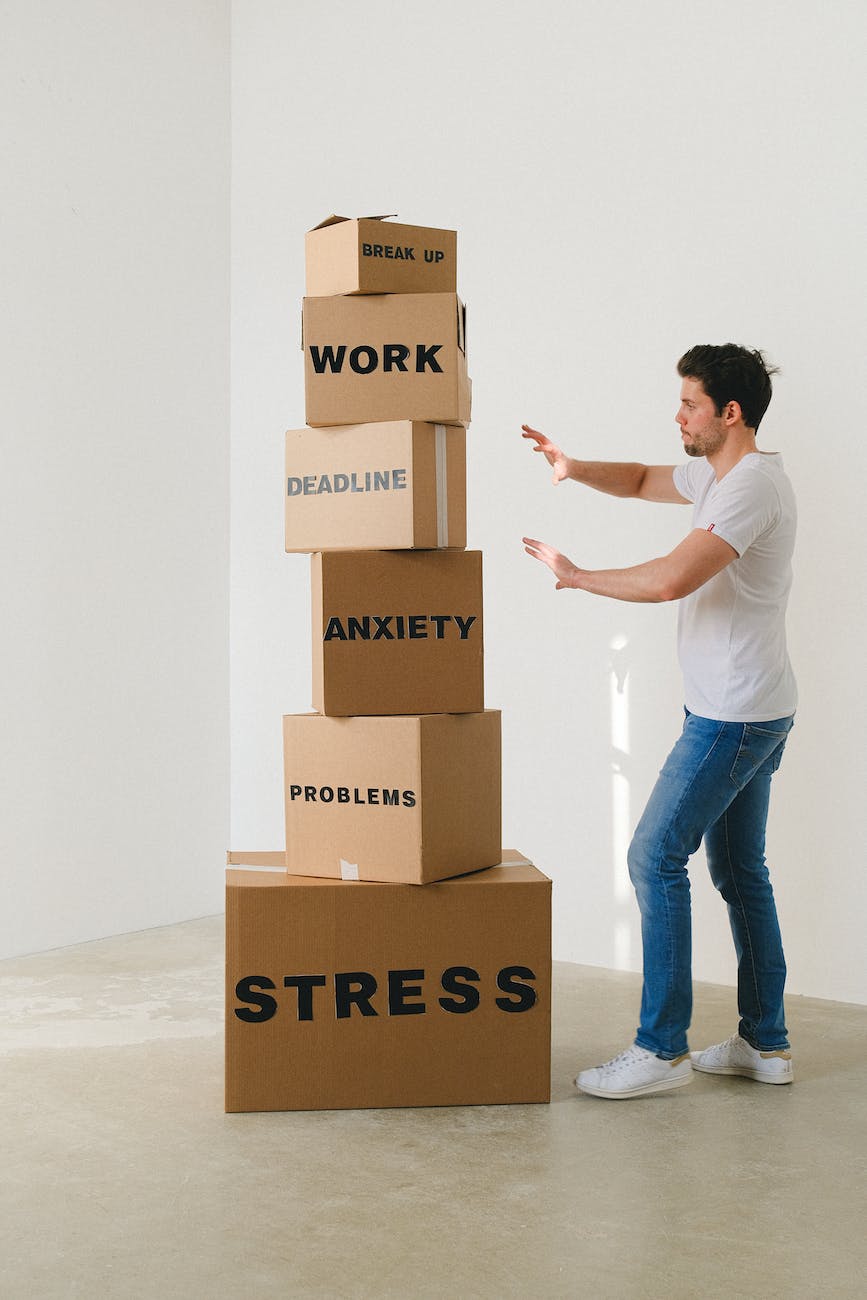
I tried Chat GPT for the first time today. It was quite a fun and relaxing experience generating responses. I read through the 10 ways to avoid burnout and felt that they are highly applicable a quarter through the year. Finally, the 1st of May is coming here I look forward to a real Labour’s Day holiday to take stock of my goals and hopefully prevent a state of burnout from happening in this highly stressful profession called teaching.
Practice Self-Care: Taking care of yourself is the key to preventing burnout. Make sure to get enough rest, eat healthy foods, and exercise regularly. Take breaks during the day to recharge your batteries and engage in activities that bring you joy.
Set Boundaries: Establish clear boundaries around your work and personal life. Avoid overcommitting yourself and learn to say no when necessary.
Manage Your Time Effectively: Prioritize your tasks and set realistic deadlines. Avoid procrastination and plan ahead to reduce stress.
Learn to Delegate: Delegate tasks to others when possible. This not only frees up your time but also helps to develop the skills of those around you.
Practice Mindfulness: Incorporate mindfulness practices into your daily routine. This can include meditation, deep breathing, or yoga.
Connect with Others: Stay connected with friends, family, and colleagues. Social support can help to reduce stress and prevent burnout.
Take a Break: Take regular vacations or time off from work. This can help you to recharge your batteries and return to work feeling refreshed.
Pursue Hobbies and Interests: Engage in activities outside of work that bring you joy. This can help to reduce stress and promote a sense of fulfillment.
Seek Support: Seek professional support if you are struggling with burnout or mental health concerns. This can include counseling or therapy.
Prioritize Self-Reflection: Take time to reflect on your values, goals, and priorities. This can help you to make intentional choices that align with your personal and professional aspirations.
While reading a Fortune’s article addressed to bosses, I have been thinking about the benefits of a being gainfully employed full time for 4 months now. I remembered struggling moving from self-employment and then juggling my side gig with part time employment and now steadily moving towards more full time job responsibilities.
I felt that the transition was not easy due to a lack of certainty in what an organizational culture is like. What I would say is that compared to 10 years ago, I found a reason to move towards full time employment due to the capability of just one boss. If I were in her shoes, I would definitely feel that there is more to “invest” in human capital.
There is a lot of volatility in work life and I would say that either self-employment or full-time employment is no walk in the park. I was reading an article on the seven strategies written to the CEO or boss of a company and I could concur with the article’s views.