Lunar New Year greetings are often spoken quickly, exchanged with a smile, tucked into red envelopes, or typed into group chats between firework videos and reunion dinner photos. But each phrase carries layers of history, cultural memory, and hope. These aren’t just polite sayings. They are compressed prayers — blessings shaped by centuries of longing for stability, prosperity, family harmony, and personal strength.
Here’s a closer look at the nine greetings and the deeper meaning behind each one.
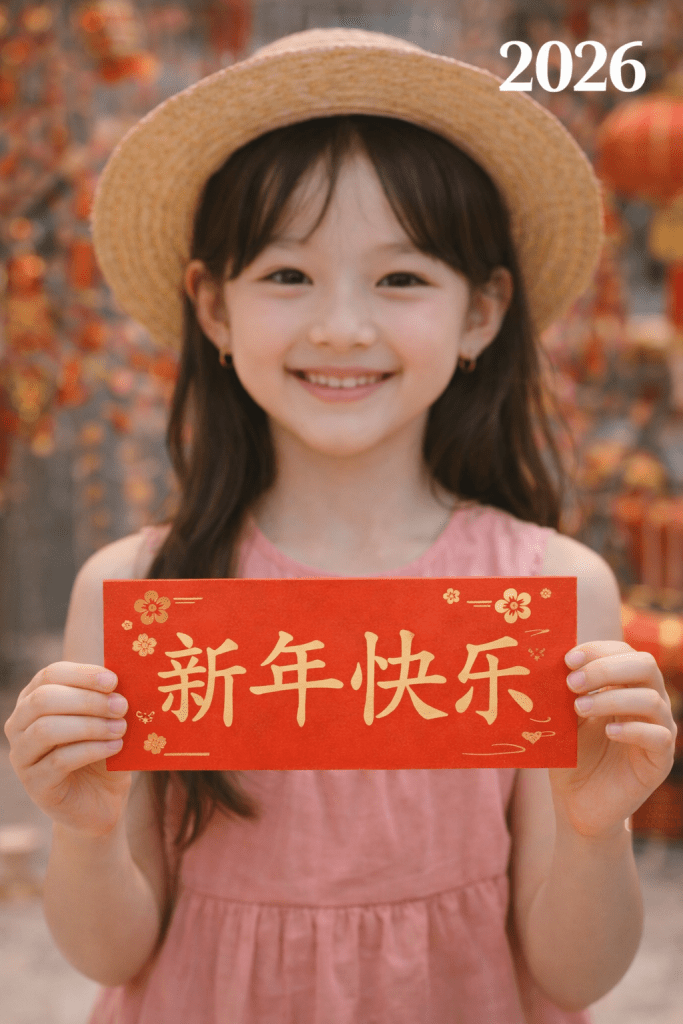
1. 新年快乐 — “Happy New Year”
This is the most universal greeting. Simple. Direct. Joyful.
But even this straightforward phrase carries weight. “新” (new) implies renewal — not just another calendar flip, but a resetting of spirit. Lunar New Year has always symbolized cleansing the old and welcoming the new: debts repaid, grudges released, homes swept clean. Happiness here isn’t shallow excitement. It’s a hope that the coming year will feel lighter than the one before it.
In many ways, 新年快乐 is less about celebration and more about possibility.
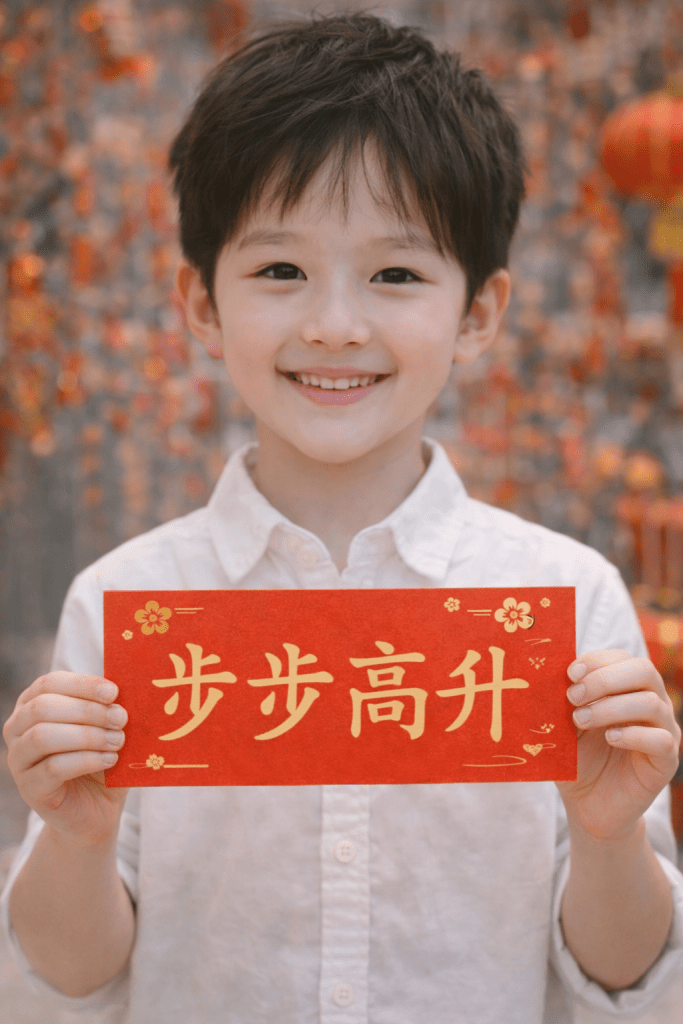
2. 步步高升 — “Rise Higher With Every Step”
Literally translated, this means “step by step, rise higher.” Traditionally, it speaks to career advancement and social mobility. In agrarian societies and later in bureaucratic systems, upward movement meant survival, security, and honor for one’s family.
But beyond promotions and titles, 步步高升 speaks to steady progress. Not leaps. Not shortcuts. Steps. It acknowledges that growth is incremental. The blessing here is not sudden wealth — it is sustained elevation.
It is a wish that your effort compounds.
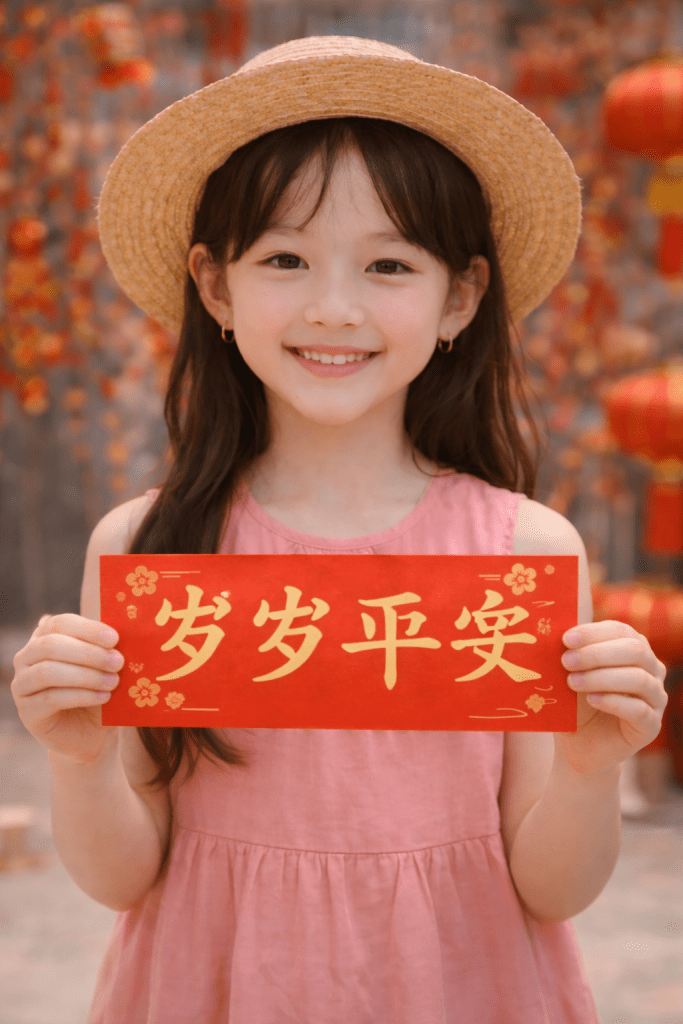
3. 岁岁平安 — “Peace Year After Year”
“岁岁” means “every year,” and “平安” means peace and safety. In ancient times, when famine, war, and illness were real threats, this greeting was profoundly practical. Peace wasn’t abstract; it meant survival.
Today, its meaning has deepened rather than diminished. Peace now includes emotional steadiness, health, relational harmony, and freedom from chaos. It is a quiet blessing — not flashy, not loud — but foundational.
Without peace, none of the other blessings can be enjoyed.
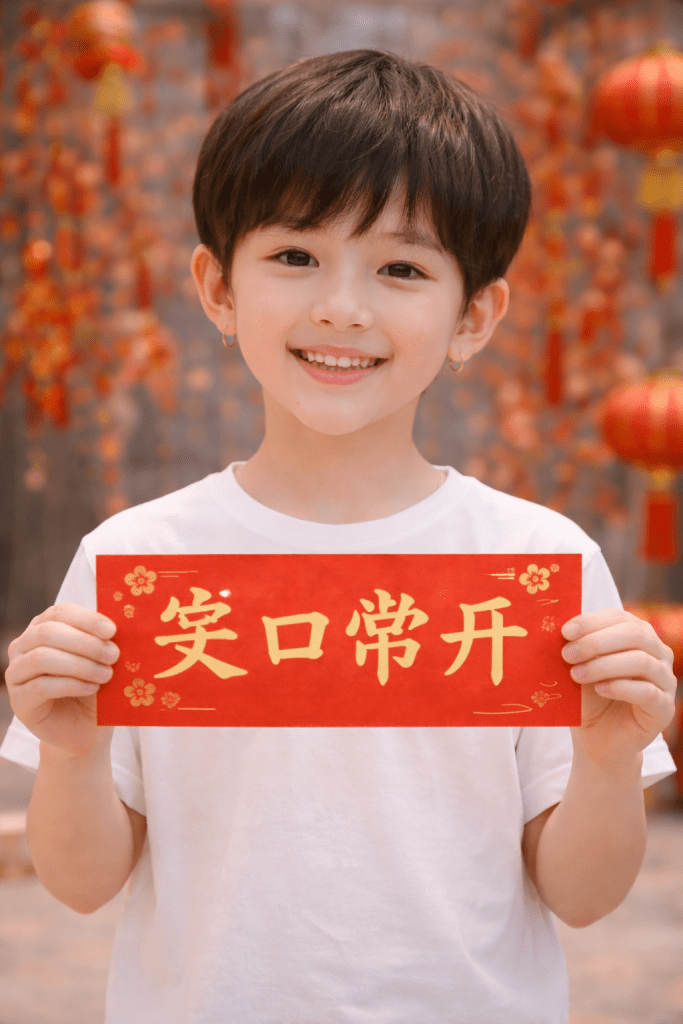
4. 笑口常开 — “May Your Smile Always Be Open”
This phrase paints a vivid image: a mouth always open in laughter.
In Chinese culture, joy is often communal. Smiling isn’t only about personal happiness; it reflects relational harmony and emotional resilience. To wish someone 笑口常开 is to wish them a life not crushed by bitterness.
It recognizes that life will not be free from hardship — but it hopes that your spirit remains unclosed.
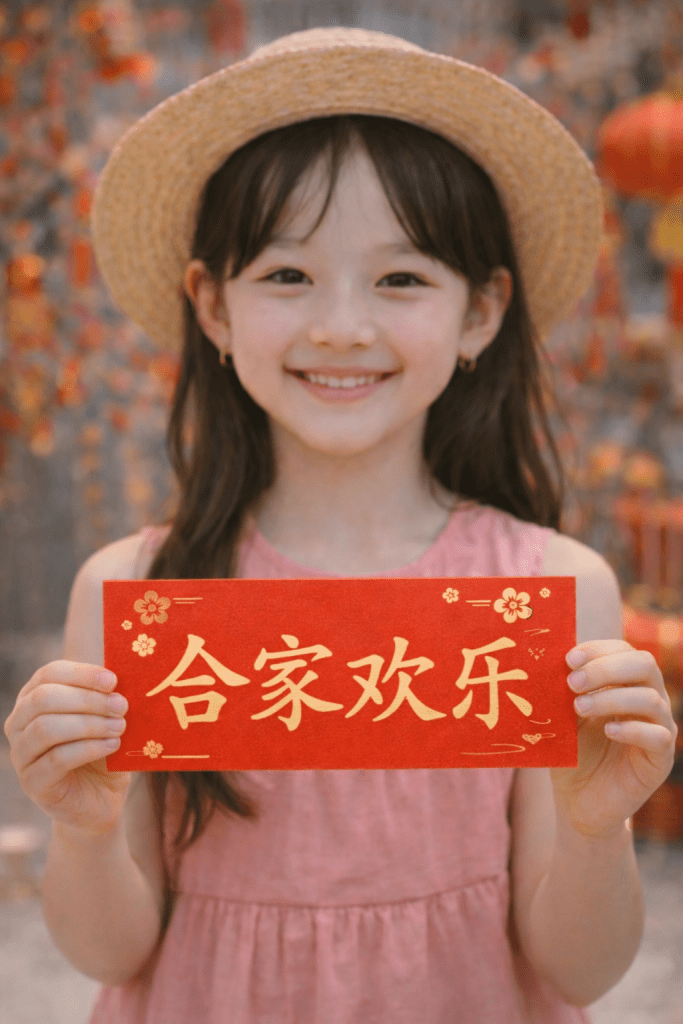
5. 合家欢乐 — “Joy for the Entire Family”
This greeting centers the collective. “合家” means the whole family; “欢乐” means joy.
Lunar New Year is built around reunion (团圆). The home becomes sacred space. Meals stretch for hours. Elders are honored. Children are blessed. In this context, success is incomplete if it is individual.
合家欢乐 reminds us that prosperity without harmony feels hollow. It’s a blessing that no one is missing from the table.
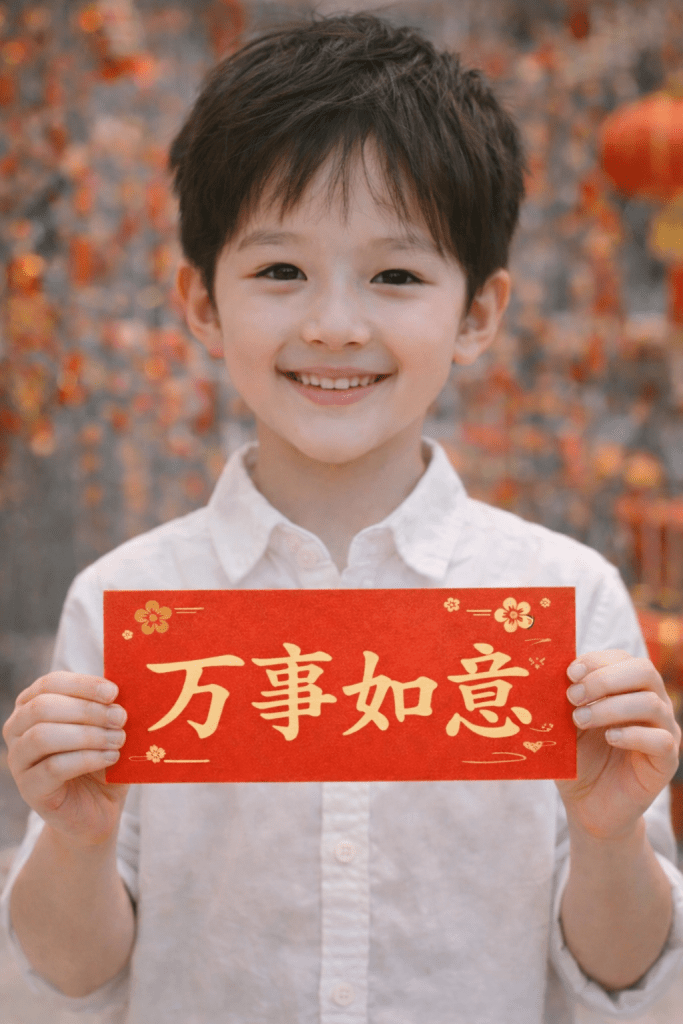
6. 万事如意 — “May Ten Thousand Things Go As You Wish”
“万” literally means ten thousand, but culturally it symbolizes abundance or “everything.” This phrase expresses comprehensive hope — that all matters, large and small, unfold according to your heart’s desire.
Yet embedded in this wish is humility. Life rarely bends entirely to our will. So this greeting functions almost as a counterbalance to unpredictability. It dares to speak abundance in the face of uncertainty.
It is bold optimism.
7. 马到成功 — “Success Upon Arrival”
Originally rooted in military imagery — victory the moment the horse arrives on the battlefield — this phrase evolved into a broader wish for swift success.
Unlike 步步高升, which emphasizes gradual ascent, 马到成功 speaks to decisive breakthroughs. It is the blessing for exam takers, entrepreneurs, job seekers — anyone standing at the threshold of a critical moment.
It acknowledges preparation, but it blesses the breakthrough.
8. 一马当先 — “To Take the Lead”
Literally “one horse at the front,” this phrase honors initiative and courage. In battle, the lead rider sets the pace and direction. In life, being first requires risk.
This greeting is often given to ambitious individuals — those starting ventures, pursuing new paths, or stepping into leadership. It celebrates boldness, not just achievement.
It says: may you have the courage to go first.
9. 龙马精神 — “The Spirit of the Dragon and Horse”
Perhaps the most poetic of the nine, this phrase combines two powerful symbols. The dragon represents strength, authority, and auspicious power. The horse symbolizes endurance, movement, and vitality.
Together, 龙马精神 blesses someone with energetic resilience — strength that is not just explosive, but sustained. It’s often spoken to elders or professionals as a wish for health and enduring vigor.
In a deeper sense, it honors inner stamina — the kind that carries a person through seasons of challenge without losing momentum.
What These Greetings Reveal About Us
Taken together, these nine phrases map out a worldview.
They value progress, but also peace.
They celebrate ambition, but root it in family.
They hope for success, but prize resilience.
They desire abundance, yet understand uncertainty.
Lunar New Year greetings are not random well-wishes. They are distilled cultural theology — statements about what makes a life meaningful.
As we exchange these words this year, perhaps we can pause and receive them more intentionally. Not as clichés. Not as autopilot blessings.
But as layered hopes spoken over a year still unfolding.
新年快乐.
May your steps rise steadily.
May peace guard your days.
May your smile remain open.
May your family know joy.
May what you pursue align with purpose.
May your breakthroughs be timely.
May you have courage to lead.
And may your spirit remain strong — like the dragon and the horse — long after the lanterns dim.
 All about Lina Lifestyle