One year ago, I was sitting in A&E with a really angry-looking red eye, trying not to spiral.
If you’ve ever been in A&E, you’ll know the feeling. The harsh lighting, the waiting, the way time stretches. You’re surrounded by people, but somehow you feel very alone. I remember feeling scared — not just about my eye, but about how quickly everything felt out of my control.
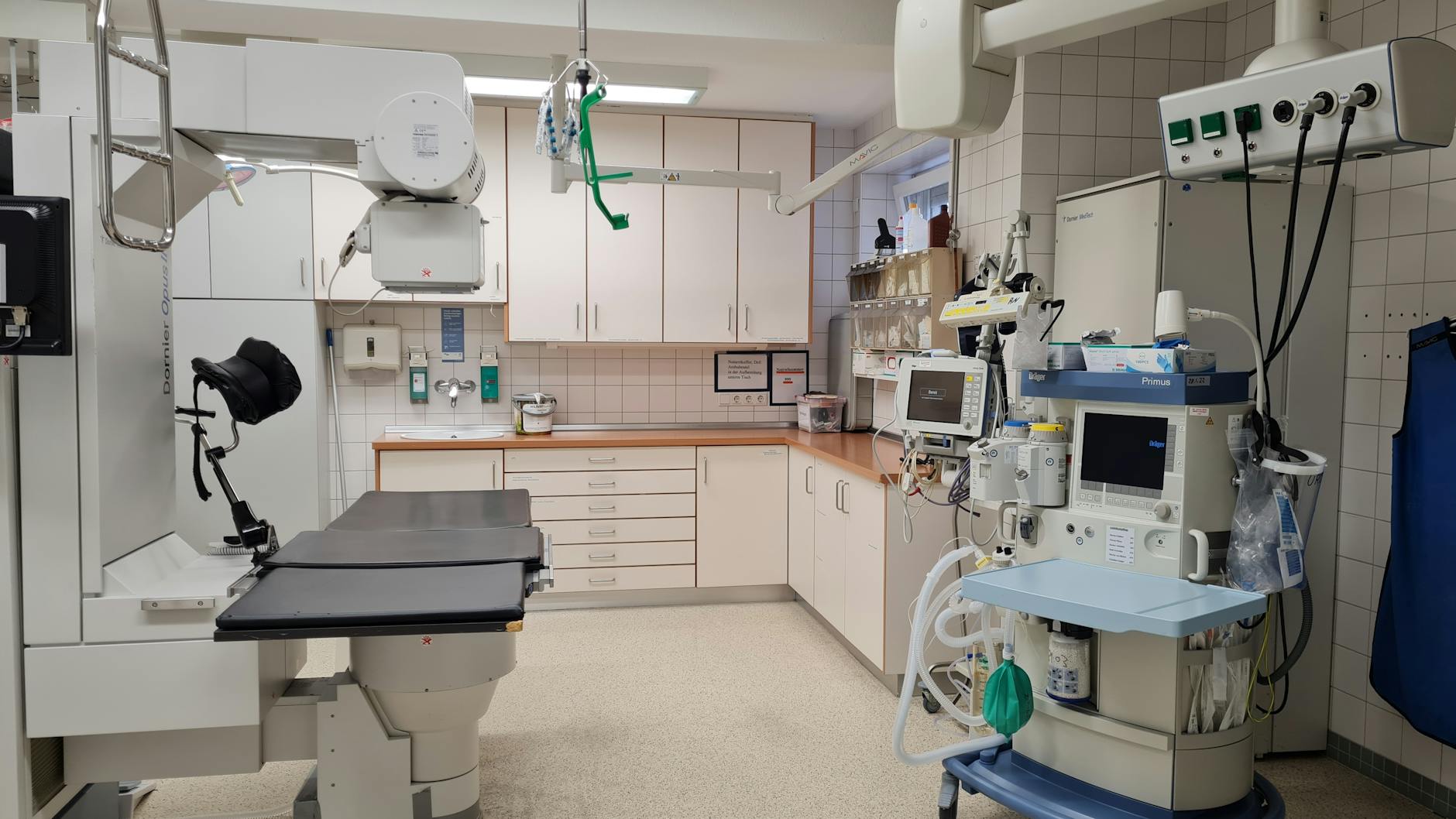
And weirdly, or maybe not weirdly at all, that’s when I felt closer to God than I had in a long time.
Sitting There With Nothing But Trust
I didn’t say any big, impressive prayers. I didn’t have clarity or confidence. I just sat there, quiet, aware of how small I felt — and how much I needed help.
There was a sense of being held, even in the uncertainty. Like I didn’t need to fix anything or have answers. Just… be honest. Hospitals have a way of cutting through the noise. When you’re forced to wait, faith stops being abstract and starts being very real.
That night stripped things back. I was vulnerable. Open. Aware of how fragile life actually is.
Fast Forward to Now
A year later, my life looks nothing like that moment.
I’m healthy. Busy. Making plans. Getting on with things. And honestly, I’m grateful for that. This version of life is easier in a lot of ways.
But here’s the contrast I keep noticing: I don’t feel that same closeness to God all the time.
Not because God has gone anywhere — but because I’ve filled my life back up. Noise, distractions, confidence, self-reliance. When things are going well, it’s easy to stop checking in. Easy to forget how dependent I actually am.
What That Night Still Whispers to Me
I don’t believe fear or illness are things to chase. I wouldn’t want to relive that night. But I also don’t want to forget what it showed me.
It showed me that:
- Vulnerability can open doors we usually keep shut
- God doesn’t need polished words — just honesty
- Closeness isn’t about crisis, it’s about attention
The challenge now is learning how to bring that same openness into normal life. Into ordinary days. Into moments when I feel “fine” and therefore less aware of my need for grace.
Living With the Contrast
Maybe the goal isn’t to recreate intense spiritual moments, but to let them quietly shape us. To remember without romanticising. To let past vulnerability soften how we live now.
One year ago, I was scared and sitting still in a hospital waiting room.
Today, I’m okay — and learning how to be still again, on purpose.
Both versions of me are real. And God was present in both.
Sometimes I catch myself missing that version of me — not the fear, but the clarity. The way everything unnecessary fell away. Now, I have to work harder to notice God in the ordinary: in routine days, small prayers, half-attention moments. It’s less dramatic, less intense, but maybe that’s the point. Faith now feels quieter, more like a slow decision than an emotional surge — choosing to remember what I already know, even when life doesn’t force me to.
I’m genuinely grateful for where I am now, but I’m also aware of how easily gratitude can slide into complacency. When nothing feels urgent, I forget to pause. I thank God in passing instead of leaning in. Comfort can dull attentiveness if I’m not careful. I don’t want ease to make me distant — I want it to make me thankful and awake, aware that grace didn’t stop being necessary just because life got calmer.
 All about Lina Lifestyle