(article by chat GPT)
Art is a reflection of the cultural, social, and philosophical landscape of its time. Throughout history, artistic movements have emerged, each with its own unique characteristics and influences. Among these movements, Art Nouveau, Modernism, Postmodernism, and Contemporary art stand out as significant milestones, each marking a distinct shift in artistic expression and ideology.
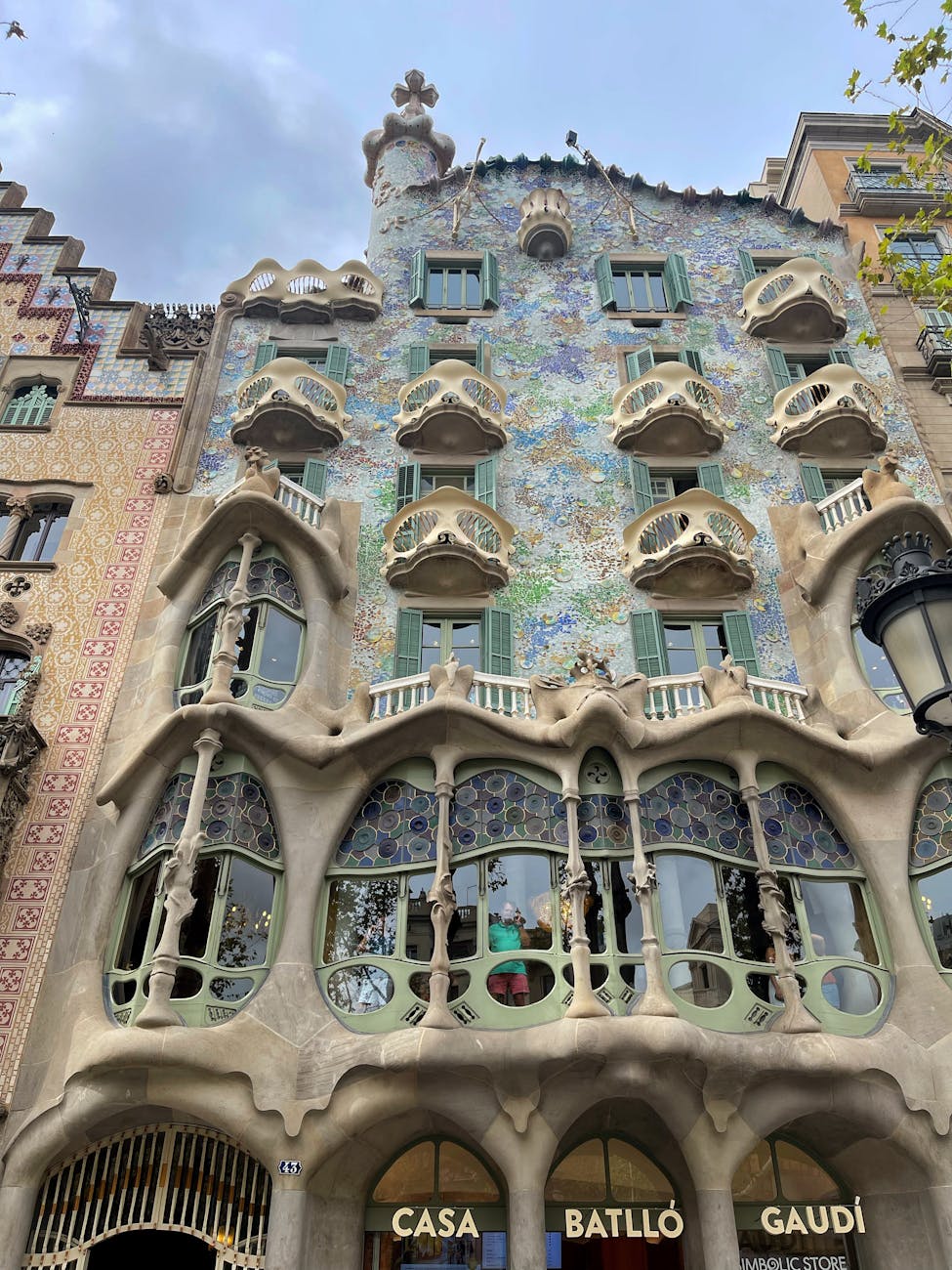
Art Nouveau: Embracing Nature and Ornamentation
Art Nouveau, originating in the late 19th century, was a reaction against the academic art of the time. It sought to break away from the rigid constraints of academic tradition and embrace a new aesthetic characterized by flowing lines, organic forms, and intricate ornamentation. Inspired by nature, Art Nouveau artists celebrated the beauty of the natural world, incorporating motifs such as flowers, plants, and insects into their designs.
One of the defining features of Art Nouveau was its emphasis on total art, or Gesamtkunstwerk, where artists sought to create a unified artistic experience across various mediums, including architecture, interior design, furniture, and decorative arts. This holistic approach to art and design laid the groundwork for the integration of art into everyday life, influencing everything from architecture to household objects.
Modernism: Innovation and Avant-Garde
As the 20th century dawned, a new artistic paradigm emerged with the rise of Modernism. Characterized by a rejection of traditional forms and a pursuit of innovation, Modernism encompassed a wide range of styles and movements, including Cubism, Futurism, and Constructivism. At its core, Modernism was a response to the rapid changes brought about by industrialization, urbanization, and the upheaval of World War I.
Modernist artists sought to capture the dynamism and complexity of modern life through fragmented forms, bold colors, and experimentation with perspective. They embraced new technologies and materials, pushing the boundaries of artistic expression and challenging conventional notions of beauty and representation.
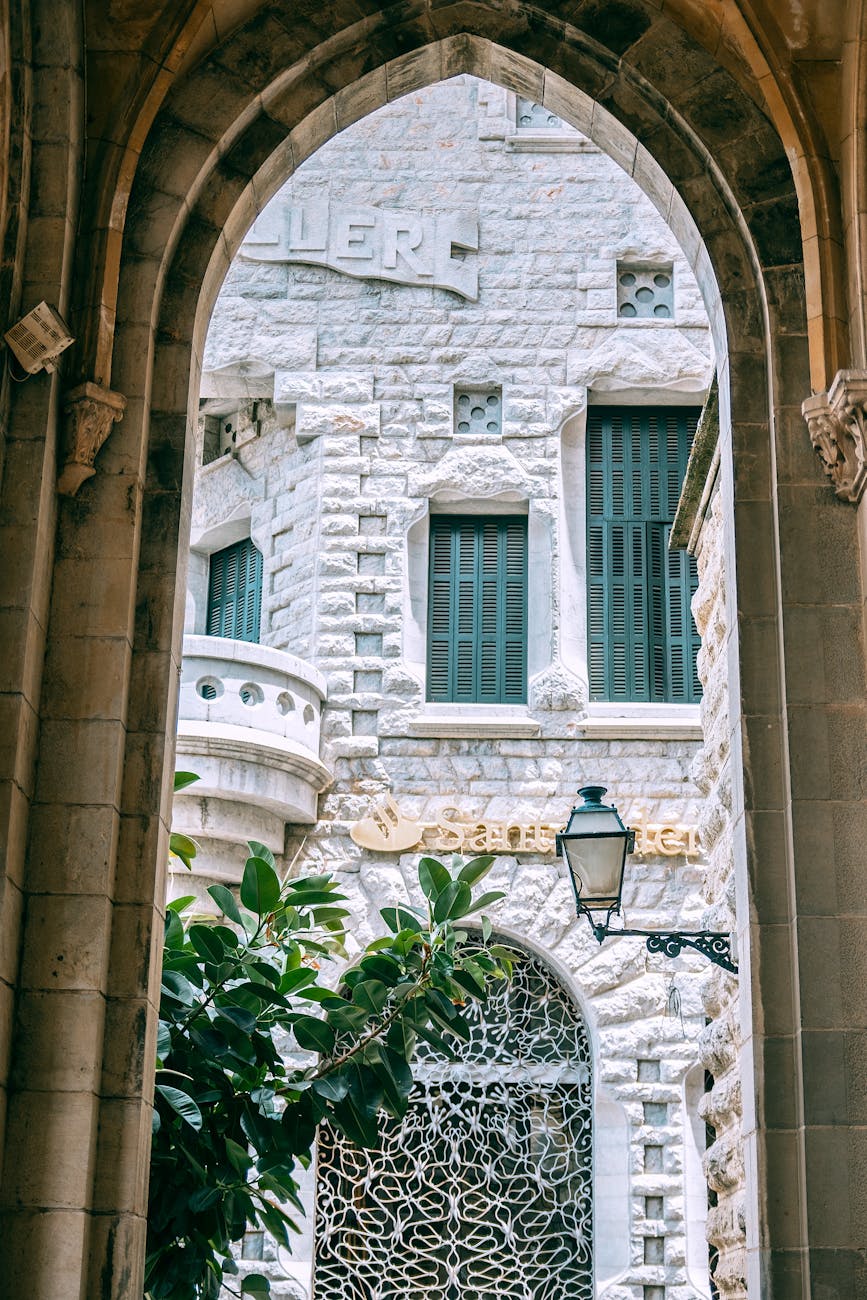
Postmodernism: Deconstruction and Pluralism
In the latter half of the 20th century, the art world witnessed the emergence of Postmodernism, a movement characterized by its skepticism of grand narratives and rejection of absolute truths. Postmodern artists questioned the authority of traditional artistic hierarchies and challenged the notion of originality and authenticity.
Central to Postmodernism was the concept of deconstruction, which involved breaking down established norms and conventions to reveal underlying power structures and cultural assumptions. Artists embraced irony, pastiche, and appropriation, borrowing freely from diverse sources and blurring the boundaries between high and low culture.
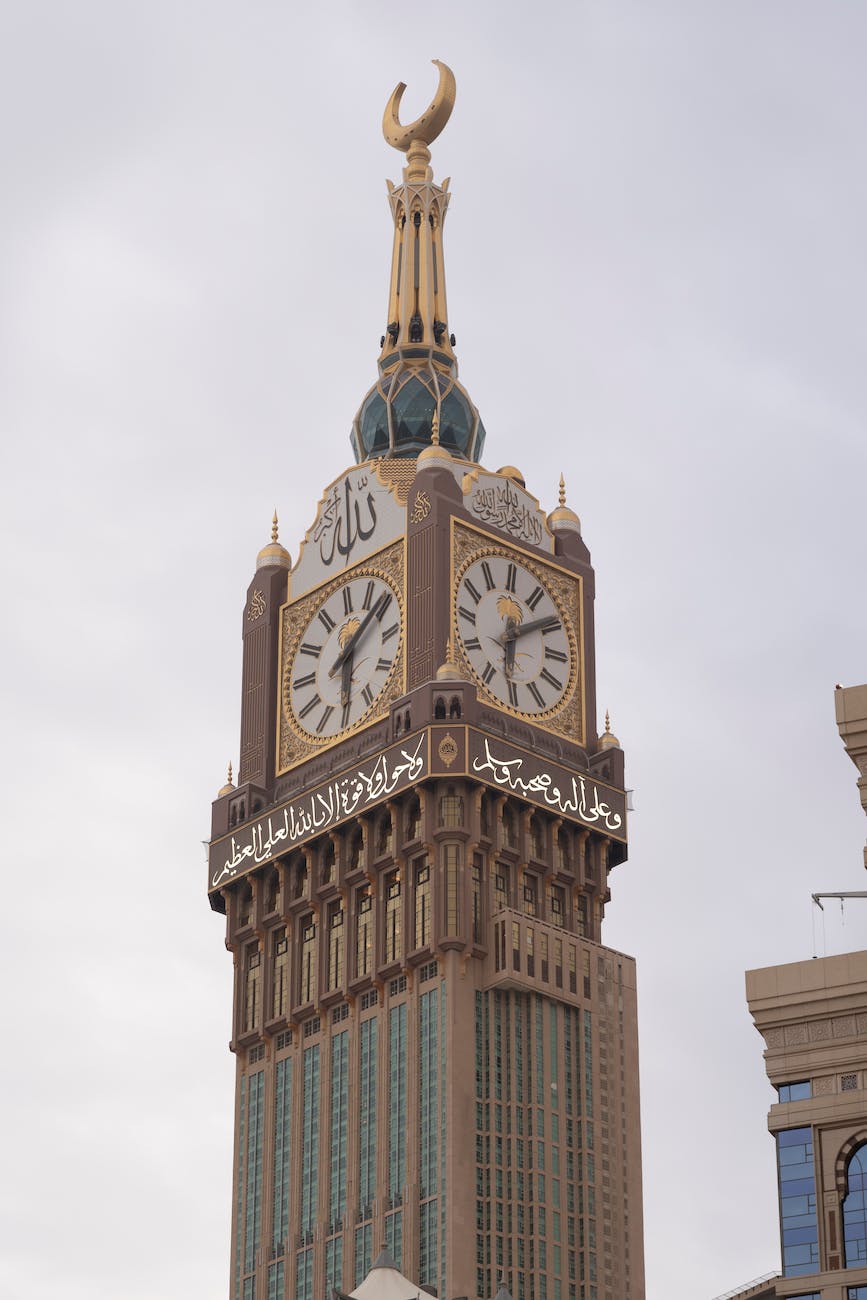
Contemporary Art: Diversity and Globalization
As we enter the 21st century, the landscape of art continues to evolve, shaped by globalization, technological advancements, and the interconnectedness of our world. Contemporary art encompasses a diverse range of practices, from traditional painting and sculpture to new media, performance art, and conceptual installations.
One of the defining characteristics of contemporary art is its embrace of diversity and inclusivity, reflecting the complex realities of our globalized society. Artists draw inspiration from a myriad of sources, incorporating elements of cultural hybridity, identity politics, and social activism into their work. The boundaries between art and life continue to blur, as artists explore new modes of expression and engage with pressing social, political, and environmental issues.
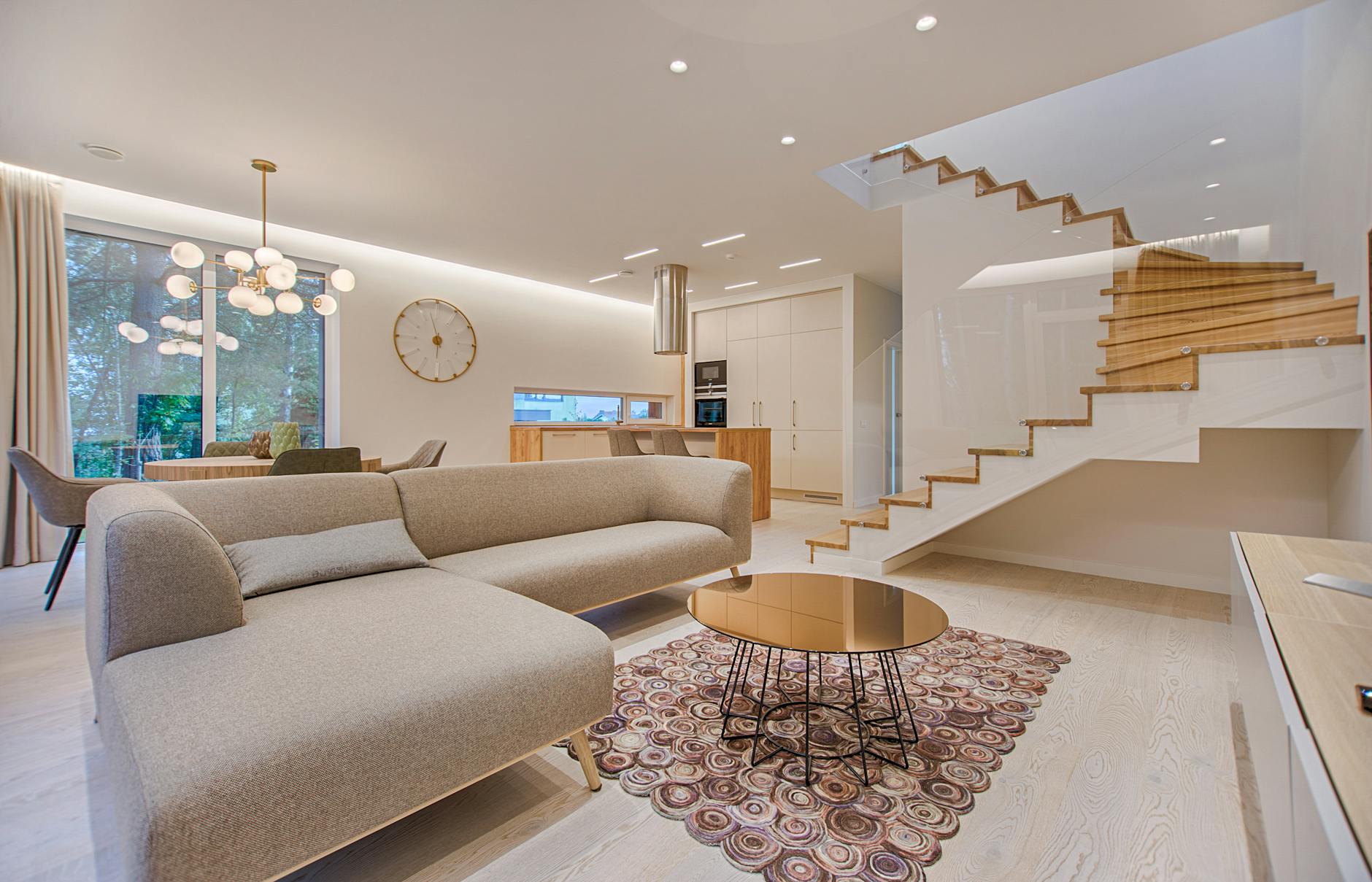
In conclusion, the evolution of art from Art Nouveau to Contemporary reflects the changing values, beliefs, and aspirations of society. Each movement represents a response to the challenges and opportunities of its time, leaving an indelible mark on the trajectory of artistic expression. As we look to the future, one thing remains certain: art will continue to push boundaries, provoke thought, and inspire dialogue, serving as a mirror to our ever-changing world.
 All about Lina Lifestyle