(article by Chat GPT)
Gothic architecture is an architectural style that emerged in the late Middle Ages, primarily in Europe, during the 12th century and continued into the 16th century. It originated in France with the construction of the Basilica of Saint-Denis, built by Abbot Suger, and then spread throughout Europe.
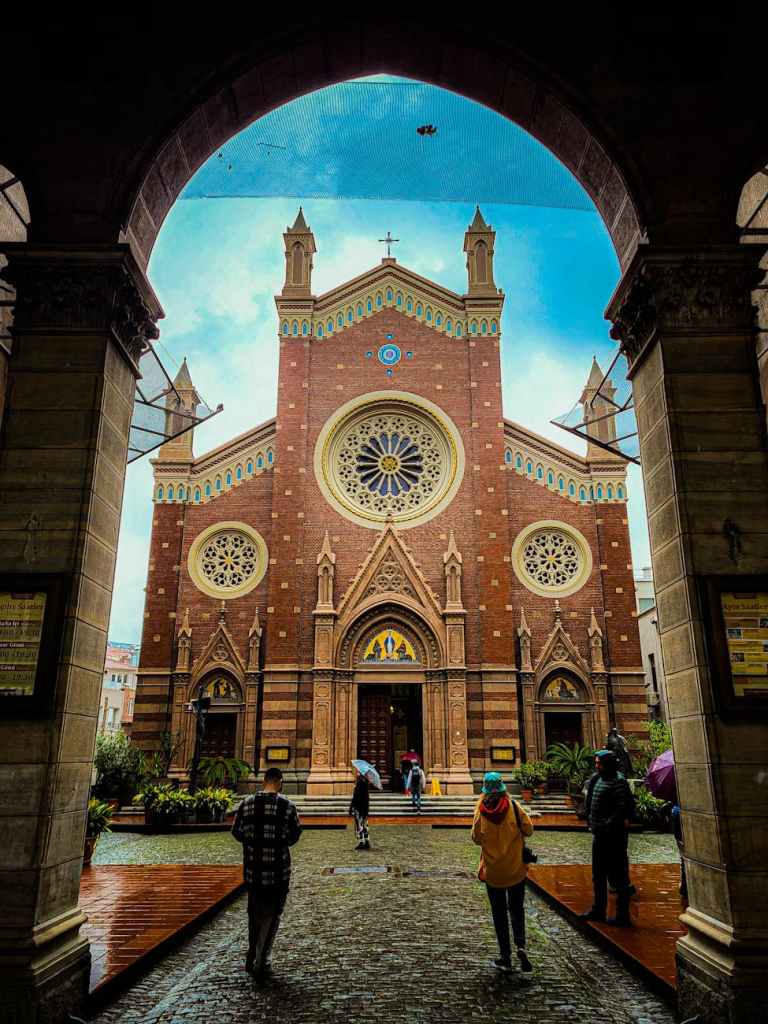
Some key characteristics of Gothic architecture include:
- Pointed arches: Instead of rounded arches typical of Romanesque architecture, Gothic arches are pointed, allowing for greater height and lightness in the structures.
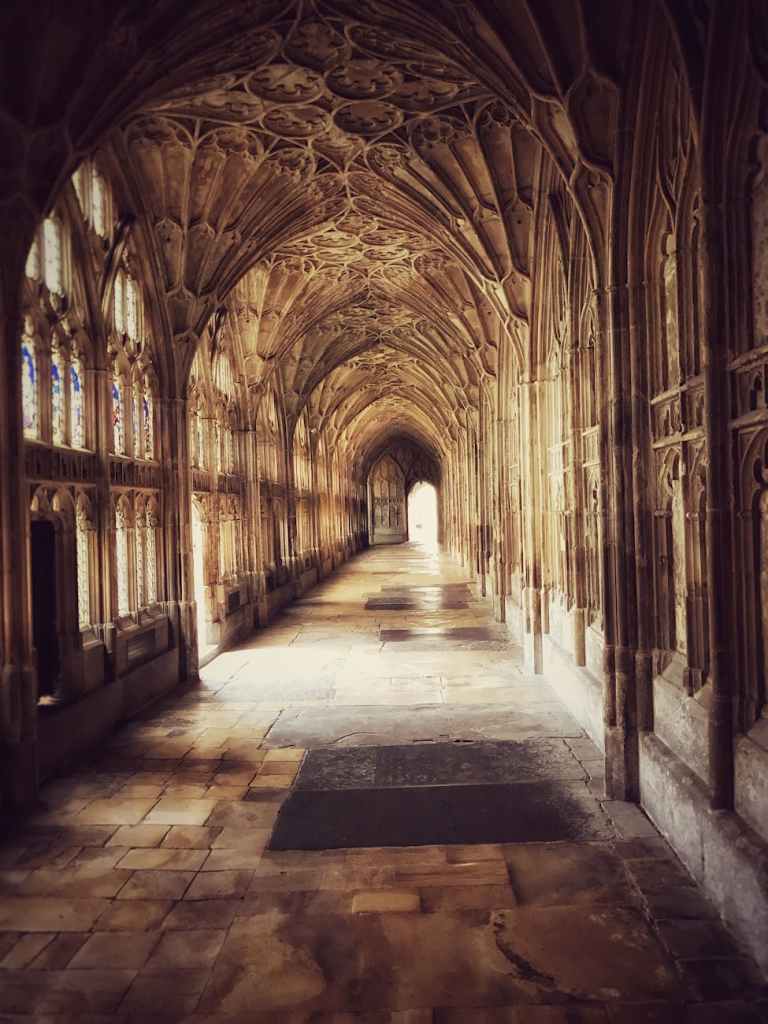
- Ribbed vaults: These are a type of ceiling construction where diagonal arches (ribs) intersect with horizontal ones, creating a framework to support the roof and distribute weight more effectively.
- Flying buttresses: External supports that transfer the thrust of the vaults outward, allowing for thinner walls and larger windows. This innovation facilitated the creation of vast, light-filled interiors.
- Gargoyles and grotesques: Elaborate stone carvings often depicting mythical creatures, used both decoratively and functionally to channel rainwater away from the building.
- Rose windows: Large circular windows with intricate tracery, often found on the facades of Gothic cathedrals, allowing for the diffusion of light into the interior.
- Verticality: Gothic architecture emphasized height, with tall, slender columns and soaring spires aiming to draw the viewer’s gaze upwards, symbolizing a spiritual aspiration towards heaven.
Gothic architecture is most commonly associated with cathedrals and churches, but it also influenced the design of castles, palaces, universities, and civic buildings throughout Europe. It represented a departure from the heavy, fortress-like structures of the preceding Romanesque style, emphasizing light, space, and a sense of upward movement.
 All about Lina Lifestyle